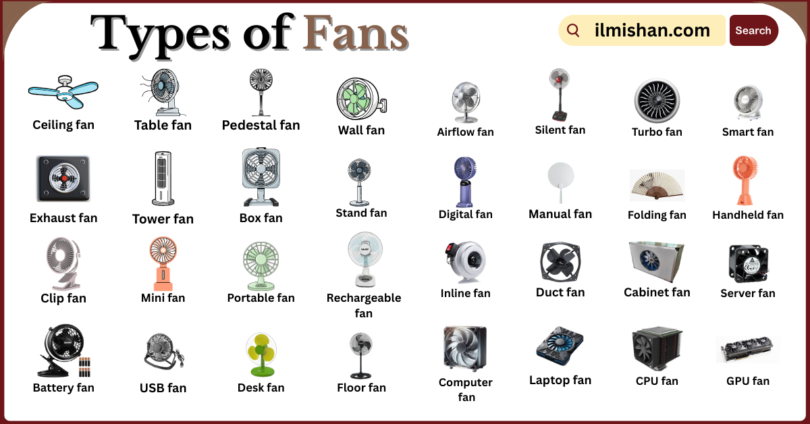

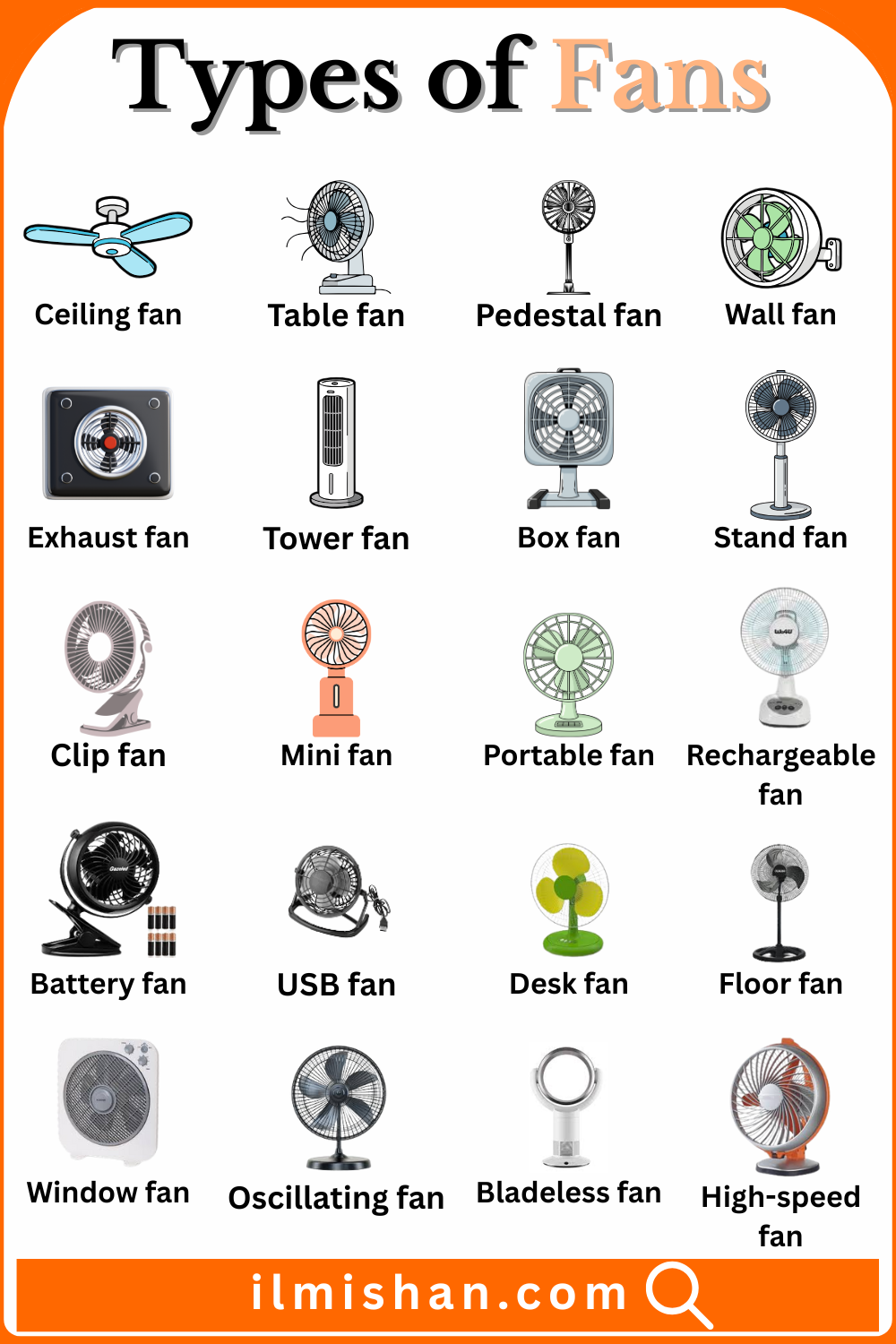
List of Fans with Names in English
- Ceiling fan
- Table fan
- Pedestal fan
- Wall fan
- Exhaust fan
- Tower fan
- Box fan
- Stand fan
- Clip fan
- Mini fan
- Portable fan
- Rechargeable fan
- Battery fan
- USB fan
- Desk fan
- Floor fan
- Window fan
- Oscillating fan
- Bladeless fan
- High-speed fan
20 Types of Fans with Names with their Pictures
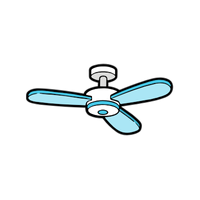
- Ceiling fan
A fan fixed to the ceiling that circulates air across a room. It helps cool spaces evenly, saves energy, and is commonly used in homes and offices.
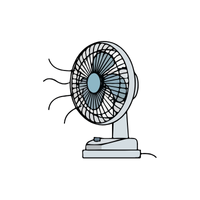
- Table fan
A small fan placed on tables or desks. It provides direct airflow, is easy to move, and is suitable for personal cooling in small spaces.
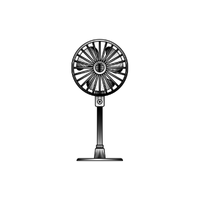
- Pedestal fan
A tall, adjustable fan mounted on a stand. It offers strong airflow, height adjustment, and wide coverage for medium to large rooms.
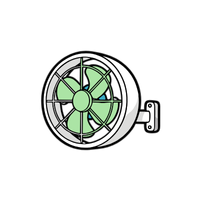
- Wall fan
A fan mounted on a wall to save floor space. It provides powerful airflow and is ideal for rooms, shops, and areas needing elevated air circulation.
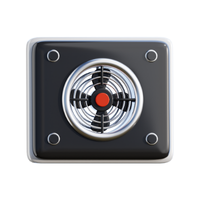
- Exhaust fan
A fan designed to remove hot air, smoke, or odors. It improves ventilation in kitchens, bathrooms, and industrial spaces by pushing air outside.
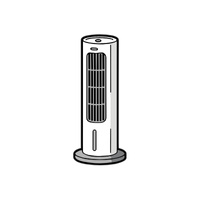
- Tower fan
A slim, vertical fan with modern design. It provides steady airflow, occupies little space, and often includes multiple speed and oscillation options.
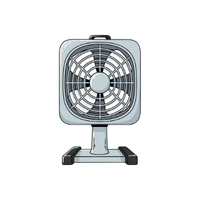
- Box fan
A square-shaped fan fitted inside a box frame. It delivers strong airflow and is commonly placed in windows or on floors for cooling.
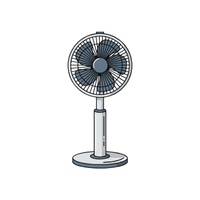
- Stand fan
A free-standing fan with adjustable height. It offers flexible placement and wide air circulation for homes, offices, and shared spaces.
- Clip fan
A small fan with a strong clip base. It can be attached to tables, beds, or shelves and provides focused airflow in limited areas.
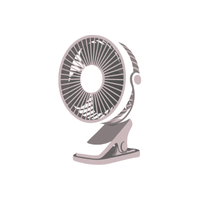
- Mini fan
A compact fan designed for personal use. It is lightweight, easy to carry, and suitable for travel or close-range cooling.

- Portable fan
A lightweight fan designed for easy movement. It can be used in different rooms and is convenient for temporary cooling needs.
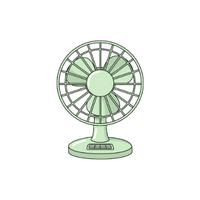
- Rechargeable fan
A fan with a built-in rechargeable battery. It works without direct power supply and is useful during power outages or outdoor use.
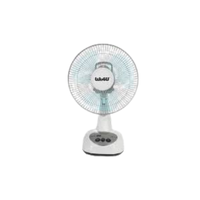
- Battery fan
A fan powered by replaceable batteries. It provides basic airflow and is suitable for emergencies or locations without electricity.
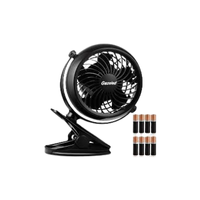
- USB fan
A small fan powered through a USB connection. It is commonly used with computers, power banks, and laptops for personal cooling.
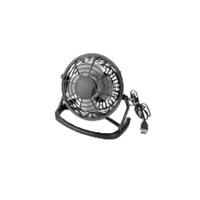
- Desk fan
A compact fan designed for desks and workstations. It provides quiet, focused airflow to keep users comfortable while working.
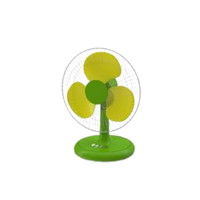
- Floor fan
A large fan placed directly on the floor. It produces strong airflow and is suitable for cooling large rooms or open spaces.
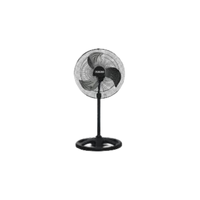
- Window fan
A fan designed to fit into windows. It helps bring fresh air inside or push warm air outside, improving ventilation.
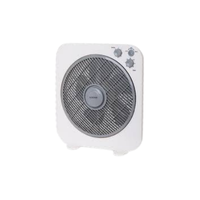
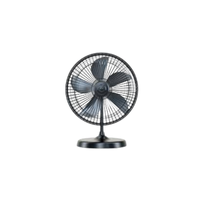
- Oscillating fan
A fan that moves side to side while running. It spreads airflow evenly across a room for better cooling coverage.
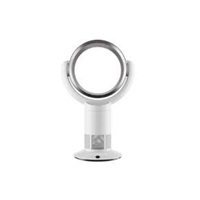
- Bladeless fan
A modern fan that moves air without visible blades. It is safer, quieter, and provides smooth, continuous airflow.
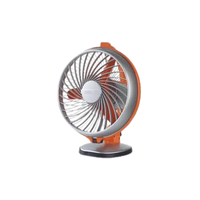
- High-speed fan
A powerful fan designed to move air quickly. It delivers strong airflow and is used in large rooms, halls, and commercial areas.
20 Types of Fans with Names with their Pictures
Fans with Names list
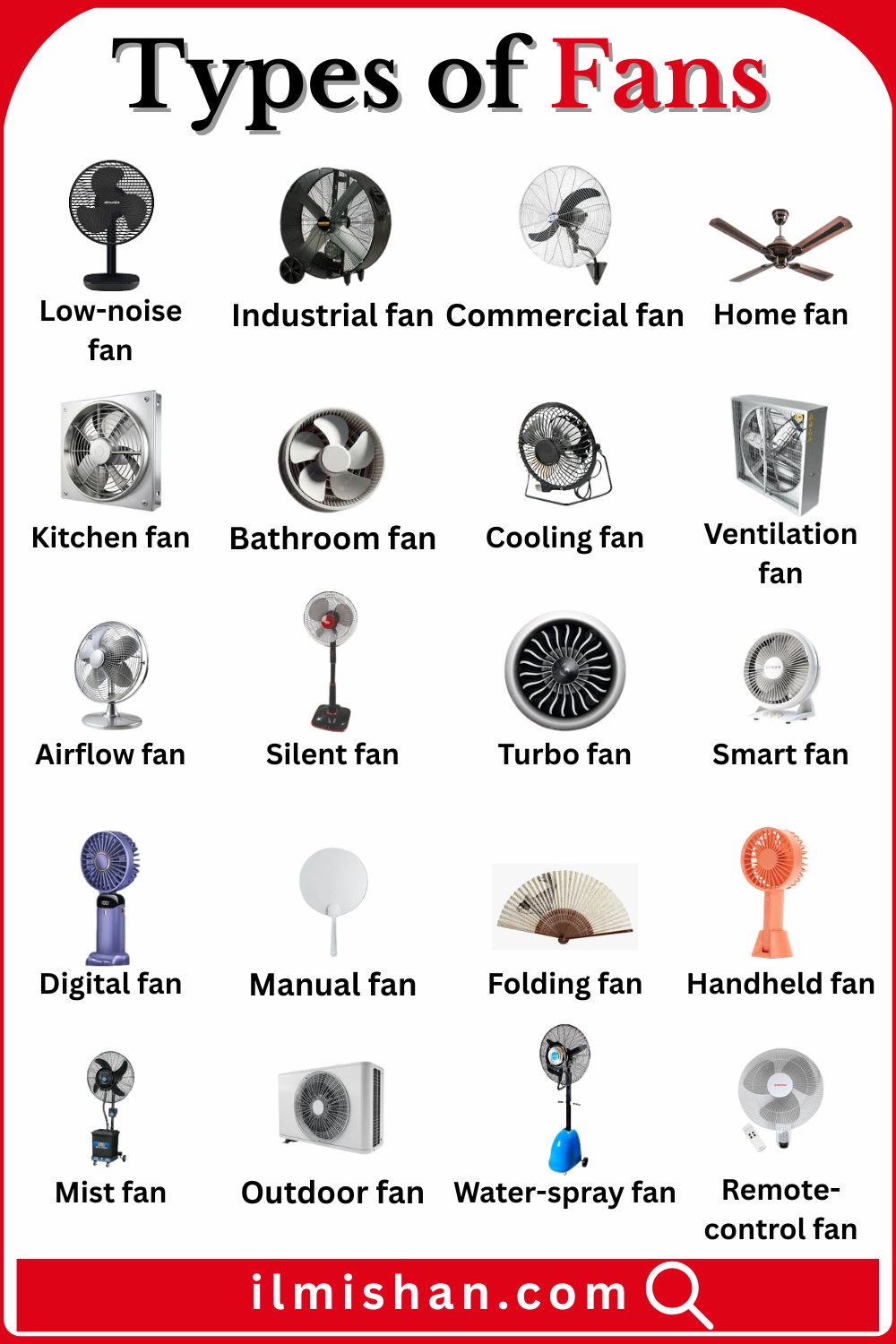
- Low-noise fan
- Industrial fan
- Commercial fan
- Home fan
- Kitchen fan
- Bathroom fan
- Cooling fan
- Ventilation fan
- Airflow fan
- Silent fan
- Turbo fan
- Smart fan
- Remote-control fan
- Digital fan
- Manual fan
- Folding fan
- Handheld fan
- Mist fan
- Water-spray fan
- Outdoor fan
Names of Fans with Types and Pictures
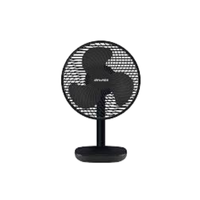
- Low-noise Fan
A fan designed to operate quietly with reduced motor sound and vibration, suitable for bedrooms, offices, libraries, or any space where peaceful and comfortable airflow is required.
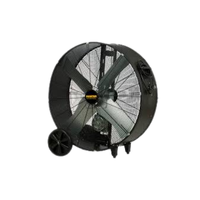
- Industrial Fan
A heavy-duty fan used in factories, warehouses, and large workspaces to provide strong airflow, remove heat, control dust, and improve ventilation efficiently for extended hours.
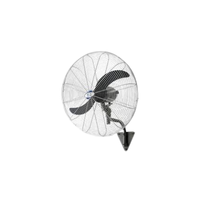
- Commercial Fan
A fan used in offices, shops, restaurants, and halls to provide steady airflow, maintain comfort, and operate reliably for long hours without losing performance.
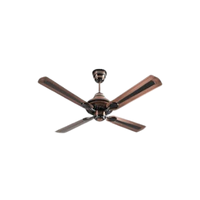
- Home Fan
A fan designed for household use that circulates air, reduces indoor heat, and creates a comfortable environment in bedrooms, living rooms, and other indoor spaces.
- Kitchen Fan
A fan installed in kitchens to remove smoke, cooking odors, heat, and grease, keeping the air fresh and ensuring a cleaner, healthier cooking environment.
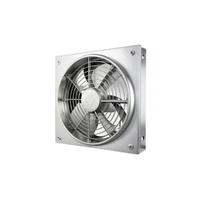
- Bathroom Fan
A fan used in bathrooms to remove moisture, steam, and unpleasant odors, preventing mold growth and maintaining a dry, fresh, and comfortable atmosphere.
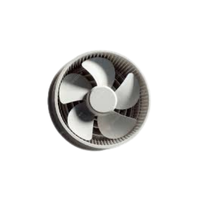
- Cooling Fan
A fan that lowers temperature by moving air across surfaces or people, improving comfort, cooling rooms, or electronic devices efficiently through proper airflow.
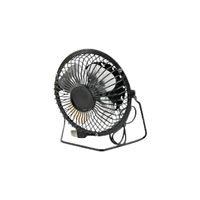
- Ventilation Fan
A fan designed to exchange indoor and outdoor air, removing stale air and bringing fresh air to improve overall air quality and circulation in enclosed spaces.
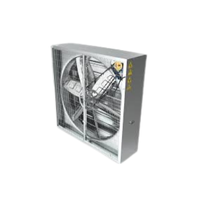
- Airflow Fan
A fan that efficiently circulates air throughout a room or area, reducing stagnant air, balancing temperature, and maintaining steady airflow for a comfortable environment.
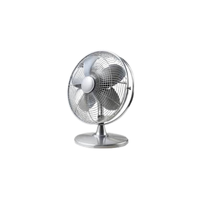
- Silent Fan
A fan built to operate with minimal noise while delivering airflow, ideal for bedrooms, offices, or study areas where quiet and comfort are essential.
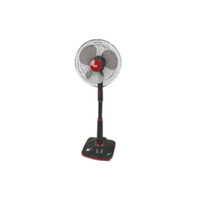
- Turbo Fan
A high-speed fan that produces strong, concentrated airflow for rapid cooling or quick air circulation in homes, offices, or large workspaces.
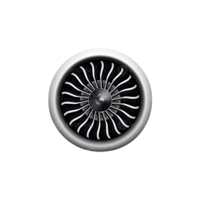
- Smart Fan
A fan equipped with smart technology that allows control through mobile apps, sensors, or voice commands for automated, energy-efficient, and convenient operation.
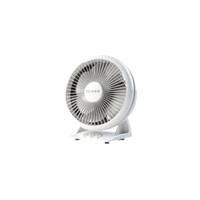
- Remote-control Fan
A fan operated remotely using a controller, allowing adjustments of speed, direction, and settings without manual handling, providing convenience and easy management.
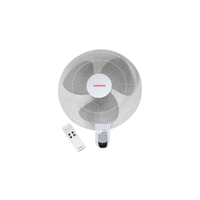
- Digital Fan
A fan with electronic controls and a digital display showing speed, timers, and settings, enabling precise airflow management and user-friendly operation.
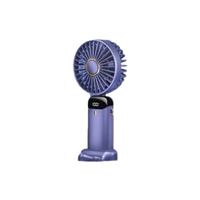
- Manual Fan
A fan operated using physical switches or buttons, requiring direct user input without automation or digital control, suitable for simple and reliable use.
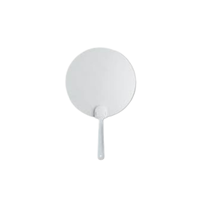
- Folding Fan
A portable fan with a folding design that opens and closes easily, providing personal cooling and convenient portability for travel or outdoor use.
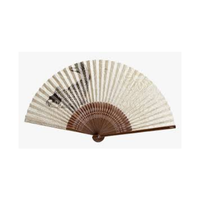
- Handheld Fan
A small, lightweight fan designed to be held in hand, often battery-powered, offering personal cooling for travel, outdoor activities, or close-range use.
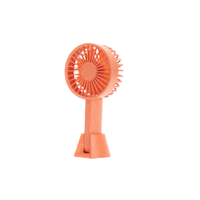
- Mist Fan
A fan that sprays fine water mist along with airflow, reducing temperature and providing cooling comfort in hot and dry environments.
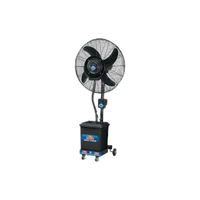
- Water-spray Fan
A fan that combines airflow with water spraying to enhance cooling, ideal for outdoor areas, patios, gardens, and large open spaces.
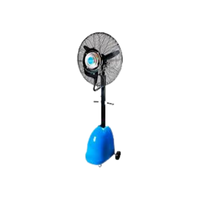
- Outdoor Fan
A durable fan built for outdoor use, capable of withstanding weather conditions while providing airflow and cooling in gardens, patios, terraces, or open-air spaces.
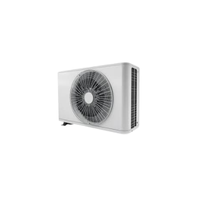
Names of Fans with Types and Pictures
Common Types of Fans Name
- Indoor fan
- Heavy-duty fan
- Energy-saving fan
- Solar fan
- AC fan
- DC fan
- Brushless fan
- Electric fan
- Heat-exhaust fan
- Attic fan
- Roof fan
- Vent fan
- Cooler fan
- Air-circulation fan
- Personal fan
- Travel fan
- Camping fan
- Emergency fan
- Night fan
- Daylight fan
Most Common Types of Fans with Names with images
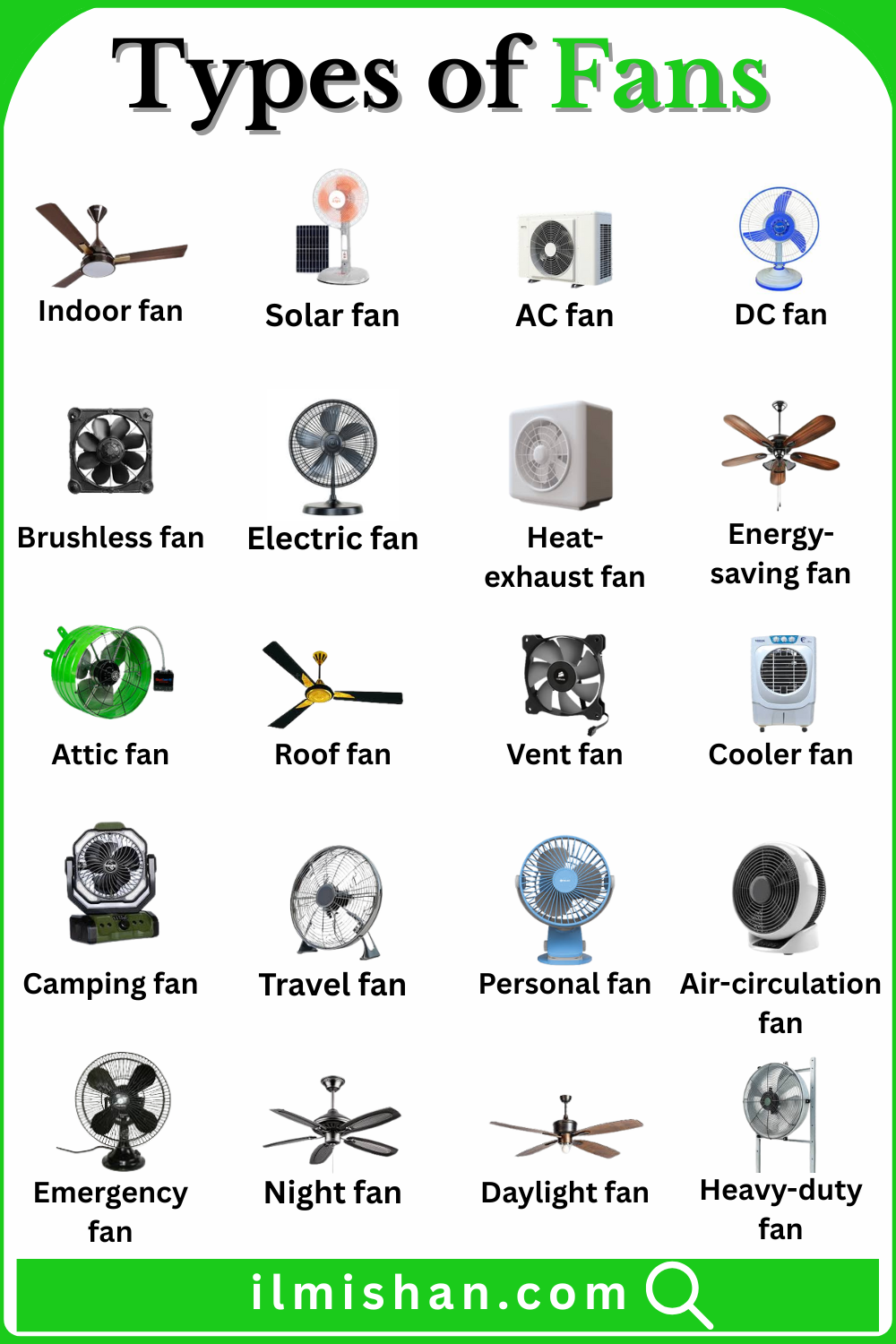
-
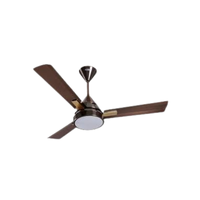
Indoor Fan
A fan designed for use inside homes or buildings that improves air movement, reduces heat, and creates a comfortable environment in bedrooms, offices, and other enclosed indoor spaces.
-
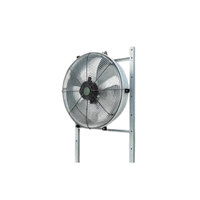
Heavy-duty Fan
A strong and durable fan built for continuous use, capable of producing powerful airflow in factories, workshops, or large areas where regular fans are not sufficient.
-
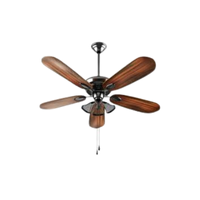
Energy-saving Fan
A fan designed to consume less electricity while providing effective airflow, helping reduce power bills and environmental impact without sacrificing cooling performance.
-
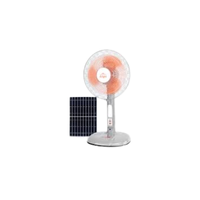
Solar Fan
A fan powered by solar energy that uses sunlight to operate, offering an eco-friendly cooling solution, especially useful in areas with limited or unreliable electricity supply.
-
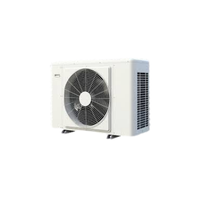
AC Fan
A fan that runs on alternating current power, commonly used in homes and offices, providing steady airflow and compatible with standard electrical outlets.
-
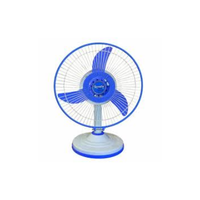
DC Fan
A fan that operates on direct current power, known for energy efficiency, quieter operation, and better speed control compared to traditional AC fans.
-
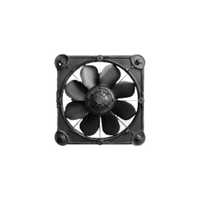
Brushless Fan
A fan that uses a brushless motor, reducing friction and wear, resulting in quieter operation, longer lifespan, and improved energy efficiency.
-
Electric Fan
A fan powered by electricity that moves air using rotating blades, widely used for cooling, ventilation, and improving comfort in residential and commercial environments.
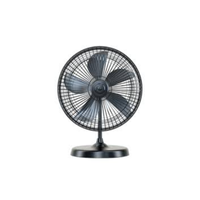
-
Heat-exhaust Fan
A fan designed to remove hot air from enclosed spaces, helping lower indoor temperatures and improve ventilation in kitchens, factories, or rooms with heat buildup.
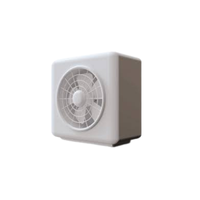
-
Attic Fan
A fan installed in the attic to expel hot air, reduce roof heat, and help keep the living areas below cooler during warm weather.
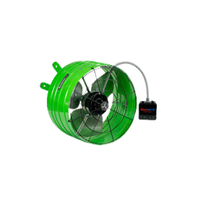
-
Roof Fan
A fan mounted on the roof of a building to remove heat, smoke, or stale air, improving ventilation and air circulation inside the structure.
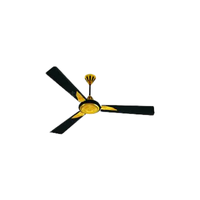
-
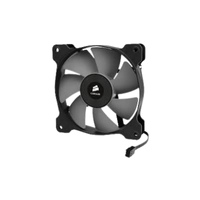
Vent Fan
A fan used to move air in and out of enclosed spaces, helping remove moisture, odors, and stale air while bringing in fresher air.
-
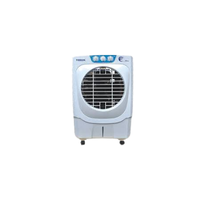
Cooler Fan
A fan used inside air coolers to circulate cooled air effectively, helping distribute lower-temperature air evenly throughout a room or space.
-
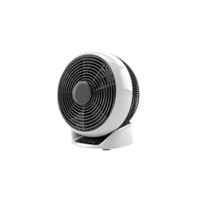
Air-circulation Fan
A fan designed to keep air moving continuously, reducing stagnant air, balancing room temperature, and improving overall indoor air comfort.
-
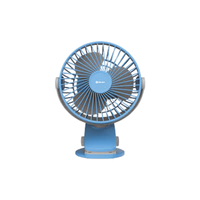
Personal Fan
A small fan made for individual use, providing direct airflow for personal cooling at desks, bedsides, or during close-range activities.
-
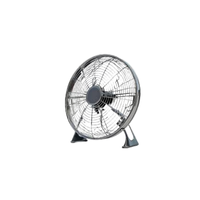
Travel Fan
A compact and lightweight fan designed for easy carrying, suitable for use during trips, hotels, or transport to provide personal cooling anywhere.
-
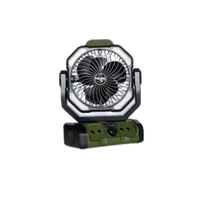
Camping Fan
A portable fan designed for outdoor use, often battery-powered, providing airflow inside tents or campsites for comfort during warm camping conditions.
-
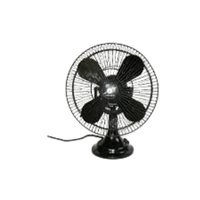
Emergency Fan
A fan designed to operate during power outages, usually battery or rechargeable powered, providing airflow and comfort during emergencies or unexpected situations.
-
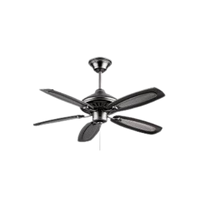
Night Fan
A fan designed for nighttime use, offering quiet operation and gentle airflow to maintain comfort and support restful sleep.
Most Common Types of Fans with Names with images
Explore Fans Types and Names
- Kids fan
- Office fan
- Study fan
- Bedroom fan
- Living-room fan
- Garage fan
- Workshop fan
- Warehouse fan
- Factory fan
- Farm fan
- Poultry fan
- Greenhouse fan
- Cooling-pad fan
- Evaporative fan
- Fresh-air fan
- Intake fan
- Outlet fan
- Cross-flow fan
- Axial fan
- Centrifugal fan
Different Types of fan for home with images
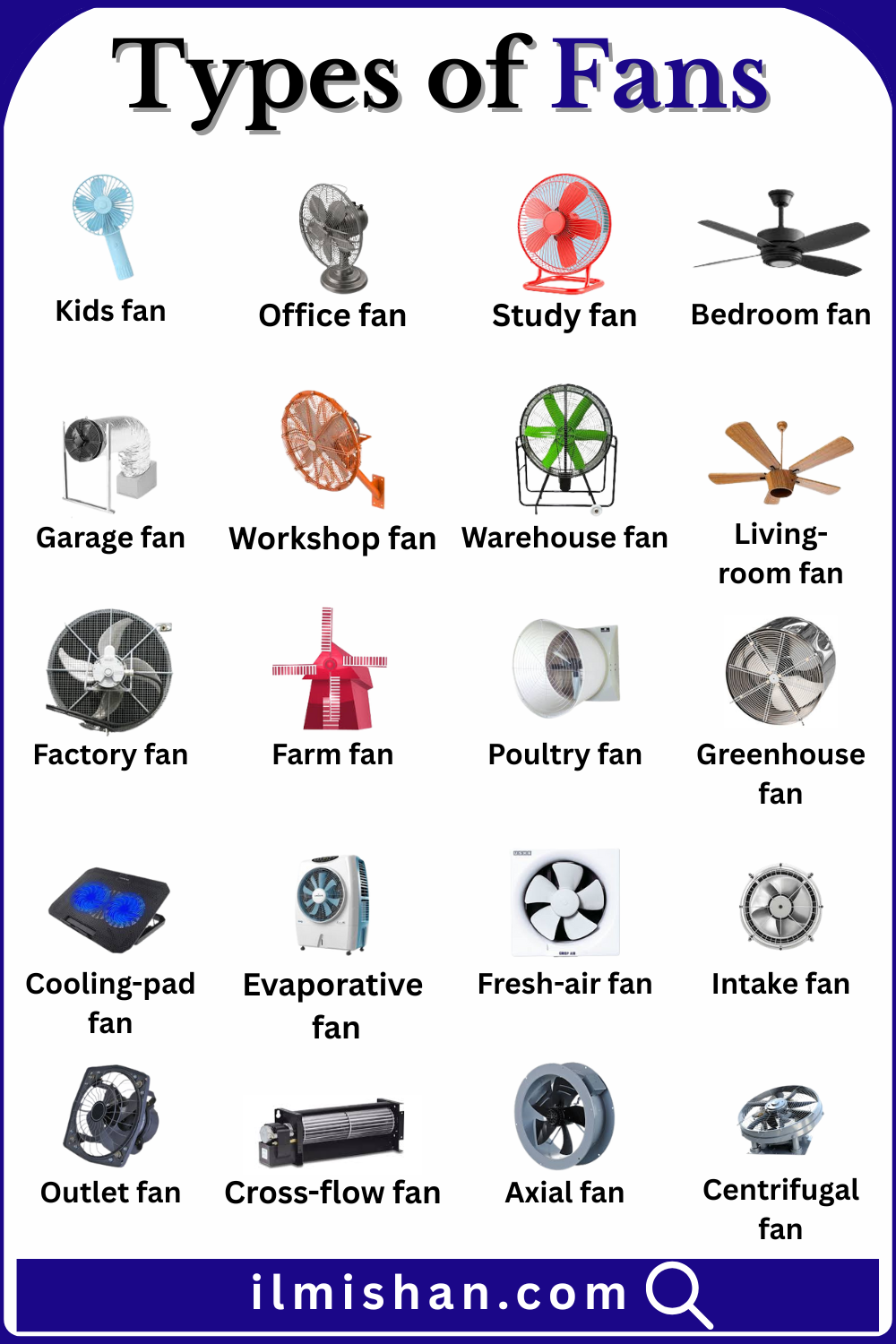
- Kids Fan
A fan designed for children’s rooms with safety features, low noise, and gentle airflow, providing comfortable cooling while preventing accidents or injuries in a child-friendly environment.
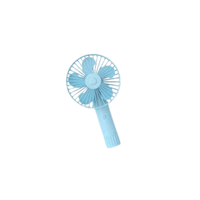
- Office Fan
A fan used in offices to provide steady airflow, reduce heat, improve comfort, and maintain productivity during working hours in enclosed office spaces.
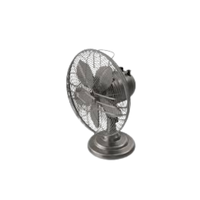
- Study Fan
A quiet fan ideal for study rooms or libraries, providing gentle airflow without distraction, helping maintain focus and a comfortable environment for reading or working.
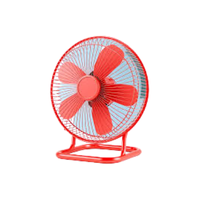
- Bedroom Fan
A fan designed for bedrooms to create a comfortable sleeping environment by circulating air, reducing heat, and operating quietly during nighttime.
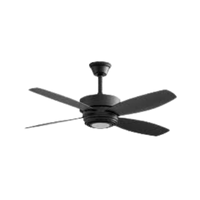
- Living-room Fan
A fan used in living rooms to improve air circulation, reduce indoor heat, and maintain a comfortable environment for family gatherings or relaxation.
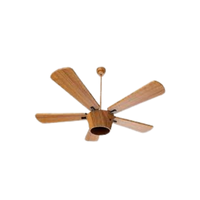
- Garage Fan
A durable fan used in garages to ventilate, remove fumes, reduce heat, and circulate air while working on vehicles, tools, or other garage activities.
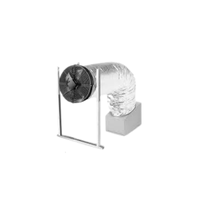
- Workshop Fan
A fan used in workshops to provide strong airflow, improve ventilation, remove dust and fumes, and create a safer and comfortable working environment.
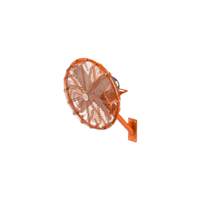
- Warehouse Fan
A heavy-duty fan installed in warehouses to circulate air, remove heat, reduce humidity, and maintain a comfortable environment for workers and stored goods.
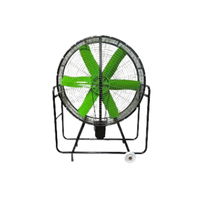
- Factory Fan
A powerful fan used in factories to provide continuous airflow, reduce heat, remove smoke or dust, and maintain proper ventilation for workers and machinery.
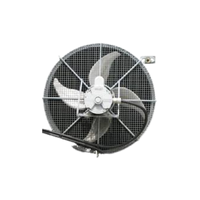
- Farm Fan
A fan used on farms to improve ventilation, control temperature, reduce odors, and maintain airflow in barns, sheds, and other agricultural areas.
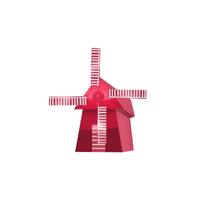
- Poultry Fan
A fan designed for poultry houses to maintain proper air circulation, control temperature, reduce humidity, and ensure healthy living conditions for birds.
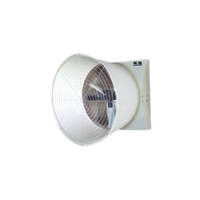
- Greenhouse Fan
A fan installed in greenhouses to improve air circulation, regulate temperature, reduce humidity, and maintain optimal growing conditions for plants.
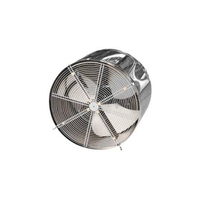
- Cooling-pad Fan
A fan used with cooling pads to circulate cooled air efficiently, enhancing evaporative cooling in rooms, greenhouses, or large open spaces.
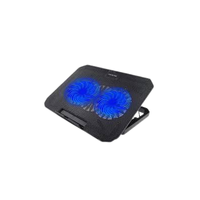
- Evaporative Fan
A fan designed to blow air over water-saturated pads, reducing temperature through evaporation and providing natural cooling in dry and hot environments.
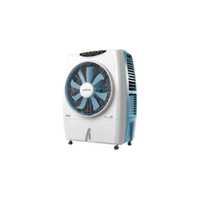
- Fresh-air Fan
A fan that brings in clean outdoor air while removing stale indoor air, improving ventilation and maintaining a healthy, breathable environment.
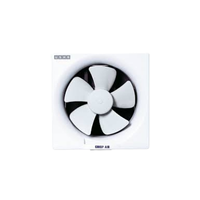
- Intake Fan
A fan that draws fresh air into a building or space, supporting ventilation, cooling, and maintaining air circulation efficiently.
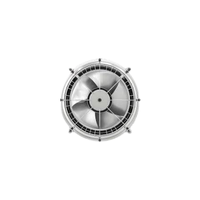
- Outlet Fan
A fan used to expel hot, stale, or humid air from a room or building, improving air quality and ventilation.
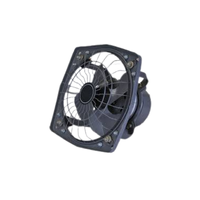
- Cross-flow Fan
A fan with a long, narrow design that produces uniform airflow across its length, suitable for air conditioning, heating units, and ventilation systems.
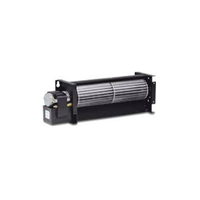
- Axial Fan
A fan that moves air along the axis of the fan blades, providing high airflow efficiently, commonly used in ventilation, cooling, and industrial applications.
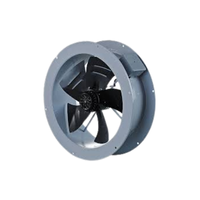
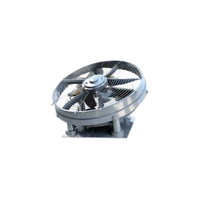
- Centrifugal Fan
A fan that moves air outward using centrifugal force, capable of high pressure and airflow, often used in HVAC systems, industrial applications, and exhaust systems.
Different Types of Fans with Names for home with images
Learn fans and their name in English
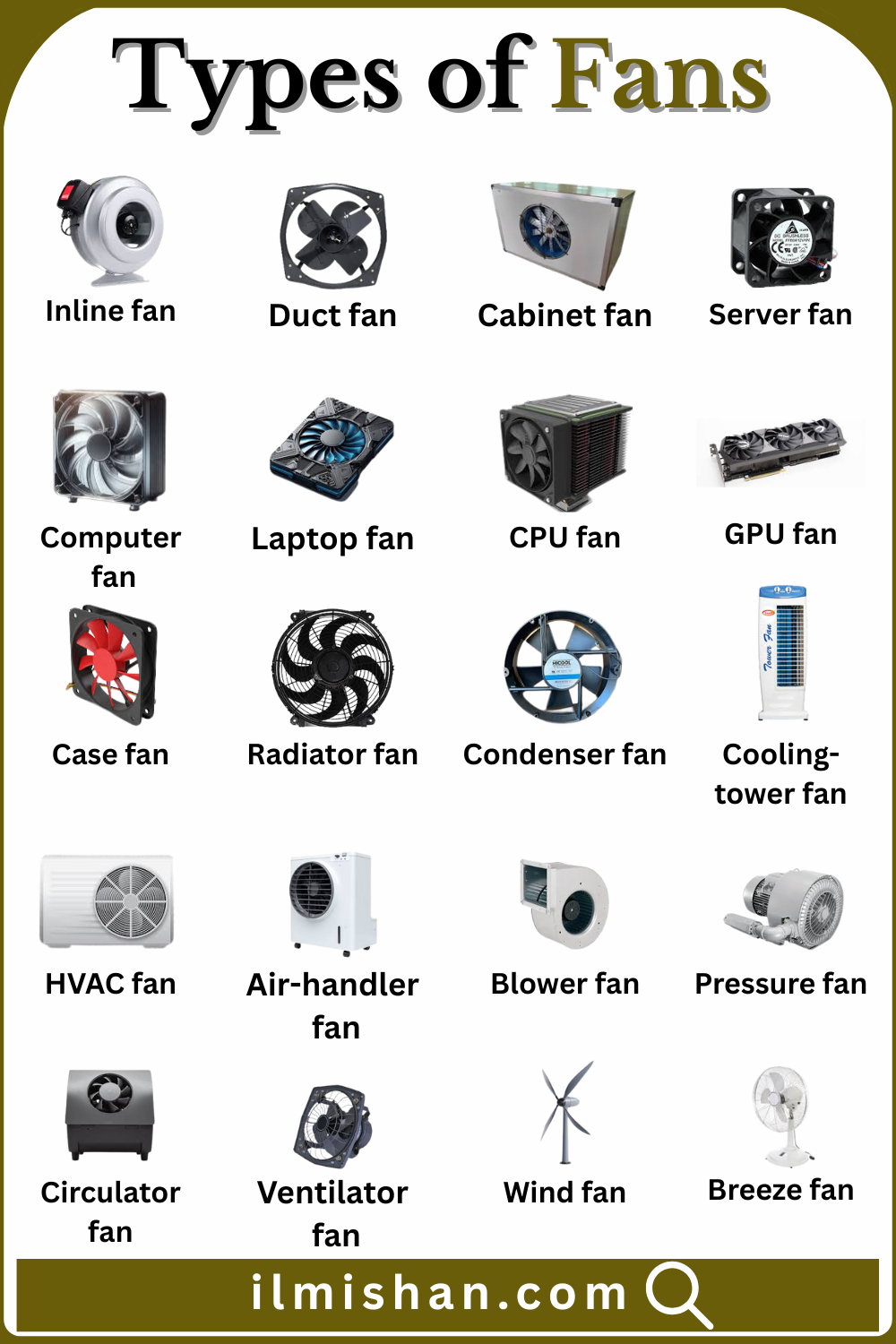
- Inline fan
- Duct fan
- Cabinet fan
- Server fan
- Computer fan
- Laptop fan
- CPU fan
- GPU fan
- Case fan
- Radiator fan
- Condenser fan
- Cooling-tower fan
- HVAC fan
- Air-handler fan
- Blower fan
- Pressure fan
- Circulator fan
- Ventilator fan
- Wind fan
- Breeze fan
Electric Fan with name and Pictures
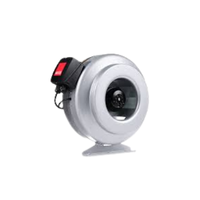
- Inline fan
A fan installed inside ducting to move air through ventilation systems. It improves airflow efficiency in bathrooms, kitchens, and long air ducts.
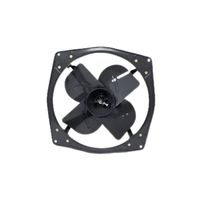
- Duct fan
A fan placed within air ducts to boost air movement. It supports ventilation by pushing or pulling air through heating and cooling systems.
- Cabinet fan
A small fan mounted inside cabinets or enclosures. It removes heat and maintains safe temperatures for electrical and electronic equipment.
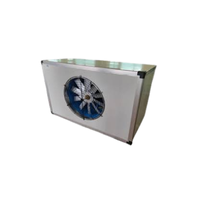
- Server fan
A high-performance fan designed to cool servers. It maintains stable temperatures in data centers by removing excess heat continuously.
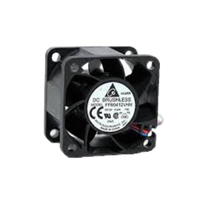
- Computer fan
A general cooling fan used inside computers. It helps circulate air and prevent overheating of internal components.
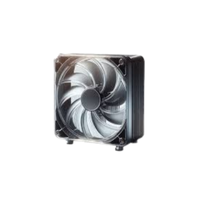
- Laptop fan
A compact fan built into laptops. It cools internal parts by pushing hot air out during operation.
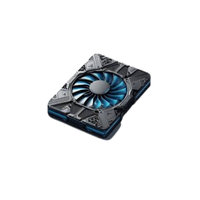
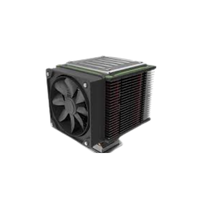
- CPU fan
A fan attached to the computer processor. It removes heat from the CPU to maintain performance and prevent damage.
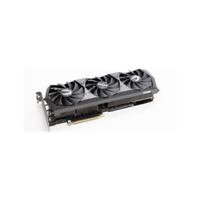
- GPU fan
A cooling fan mounted on graphics cards. It cools the GPU during heavy graphics and gaming tasks.
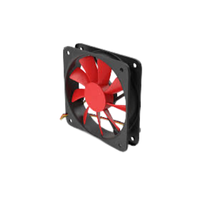
- Case fan
A fan installed in the computer case. It improves airflow by bringing cool air in and pushing hot air out.
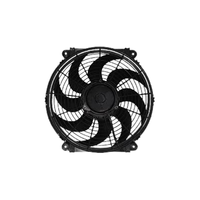
- Radiator fan
A fan used with radiators to improve heat transfer. It helps cool engines, systems, or computer liquid cooling setups.
- Condenser fan
A fan used in air conditioners and refrigeration units. It removes heat from the condenser coil to support efficient cooling.
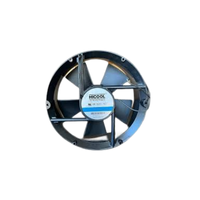
- Cooling-tower fan
A large fan used in cooling towers. It helps release heat from water in industrial and power plant systems.
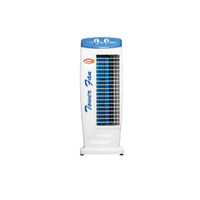
- HVAC fan
A fan used in heating, ventilation, and air conditioning systems. It circulates air throughout buildings for temperature control.
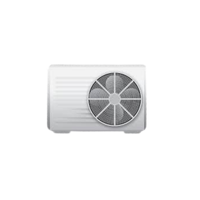
- Air-handler fan
A fan inside an air handling unit. It distributes conditioned air through ducts in HVAC systems.
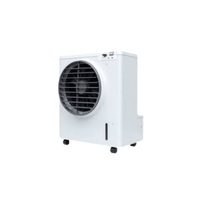
- Blower fan
A fan that moves air with high force. It is used in heating systems, blowers, and industrial ventilation.
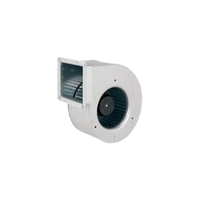
- Pressure fan
A fan designed to create higher air pressure. It is used in systems requiring strong airflow through resistance.
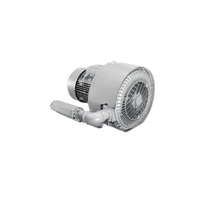
- Circulator fan
A fan that keeps air moving within a space. It improves airflow balance and supports consistent temperature distribution.
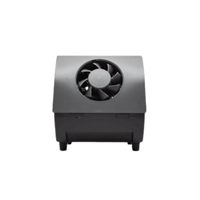
- Ventilator fan
A fan designed to exchange indoor and outdoor air. It improves air quality by removing stale air and bringing fresh air inside.
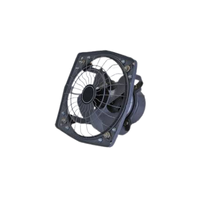
- Wind fan
A fan designed to produce strong, natural-feeling airflow. It simulates outdoor wind for cooling comfort.
- Breeze fan
A fan that provides gentle, soft airflow. It creates a comfortable cooling effect without strong air pressure.
Electric Fans with names and Pictures