

Types of Deer with Names in English
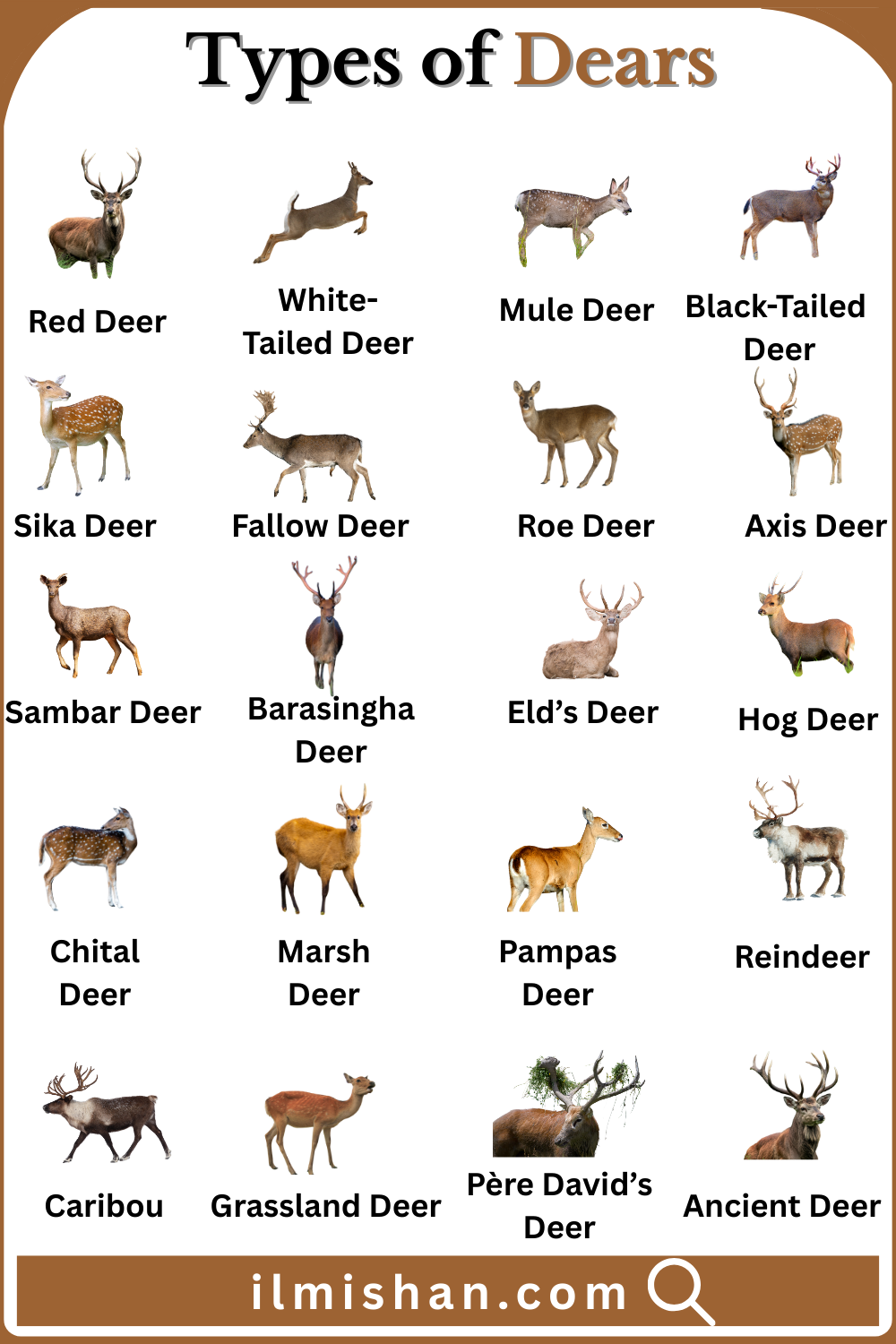
- Red Deer
- White-Tailed Deer
- Mule Deer
- Black-Tailed
- Deer
- Sika Deer
- Fallow Deer
- Roe Deer
- Barasingha Deer
- Eld’s Deer
- Hog Deer
- Chital Deer
- Marsh Deer
- Pampas Deer
- Axis Deer
- Reindeer
- Caribou
- Sambar Deer
- Grassland Deer
- Père David’s Deer
- Ancient Deer
Different Types of Deer Names in English with Pictures
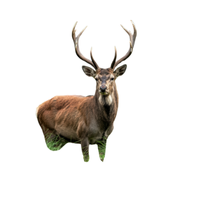
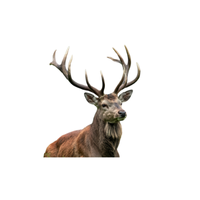
- Red Deer
A large deer species native to Europe and Asia, with reddish-brown coat, strong antlers in males, living in forests and open lands, feeding on grasses and plants.
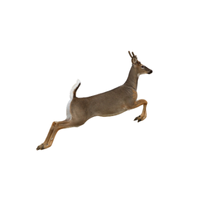
- White-Tailed Deer
A medium-sized deer from North America, named for its white tail underside, adaptable to forests and fields, feeding on leaves, grasses, and crops.
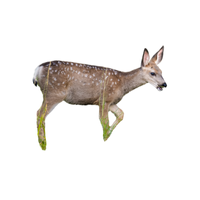
- Mule Deer
A North American deer with large mule-like ears and forked antlers, adapted to dry regions, mountains, and plains, feeding on shrubs, leaves, and grasses.
- Black-Tailed Deer
A subspecies of mule deer found along the Pacific coast, recognized by its dark tail, living in forests and coastal ranges, feeding on vegetation.
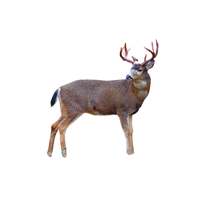
- Sika Deer
A medium-sized Asian deer with spotted coat, living in forests and grasslands, feeding on grasses, leaves, and bark, known for strong adaptability.
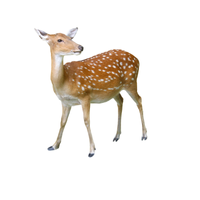
- Fallow Deer
A medium-sized deer with palmate antlers and spotted or plain coat, native to Europe, commonly found in parks and woodlands, feeding on grasses and leaves.
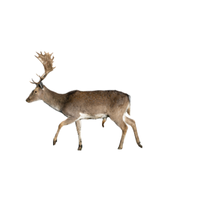
- Roe Deer
A small, slender deer native to Europe and Asia, living in forests and farmland edges, feeding on shrubs, herbs, and young plant growth.
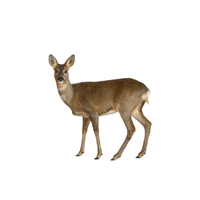
- Barasingha Deer
Also called swamp deer, native to India, recognized by many-tined antlers, living in wetlands and grasslands, feeding mainly on grasses and aquatic plants.
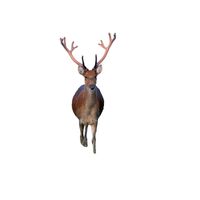
- Eld’s Deer
A rare deer species from Southeast Asia, with long curved antlers, living in grasslands and forests, feeding on grasses and low vegetation.
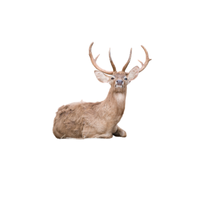
- Hog Deer
A small, stocky deer from South Asia, named for its low running posture, living in grasslands and forests, feeding on grasses and herbs.
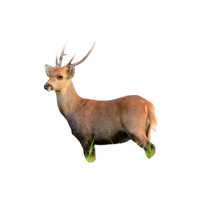
- Chital Deer
Also called spotted deer, native to India, with white spots year-round, living in forests and grasslands, feeding on grasses, leaves, and fruits.
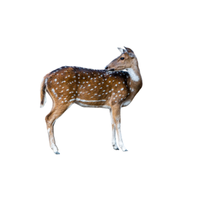
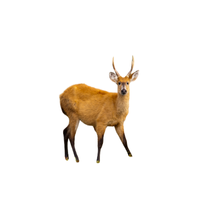
- Marsh Deer
The largest deer in South America, adapted to wetlands and marshes, with long legs and hooves, feeding on aquatic plants and grasses.
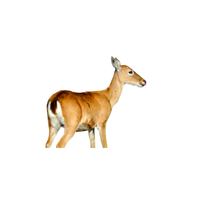
- Pampas Deer
A small deer native to South American grasslands, light brown in color, living in open plains, feeding mainly on grasses and low plants.
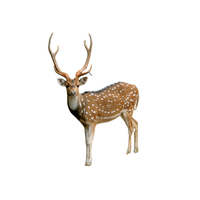
- Axis Deer
Another name for chital deer, known for spotted coat and graceful build, native to the Indian subcontinent, feeding on grasses and forest vegetation.
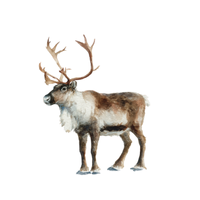
- Reindeer
A deer species native to Arctic and subarctic regions, domesticated in some cultures, adapted to cold climates, feeding on lichens, grasses, and shrubs.
- Caribou
The North American name for reindeer, living in tundra and boreal forests, migrating long distances and feeding mainly on lichens and vegetation.
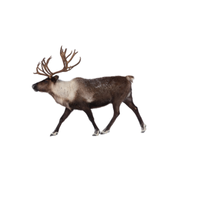
- Sambar Deer
A large deer native to South and Southeast Asia, dark brown in color, living in forests and hills, feeding on grasses, leaves, and shrubs.
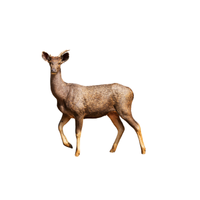
- Grassland Deer
A general term for deer adapted to open plains and grasslands, feeding mainly on grasses and herbs, relying on speed and vision for survival.
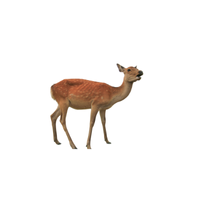
- Père David’s Deer
A rare deer species once extinct in the wild, native to China, with unique antlers and hooves, now conserved in protected reserves.
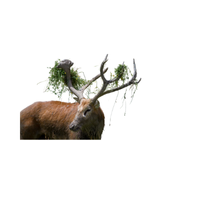
- Ancient Deer
A general term for prehistoric deer species that lived in past geological ages, often larger with massive antlers, adapted to ancient ecosystems.
Types of Deer with Names in English
List of Deer Breeds Names in English
- Tufted Deer
- Water Deer
- Muntjac Deer
- Barking Deer
- Brocket Deer
- Pudu Deer
- Huemul
- Deer
- Moose
- Elk
- Wapiti
- Key Deer
- Bawean
- Deer
- Andean
- Deer
- Mountain
- Deer
- Forest Deer
- Swamp
- Deer
- Giant Deer
- Dwarf Deer
- Prehistoric Deer
- Endangered Deer
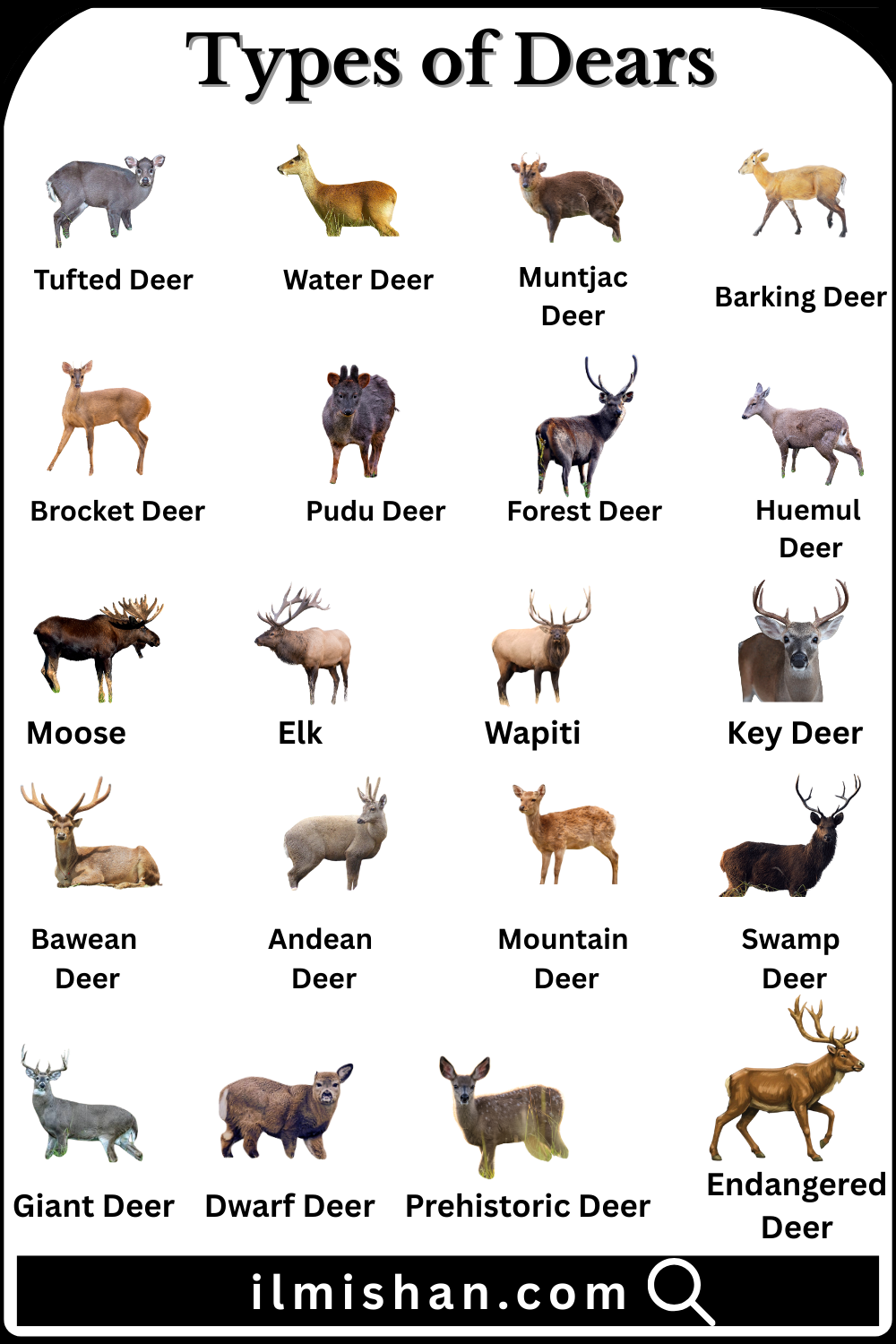
Learn Types of Deer Names in English with their Images
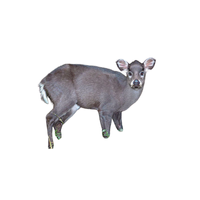
- Tufted Deer
A small Asian deer with a dark coat and a tuft of hair on its forehead, males having short tusk-like canines, living in forested mountain regions.
- Water Deer
A small deer native to East Asia, lacking antlers, with long canine teeth, adapted to wetlands and riverbanks, feeding on grasses and aquatic vegetation.

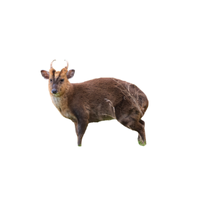
- Muntjac Deer
A small deer from South and Southeast Asia, known for short antlers and loud barking calls, living in forests and feeding on leaves, fruits, and shoots.
- Barking Deer
Another name for muntjac deer, referring to its dog-like alarm call, used to warn others, commonly found in dense forests and woodland areas.
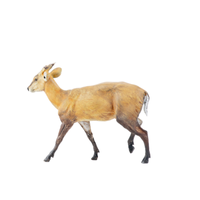
- Brocket Deer
Small forest-dwelling deer from Central and South America, with short antlers, solitary behavior, and diets of leaves, fruits, and low vegetation.
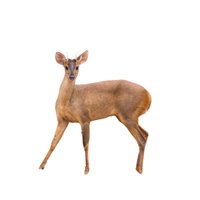
- Pudu Deer
The smallest deer species in the world, native to South America, short-legged and shy, living in dense forests and feeding on leaves and plants.
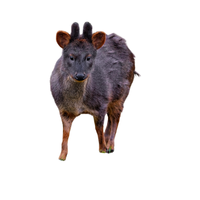
- Huemul Deer
An endangered South American deer from the Andes, with stocky body and short legs, living in mountainous forests and feeding on shrubs and grasses.
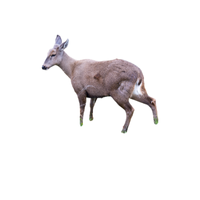
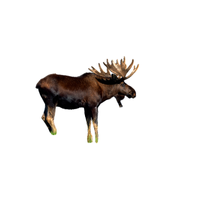
- Moose
The largest deer species, native to northern regions, with broad palmate antlers, living in forests and wetlands, feeding on leaves, twigs, and aquatic plants.
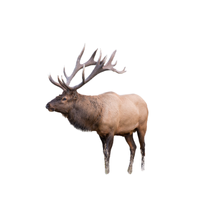
- Elk
A large deer species found in North America and Asia, known for impressive antlers and loud calls, living in forests and grasslands, feeding on plants.
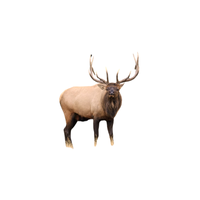
- Wapiti
Another name for elk, referring to the same species, large-bodied with long antlers, adapted to open forests and plains, feeding mainly on grasses and shrubs.
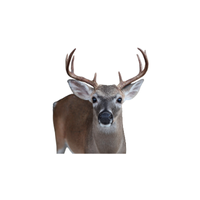
- Key Deer
A very small subspecies of white-tailed deer, native to Florida Keys, adapted to island life, feeding on local plants, and protected due to endangered status.
- Bawean Deer
A rare deer species native to Bawean Island, Indonesia, small and lightly built, living in forests and feeding on grasses, leaves, and fallen fruits.
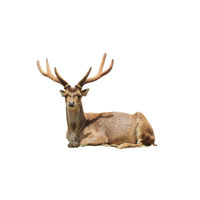
- Andean Deer
A general term for deer species living in the Andes Mountains, adapted to high elevations, rugged terrain, and cooler climates with sparse vegetation.
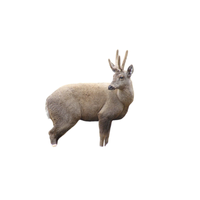
- Mountain Deer
A general term for deer adapted to mountainous regions, skilled at climbing and navigating steep terrain, feeding on shrubs, grasses, and alpine plants.
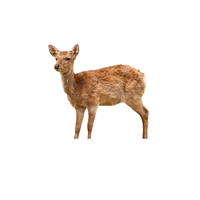
- Forest Deer
A general term for deer living in forest habitats, relying on cover for safety, feeding on leaves, fruits, bark, and understory vegetation.
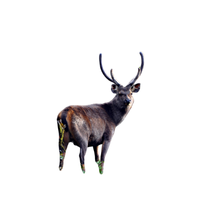
- Swamp Deer
Also called barasingha, a deer adapted to wetlands and marshes, with long legs and hooves, feeding mainly on grasses and aquatic plants.
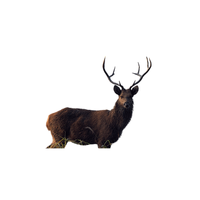
- Giant Deer
An extinct prehistoric deer, also known as Irish elk, famous for enormous antlers, living in ancient grasslands and forests during the Ice Age.
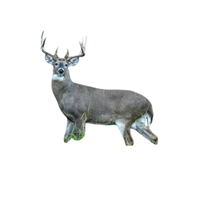
- Dwarf Deer
A general term for very small deer species, adapted to dense forests or islands, feeding on limited vegetation and relying on stealth for survival.
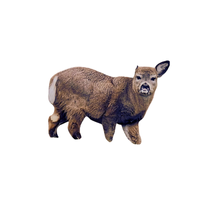
- Prehistoric Deer
A general term for extinct deer species from ancient times, often larger with unusual antlers, adapted to past climates and ecosystems.
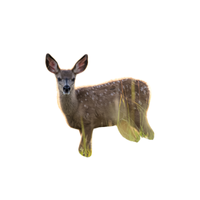
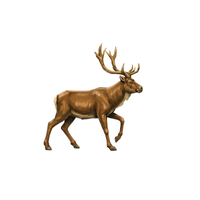
- Endangered Deer
A general term for deer species at risk of extinction due to habitat loss, hunting, and environmental changes, requiring protection and conservation efforts.
Learn Types of Deer Names in English with their Images
Deer Breeds Names List in English
- Plains Deer
- Woodland Deer
- Alpine Deer
- Island Deer
- Riverine Deer
- Long-Antlered Deer
- Short-Antlered Deer
- Spotted Deer
- Plain-Coat Deer
- Dark-Coat Deer
- Social Deer
- Solitary Deer
- Migratory Deer
- Nocturnal Deer
- Day-Active Deer
- Sacred Deer
- Cultural Deer
- Legendary Deer
- Mythical Deer
- Majestic Deer
Most Common Breeds of Deer Names in English with Pictures
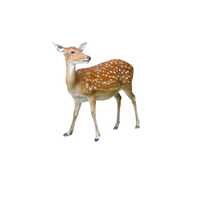
- Plains Deer
Deer adapted to open plains and grasslands, relying on speed and wide vision for safety, feeding mainly on grasses, herbs, and low shrubs in open environments.
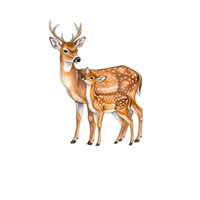
- Woodland Deer
Deer living in forests and woodlands, using trees and undergrowth for cover, feeding on leaves, fruits, bark, and tender shoots throughout the year.
- Alpine Deer
Deer adapted to high mountain regions, strong-legged and agile, living in cold climates, feeding on alpine grasses, shrubs, and seasonal plants.
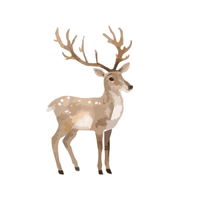
- Island Deer
Deer populations living on islands, often smaller in size, adapted to limited food resources, unique habitats, and reduced predators compared to mainland deer.
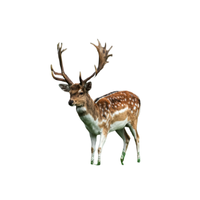
- Riverine Deer
Deer living near rivers, wetlands, and floodplains, good swimmers, feeding on grasses, reeds, and water-side vegetation for survival.
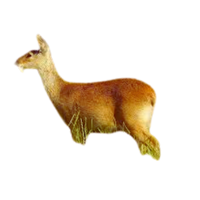
- Long-Antlered Deer
Deer species known for long, extended antlers, mainly in males, used for mating displays and dominance battles during breeding seasons.
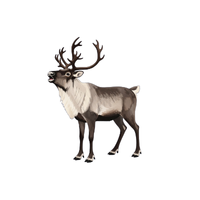
- Short-Antlered Deer
Deer with relatively short antlers, adapted to dense habitats, reducing entanglement, and focusing more on agility and stealth than display.
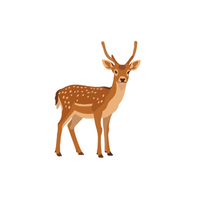
- Spotted Deer
Deer with white or light spots on their coats, providing camouflage, commonly seen in forest edges and grasslands, feeding on grasses and leaves.
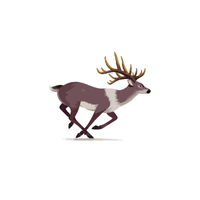
- Plain-Coat Deer
Deer with solid-colored coats lacking spots, helping blend into forests, mountains, or plains, depending on habitat and seasonal color changes.
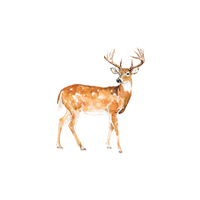
- Dark-Coat Deer
Deer with darker fur shades, offering camouflage in dense forests or shaded environments, helping avoid predators and regulate body heat.
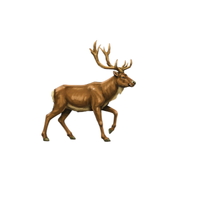
- Social Deer
Deer that live in groups or herds, relying on shared vigilance, communication, and movement to reduce danger and improve survival.
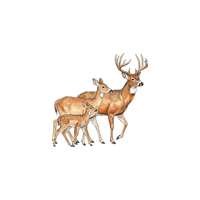
- Solitary Deer
Deer that mostly live alone, except during mating or raising young, relying on stealth, quiet movement, and hidden habitats for protection.
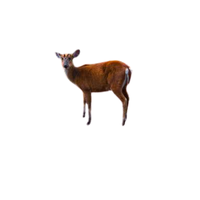
- Migratory Deer
Deer that travel seasonally between habitats, following food availability and weather changes, often moving between lowlands and higher elevations.
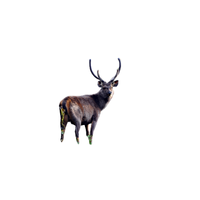
- Nocturnal Deer
Deer mainly active at night, feeding and moving after dark to avoid predators and human disturbance, resting in cover during daylight hours.
- Day-Active Deer
Deer active mostly during daylight, feeding and traveling openly, often in safer habitats with fewer predators or strong group protection.
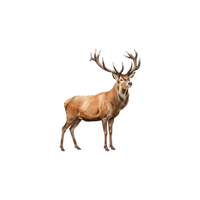
- Sacred Deer
Deer regarded as holy or spiritually important in certain cultures, often protected, respected, and linked to temples, rituals, or religious beliefs.
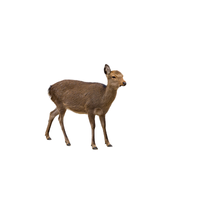
- Cultural Deer
Deer that hold symbolic meaning in art, traditions, and folklore, representing grace, nature, or harmony in many societies worldwide.
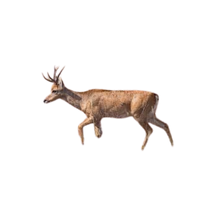
- Legendary Deer
Deer featured in legends and stories, often described with extraordinary traits, guiding heroes, guarding forests, or symbolizing destiny and mystery.
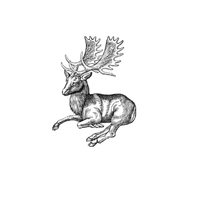
- Mythical Deer
Imaginary deer from myths, often possessing magical powers, unusual antlers, or divine roles, existing only in folklore and ancient beliefs.
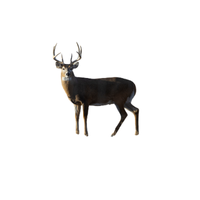
- Majestic Deer
A descriptive term for deer admired for beauty, size, and elegance, symbolizing strength, grace, and dignity in nature and human imagination.

Most Common Breeds of Deer Names in English with Pictures
Learn more helpful Articles