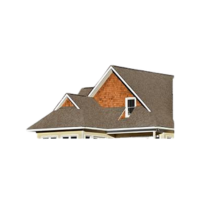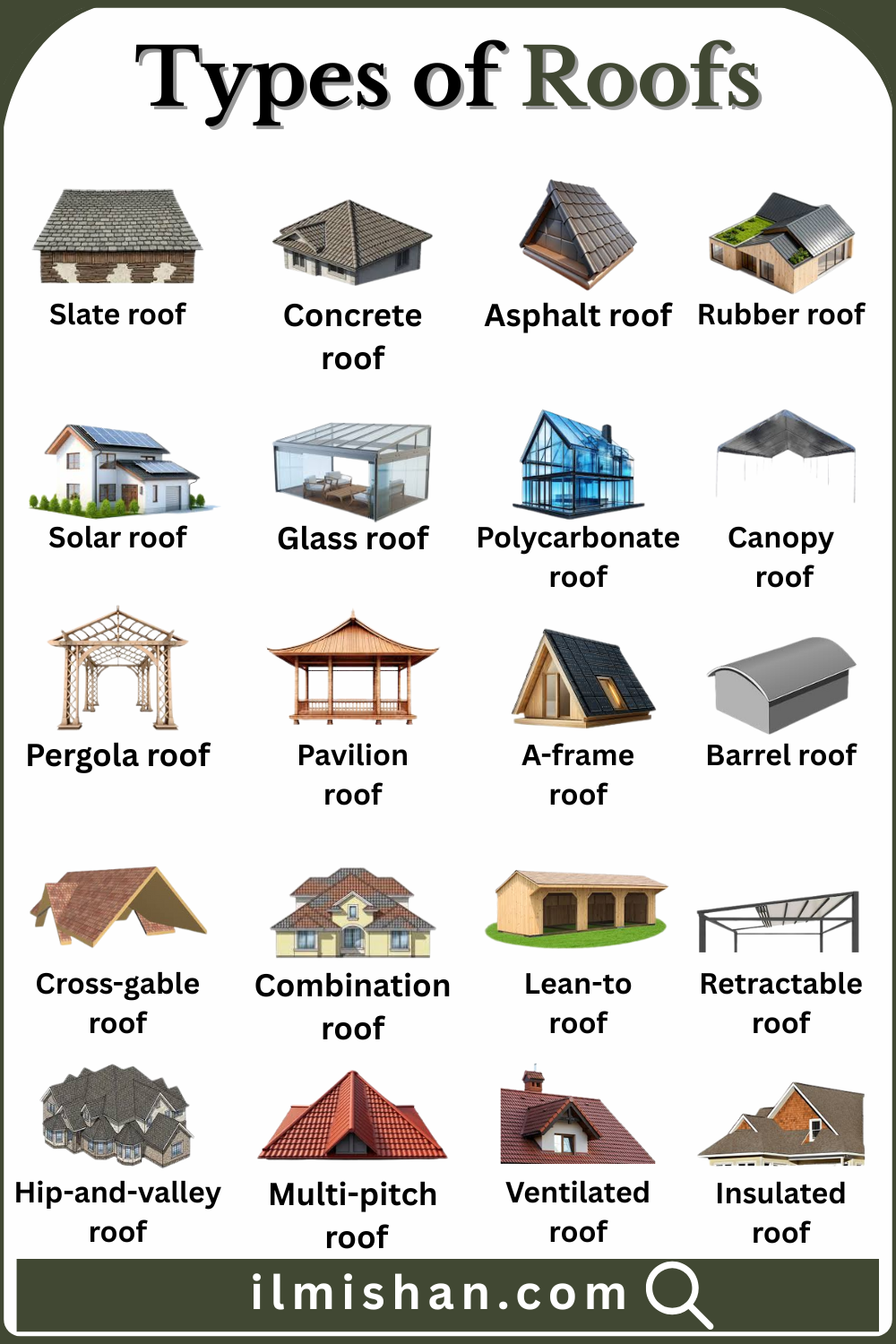
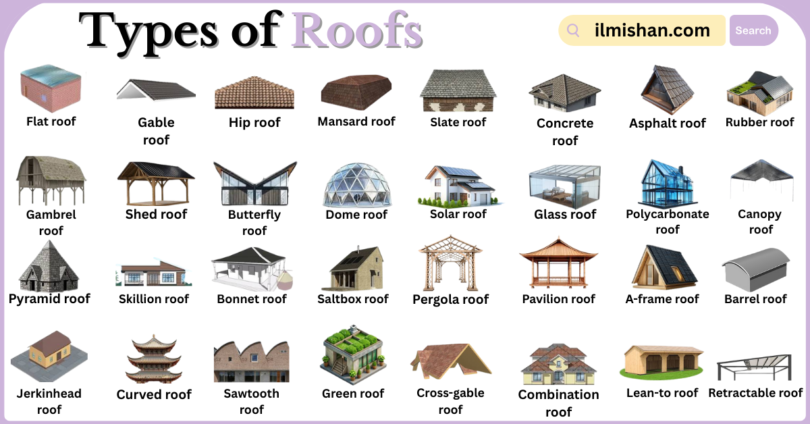

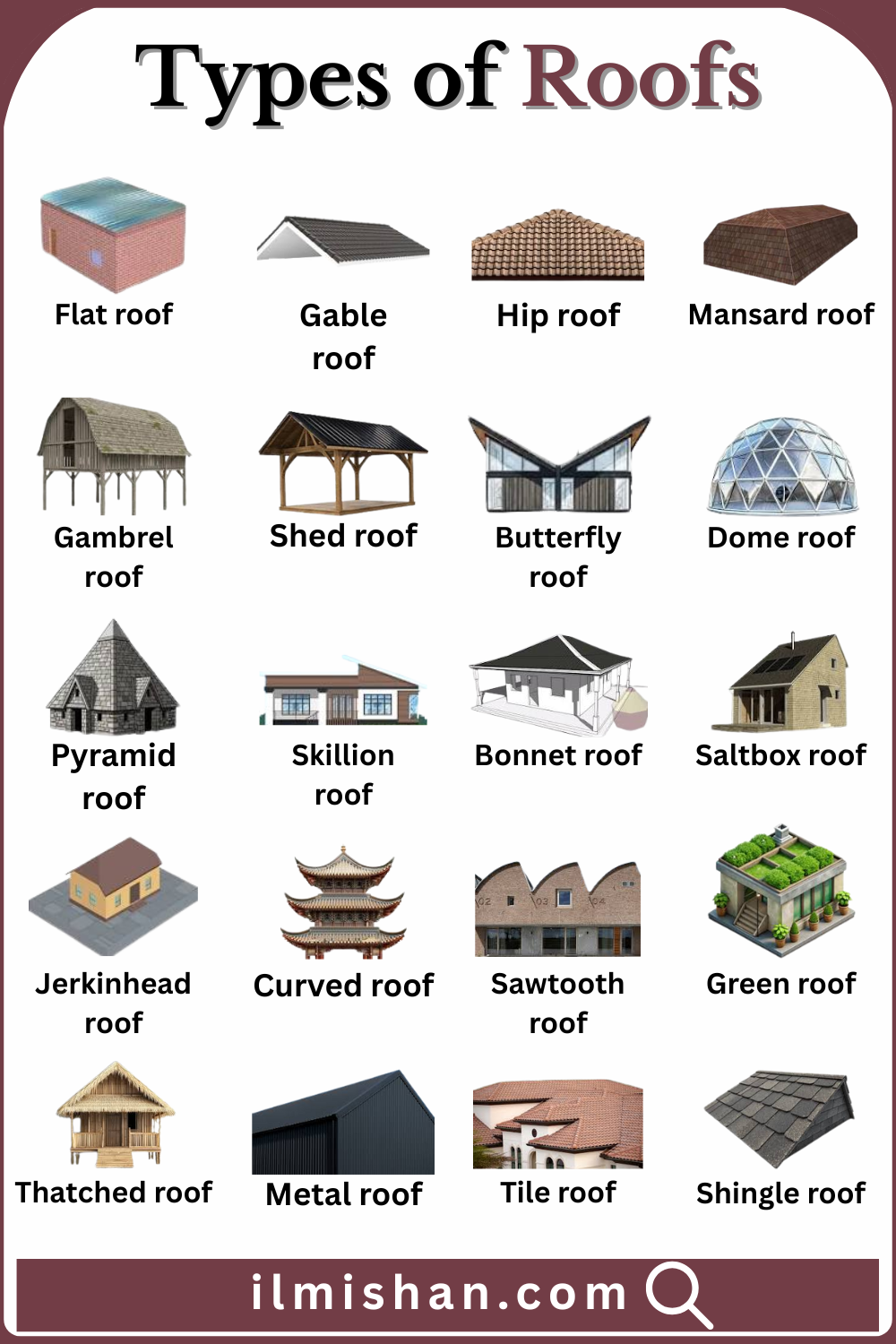
Roofs are one of the most important parts of any building because they protect us from sun, rain, wind, and other weather conditions. There are many different types of roofs, and each one has a special shape, design, and purpose. Some roofs are flat, while others are sloped or curved, depending on the climate and the style of the house. In this article, you will learn about Types of Roofs with Names in English with Pictures to help you understand their structure easily. Knowing these roof types will improve your vocabulary and also give you basic knowledge about house design and construction in simple and clear language.
Table of Contents
ToggleCommon Roofs Types and Name
- Flat roof
- Gable roof
- Hip roof
- Mansard roof
- Gambrel roof
- Shed roof
- Butterfly roof
- Dome roof
- Pyramid roof
- Skillion roof
- Bonnet roof
- Saltbox roof
- Jerkinhead roof
- Curved roof
- Sawtooth roof
- Green roof
- Thatched roof
- Metal roof
- Tile roof
- Shingle roof
Explore Roofs Types and Names
- Flat roof
A roof with an almost level surface and slight slope for drainage, commonly used in modern buildings, offering usable rooftop space, easy access, simple construction, and support for solar panels or utilities.

- Gable roof
A roof with two sloping sides meeting at a central ridge, forming triangular ends, widely used in houses for simple design, good water drainage, ventilation space, and a classic traditional appearance.

- Hip roof
A roof where all sides slope downward toward the walls, providing strong stability, excellent wind resistance, balanced appearance, and efficient rainwater drainage for residential and commercial buildings.

- Mansard roof
A four-sided roof with double slopes on each side, steep below and shallow above, designed to maximize attic space and commonly associated with elegant French architectural styles.

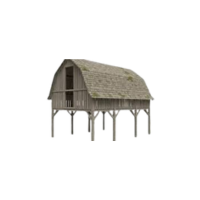
- Gambrel roof
A roof with two slopes on each side, steeper at the bottom, commonly seen on barns, allowing extra interior space and giving buildings a traditional rural appearance.
- Shed roof
A single-sloped roof surface, often attached to a taller wall, used in modern homes and extensions, offering simple construction, effective drainage, and a clean contemporary look.

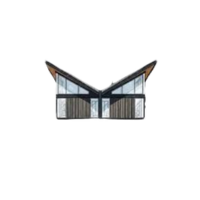
- Butterfly roof
A roof with two inward-sloping sides meeting at the center, resembling wings, designed for rainwater collection, modern aesthetics, and enhanced natural light in contemporary buildings.
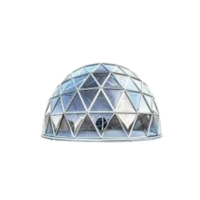
- Dome roof
A rounded roof forming a half-sphere shape, used in religious and monumental buildings, offering strong structural support, wide interior space, and iconic architectural beauty.
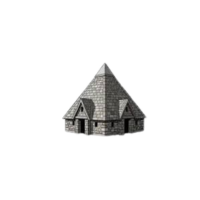
- Pyramid roof
A roof with four equal triangular sides meeting at one point, commonly used on small structures, providing symmetry, strength, and efficient rainwater runoff.
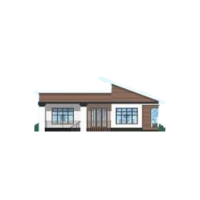
- Skillion roof
A roof with one continuous slope, similar to a shed roof, commonly used in modern architecture for simple construction, good drainage, and stylish contemporary design.
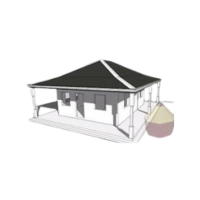
- Bonnet roof
A modified hip roof with extended lower slopes, creating wide overhangs that provide shade and protection from rain, often used in traditional porch designs.
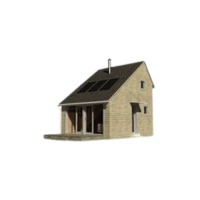
- Saltbox roof
A roof with uneven slopes, longer on one side, originating from colonial homes, offering extra interior space and effective snow and rain shedding.
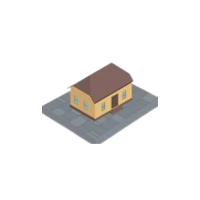
- Jerkinhead roof
A gable roof with clipped ends, combining gable and hip styles, reducing wind pressure and adding a distinctive traditional architectural appearance.
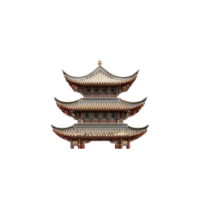
- Curved roof
A roof with a smooth curved shape, commonly used in modern and large buildings, providing visual appeal, structural efficiency, and improved airflow across the surface.
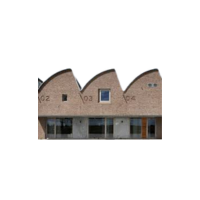
- Sawtooth roof
A roof made of repeated ridged sections with vertical windows, mainly used in factories to allow natural light and ventilation for industrial workspaces.
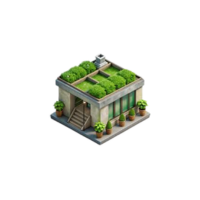
- Green roof
A roof covered with vegetation and soil layers, designed to improve insulation, manage rainwater, reduce heat, and support environmentally friendly building practices.
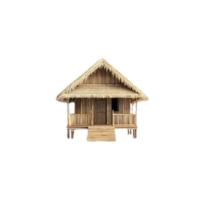
- Thatched roof
A roof made from dried straw or reeds, traditionally used in rural homes, offering natural insulation, rustic appearance, and cultural heritage value.
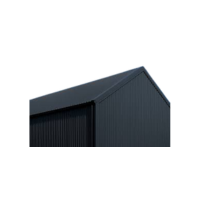
- Metal roof
A roof made from metal sheets or panels, known for durability, fire resistance, low maintenance, and long lifespan in residential and commercial buildings.
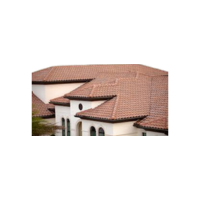
- Tile roof
A roof covered with clay or concrete tiles, valued for durability, insulation, weather resistance, and a classic appearance in traditional architecture.
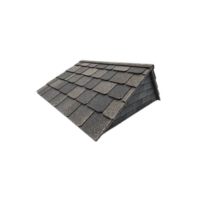
- Shingle roof
A roof covered with overlapping shingles, usually asphalt or wood, providing waterproof protection, affordability, and easy installation for residential homes.
Explore Roofs Types and Names
Type of Roofs with Name and image list
- Slate roof
- Concrete roof
- Asphalt roof
- Rubber roof
- Solar roof
- Glass roof
- Polycarbonate roof
- Retractable roof
- Canopy roof
- Pergola roof
- Pavilion roof
- A-frame roof
- Barrel roof
- Cross-gable roof
- Combination roof
- Lean-to roof
- Hip-and-valley roof
- Multi-pitch roof
- Ventilated roof
- Insulated roof
Common Types of Roofs with their Names and Pictures
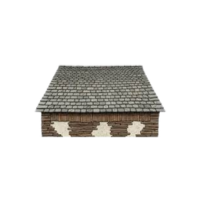
- Slate roof
A roof covered with natural slate stone tiles, known for exceptional durability, water resistance, fire safety, and elegant appearance, commonly used on historic and high-quality residential buildings.
- Concrete roof
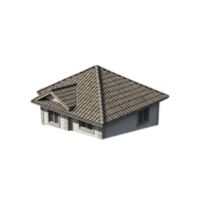
A roof made using concrete slabs or tiles, offering high strength, fire resistance, weather durability, and low maintenance, commonly used in modern residential and commercial construction projects.
- Asphalt roof
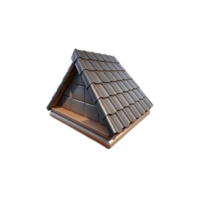
A roof covered with asphalt shingles, popular for affordability, easy installation, reliable waterproofing, and wide color options, commonly used in residential housing across many regions.
- Rubber roof
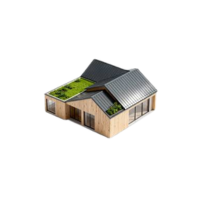
A roof made from synthetic rubber membranes, flexible and waterproof, commonly used on flat roofs, providing durability, easy maintenance, and resistance to extreme weather conditions.
- Solar roof
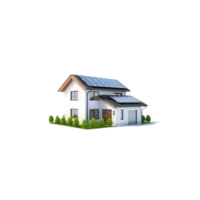
A roof integrated with solar panels or solar tiles, designed to generate electricity while protecting the building, promoting energy efficiency and sustainable power solutions.
- Glass roof
A roof made partially or fully from glass panels, allowing natural light inside, commonly used in greenhouses, atriums, and modern homes for bright interior spaces.
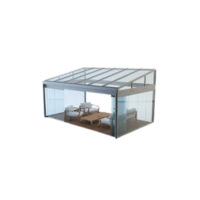
- Polycarbonate roof
A lightweight roof made from durable polycarbonate sheets, offering transparency, impact resistance, UV protection, and weather durability, commonly used for patios and outdoor coverings.

- Retractable roof
A movable roof that opens and closes as needed, allowing control over sunlight and weather exposure, commonly used in stadiums, restaurants, and outdoor living spaces.
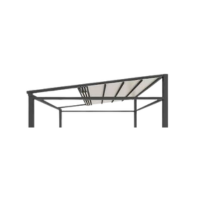
- Canopy roof
A lightweight roof structure providing shade and protection, often supported by posts, commonly used over entrances, walkways, patios, and outdoor seating areas.
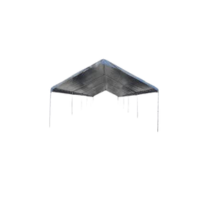
- Pergola roof
A partially open roof structure with beams or slats, designed to provide filtered shade, decorative appeal, and outdoor comfort in gardens, patios, and terraces.
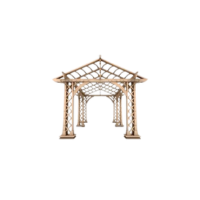
- Pavilion roof
A roof designed for open-sided structures, offering shelter while maintaining airflow, commonly used in parks, gardens, and recreational outdoor spaces.
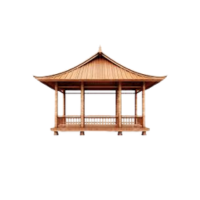
- A-frame roof
A steeply angled roof forming the shape of the letter A, extending close to the ground, offering excellent snow shedding and a simple, striking architectural design.
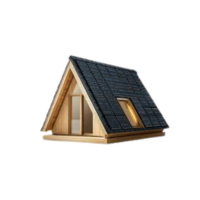
- Barrel roof
A curved roof resembling a half-cylinder, commonly used in modern and large-span buildings, providing smooth aesthetics, structural strength, and efficient water drainage.
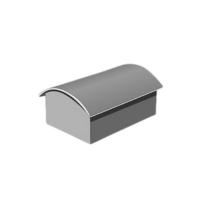
- Cross-gable roof
A roof formed by two intersecting gable roofs, creating multiple ridges, commonly used in larger homes to add space, architectural interest, and effective drainage.
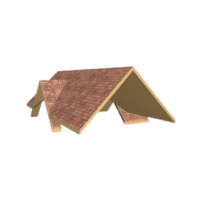
- Combination roof
A roof that combines two or more roof styles, designed to suit complex building layouts, offering flexibility, visual interest, and functional performance for different sections.
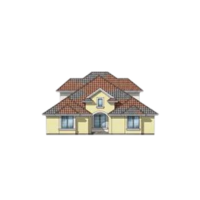
- Lean-to roof
A simple single-slope roof attached to an existing wall, commonly used for extensions, sheds, and porches, offering easy construction and effective rainwater runoff.
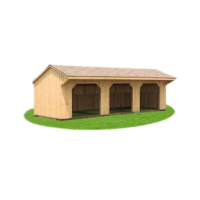
- Hip-and-valley roof
A complex roof design with hips and valleys formed by intersecting slopes, commonly used on large buildings, offering strength, balanced appearance, and efficient drainage.
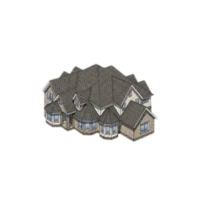
- Multi-pitch roof
A roof featuring several slopes at different angles, used on complex structures, providing architectural interest, improved drainage, and adaptable design for varied building sections.
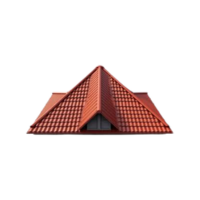
- Ventilated roof
A roof designed with airflow channels to reduce heat buildup and moisture, improving indoor comfort, extending roof lifespan, and enhancing energy efficiency.
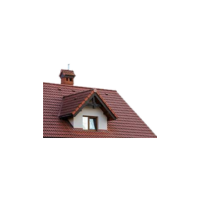
- Insulated roof
A roof fitted with insulation layers to reduce heat transfer, improving energy efficiency, indoor comfort, and temperature control in both hot and cold climates.