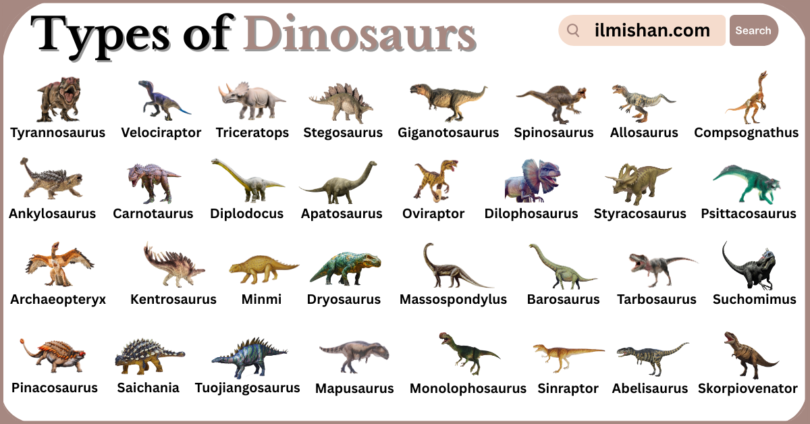

List of Dinosaurs in English
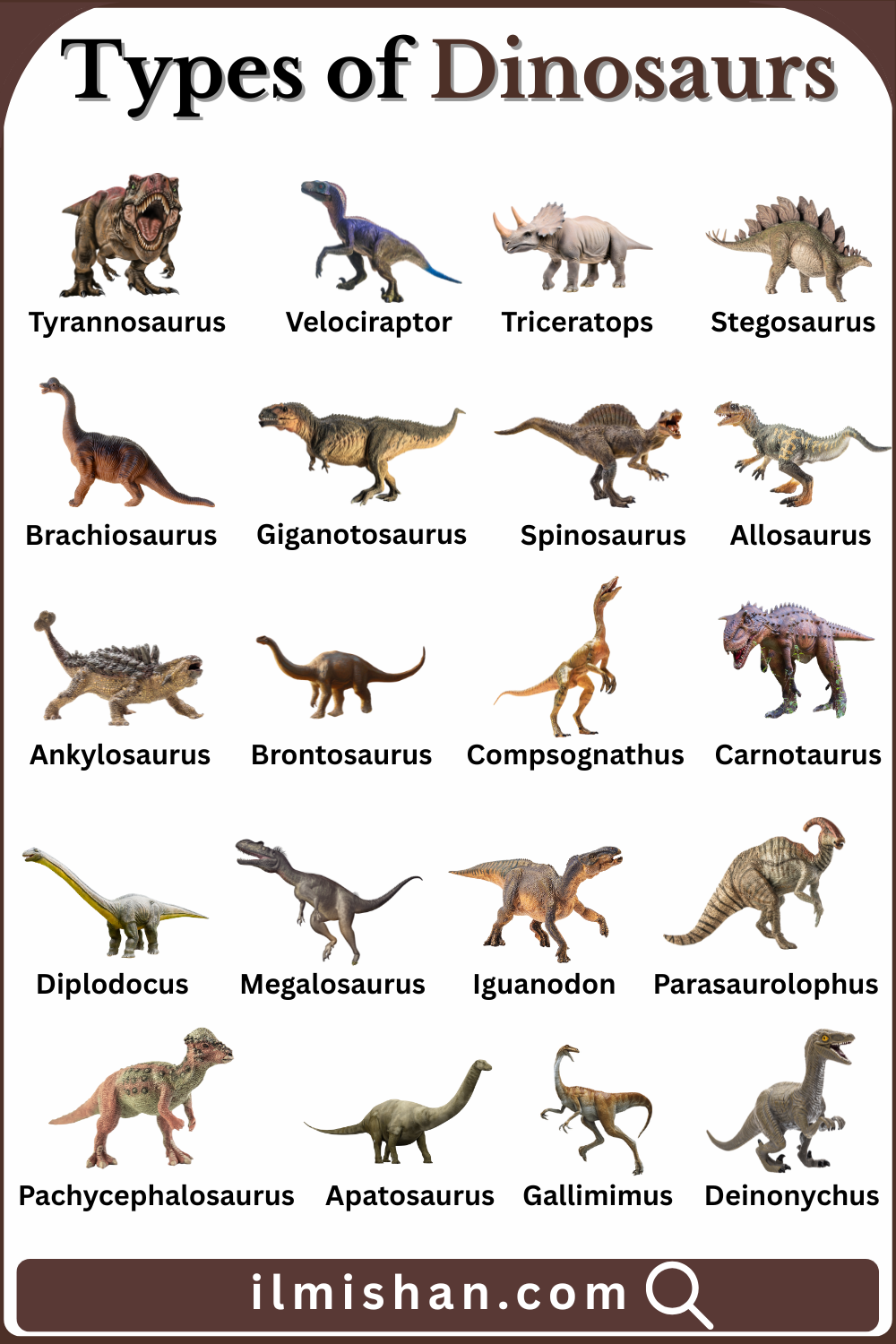
- Tyrannosaurus
- Velociraptor
- Triceratops
- Stegosaurus
- Brachiosaurus
- Diplodocus
- Spinosaurus
- Allosaurus
- Ankylosaurus
- Brontosaurus
- Apatosaurus
- Carnotaurus
- Giganotosaurus
- Megalosaurus
- Iguanodon
- Parasaurolophus
- Pachycephalosaurus
- Compsognathus
- Gallimimus
- Deinonychus
Types of Dinosaurs Breeds Names in English and Pictures
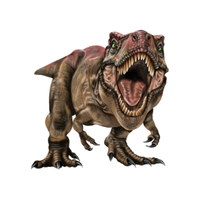
- Tyrannosaurus
A massive meat-eating dinosaur with powerful jaws and sharp teeth, walking on two legs, living in the late Cretaceous period as a top predator.
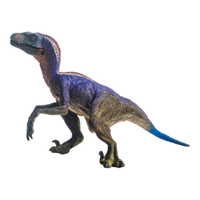
- Velociraptor
A small, fast carnivorous dinosaur with a sickle-shaped claw on each foot, intelligent and agile, hunting smaller animals during the late Cretaceous period.
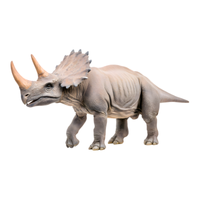
- Triceratops
A large plant-eating dinosaur with three horns and a broad bony frill, using its head for defense and display, living in the late Cretaceous period.
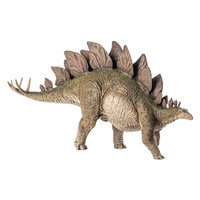
- Stegosaurus
A herbivorous dinosaur with large plates along its back and spiked tail, using its tail for defense, living during the late Jurassic period.
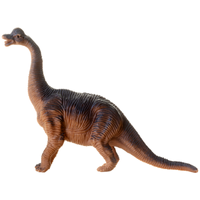
- Brachiosaurus
A tall, long-necked herbivore with longer front legs, allowing it to reach high vegetation, living during the late Jurassic period.
- Diplodocus
A very long, slender herbivorous dinosaur with a whip-like tail and long neck, feeding on low plants during the late Jurassic period.
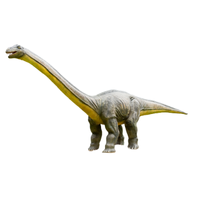
- Spinosaurus
A large carnivorous dinosaur with a sail-like structure on its back, adapted for fishing, living near rivers during the Cretaceous period.
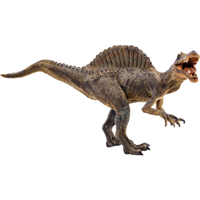
- Allosaurus
A large meat-eating dinosaur with sharp teeth and strong jaws, hunting large prey, living during the late Jurassic period.
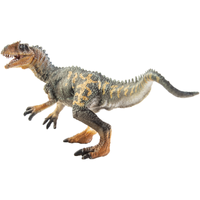
- Ankylosaurus
A heavily armored plant-eating dinosaur with bony plates and a clubbed tail, using armor and tail for strong defense.
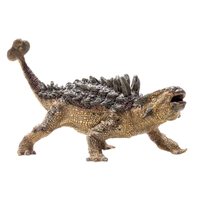
- Brontosaurus
A huge long-necked herbivorous dinosaur with thick legs and long tail, feeding on plants during the late Jurassic period.
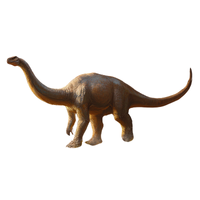
- Apatosaurus
A massive plant-eating dinosaur with long neck and tail, similar to Brontosaurus, living during the late Jurassic period.
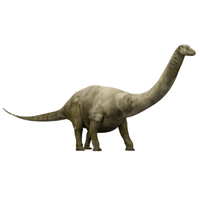
- Carnotaurus
A fast-running carnivorous dinosaur with short arms and horn-like structures above its eyes, living during the late Cretaceous period.
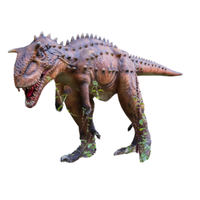
- Giganotosaurus
An enormous meat-eating dinosaur larger than Tyrannosaurus, with powerful jaws, living in South America during the late Cretaceous period.
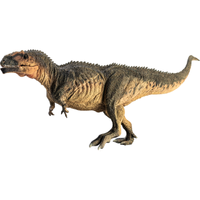
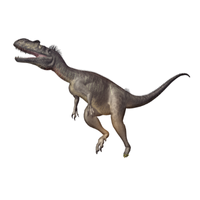
- Megalosaurus
One of the first named dinosaurs, a large carnivore with strong jaws and sharp teeth, living during the middle Jurassic period.
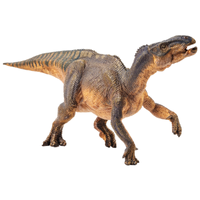
- Iguanodon
A large herbivorous dinosaur with strong legs and thumb spikes, capable of walking on two or four legs during the early Cretaceous period.
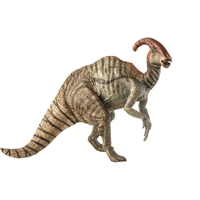
- Parasaurolophus
A plant-eating dinosaur with a long curved crest on its head, possibly used for sounds and communication, living in the late Cretaceous period.
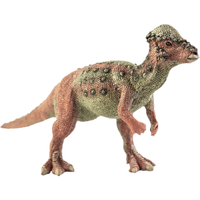
- Pachycephalosaurus
A bipedal herbivore with a thick, domed skull, possibly used for head-butting or display, living during the late Cretaceous period.
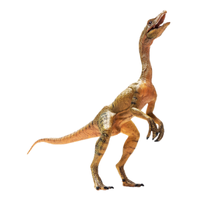
- Compsognathus
A small, lightweight carnivorous dinosaur, about chicken-sized, feeding on insects and small animals during the late Jurassic period.
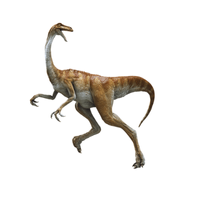
- Gallimimus
A fast, ostrich-like dinosaur with long legs and toothless beak, likely omnivorous, living during the late Cretaceous period.
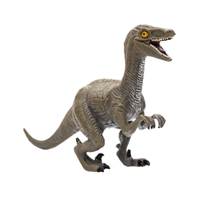
- Deinonychus
A medium-sized predatory dinosaur with sharp claws and strong legs, known for intelligence and group hunting behavior during the early Cretaceous period.
Types of Dinosaurs Breeds Names in English and Pictures
Most Common Dinosaur Name in English
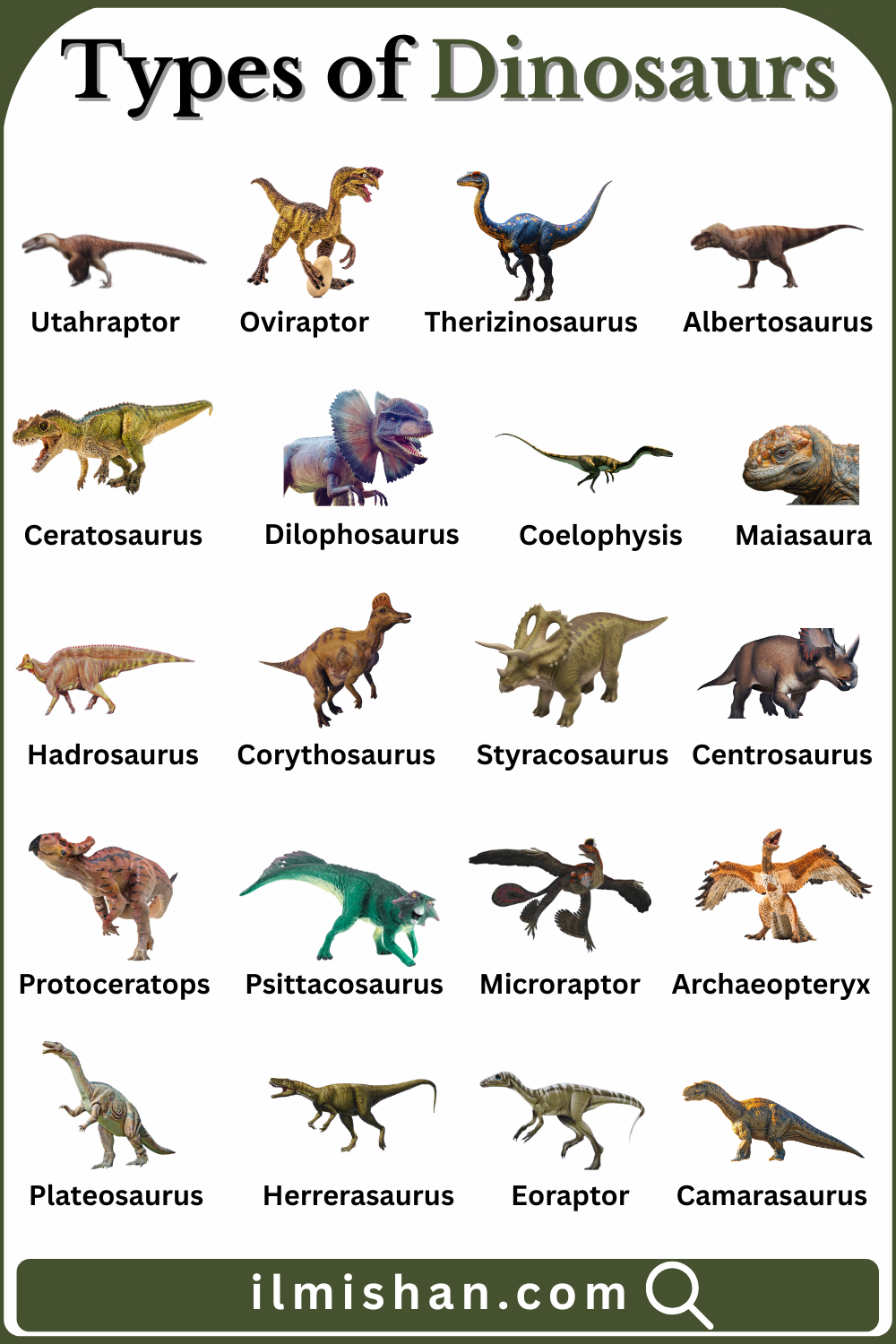
- Utahraptor
- Oviraptor
- Therizinosaurus
- Albertosaurus
- Ceratosaurus
- Dilophosaurus
- Coelophysis
- Maiasaura
- Hadrosaurus
- Corythosaurus
- Styracosaurus
- Centrosaurus
- Protoceratops
- Psittacosaurus
- Microraptor
- Archaeopteryx
- Plateosaurus
- Herrerasaurus
- Eoraptor
- Camarasaurus
Common Types of Dinosaurs Names in English and Pictures
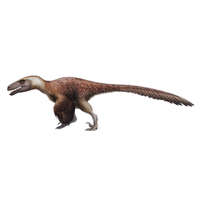
- Utahraptor
A large, fast-running carnivorous dinosaur with sharp claws and strong legs. It lived in the Early Cretaceous period and hunted other dinosaurs using teamwork and speed.
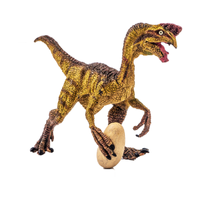
- Oviraptor
A small, bird-like dinosaur with a beak and feathers. It lived in the Late Cretaceous period and is known for caring for its eggs rather than stealing them.
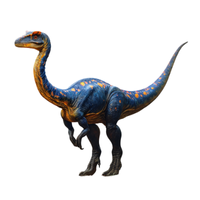
- Therizinosaurus
A plant-eating dinosaur with extremely long claws. It lived in the Late Cretaceous period and used its claws to pull branches and defend itself.
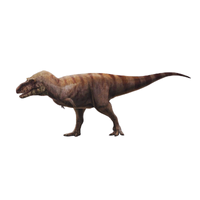
- Albertosaurus
A meat-eating dinosaur closely related to Tyrannosaurus. It lived in the Late Cretaceous period and was lighter, faster, and an active predator.
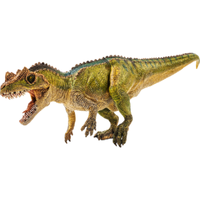
- Ceratosaurus
A medium-sized carnivorous dinosaur with a horn on its nose. It lived in the Late Jurassic period and hunted small dinosaurs and reptiles.
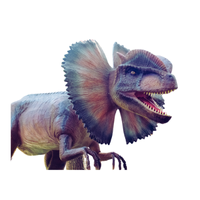
- Dilophosaurus
A carnivorous dinosaur with two crests on its head. It lived in the Early Jurassic period and was a fast hunter feeding on smaller animals.
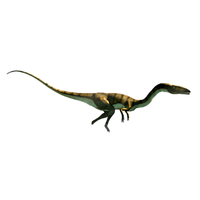
- Coelophysis
A small, slender carnivorous dinosaur from the Late Triassic period. It was one of the earliest dinosaurs and hunted insects and small vertebrates.
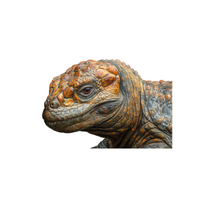
- Maiasaura
A plant-eating dinosaur known for caring for its young. It lived in the Late Cretaceous period and nested in large colonies.
- Hadrosaurus
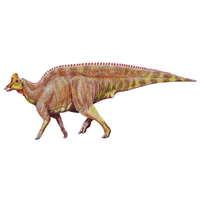
A duck-billed, plant-eating dinosaur from the Late Cretaceous period. It walked on two or four legs and fed on leaves and plants.
- Corythosaurus
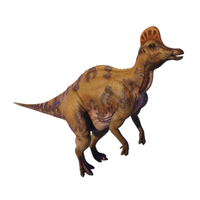
A plant-eating dinosaur with a helmet-shaped crest on its head. It lived in the Late Cretaceous period and used sounds for communication.
- Styracosaurus
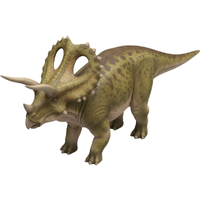
A horned dinosaur with long spikes around its neck frill. It lived in the Late Cretaceous period and used horns for defense.
- Centrosaurus
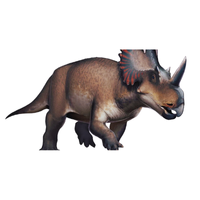
A plant-eating horned dinosaur with a single nose horn. It lived in the Late Cretaceous period and traveled in large herds.
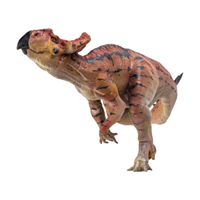
- Protoceratops
A small, hornless ceratopsian dinosaur from the Late Cretaceous period. It was a plant eater and used its strong beak to chew vegetation.
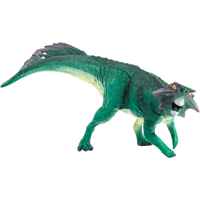
- Psittacosaurus
A small plant-eating dinosaur with a parrot-like beak. It lived in the Early Cretaceous period and walked mainly on two legs.
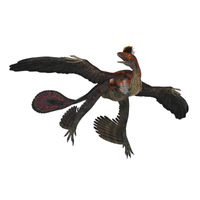
- Microraptor
A small feathered dinosaur with four wings. It lived in the Early Cretaceous period and could glide between trees.
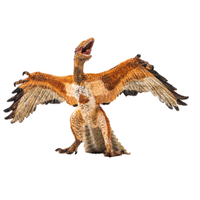
- Archaeopteryx
A bird-like dinosaur with feathers and teeth. It lived in the Late Jurassic period and shows the link between dinosaurs and modern birds.
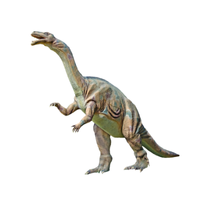
- Plateosaurus
A large plant-eating dinosaur from the Late Triassic period. It walked on two legs and fed on leaves from tall plants.
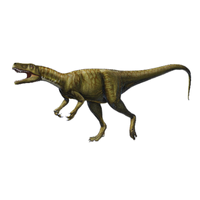
- Herrerasaurus
One of the earliest carnivorous dinosaurs. It lived in the Late Triassic period and had sharp teeth for hunting small animals.
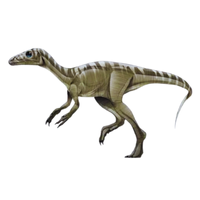
- Eoraptor
A small, early dinosaur from the Late Triassic period. It was likely an omnivore, eating both plants and small animals.
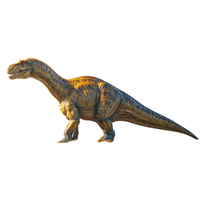
- Camarasaurus
A large long-necked plant-eating dinosaur from the Late Jurassic period. It used its strong teeth to eat tough vegetation.
Common Types of Dinosaurs Names in English and Pictures
20 Types of Dinosaurs Breeds Names in English
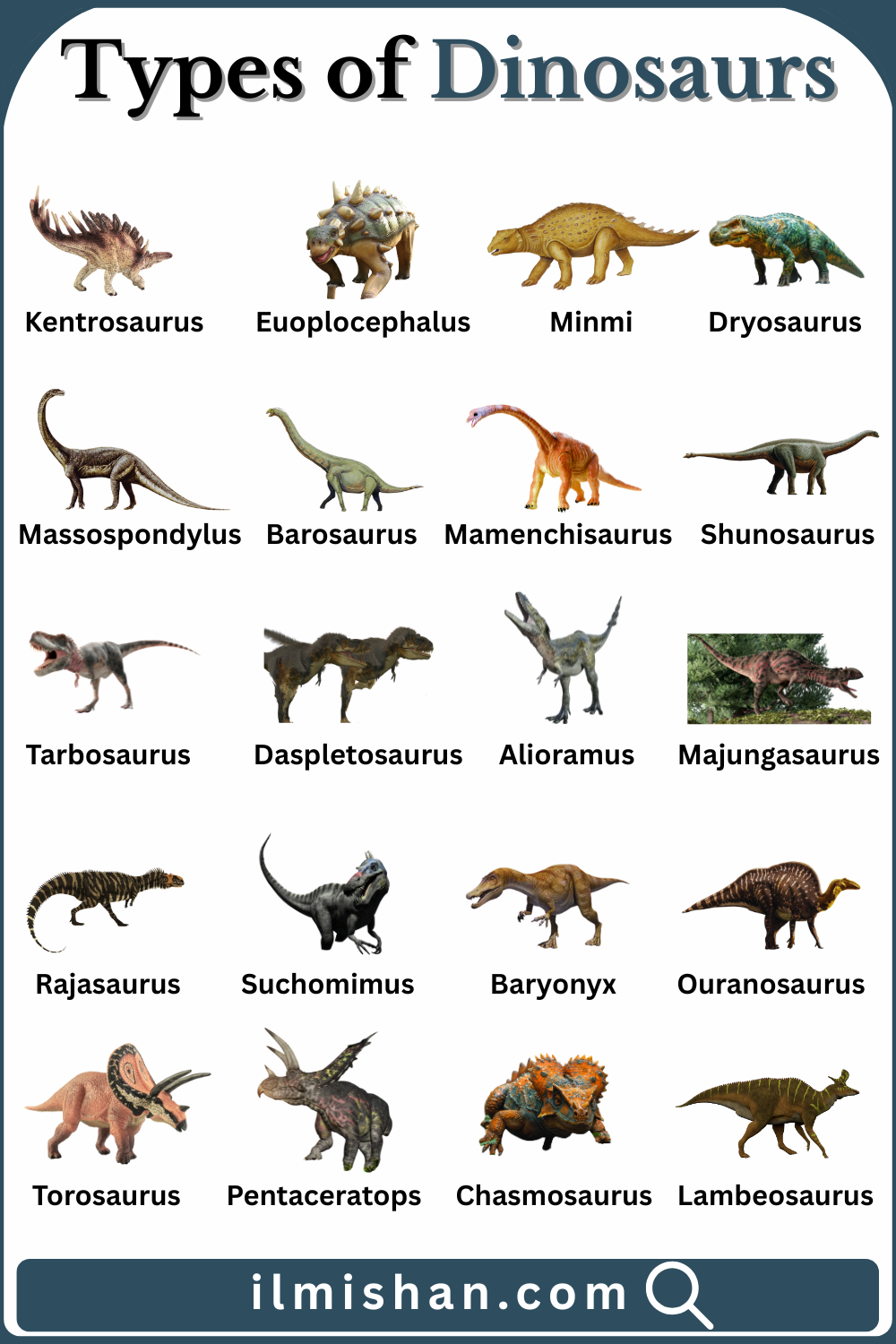
- Kentrosaurus
- Euoplocephalus
- Minmi
- Dryosaurus
- Massospondylus
- Barosaurus
- Mamenchisaurus
- Shunosaurus
- Tarbosaurus
- Daspletosaurus
- Alioramus
- Majungasaurus
- Rajasaurus
- Suchomimus
- Baryonyx
- Ouranosaurus
- Torosaurus
- Pentaceratops
- Chasmosaurus
- Lambeosaurus
Different Types of Dinosaurs Names in English and their Images
- Utahraptor
A large, fast-running carnivorous dinosaur with sharp claws and strong legs. It lived in the Early Cretaceous period and hunted other dinosaurs using teamwork and speed.
- Oviraptor
A small, bird-like dinosaur with a beak and feathers. It lived in the Late Cretaceous period and is known for caring for its eggs rather than stealing them.
- Therizinosaurus
A plant-eating dinosaur with extremely long claws. It lived in the Late Cretaceous period and used its claws to pull branches and defend itself.
- Albertosaurus
A meat-eating dinosaur closely related to Tyrannosaurus. It lived in the Late Cretaceous period and was lighter, faster, and an active predator.
- Ceratosaurus
A medium-sized carnivorous dinosaur with a horn on its nose. It lived in the Late Jurassic period and hunted small dinosaurs and reptiles.
- Dilophosaurus
A carnivorous dinosaur with two crests on its head. It lived in the Early Jurassic period and was a fast hunter feeding on smaller animals.
- Coelophysis
A small, slender carnivorous dinosaur from the Late Triassic period. It was one of the earliest dinosaurs and hunted insects and small vertebrates.
- Maiasaura
A plant-eating dinosaur known for caring for its young. It lived in the Late Cretaceous period and nested in large colonies.
- Hadrosaurus
A duck-billed, plant-eating dinosaur from the Late Cretaceous period. It walked on two or four legs and fed on leaves and plants.
- Corythosaurus
A plant-eating dinosaur with a helmet-shaped crest on its head. It lived in the Late Cretaceous period and used sounds for communication.
- Styracosaurus
A horned dinosaur with long spikes around its neck frill. It lived in the Late Cretaceous period and used horns for defense.
- Centrosaurus
A plant-eating horned dinosaur with a single nose horn. It lived in the Late Cretaceous period and traveled in large herds.
- Protoceratops
A small, hornless ceratopsian dinosaur from the Late Cretaceous period. It was a plant eater and used its strong beak to chew vegetation.
- Psittacosaurus
A small plant-eating dinosaur with a parrot-like beak. It lived in the Early Cretaceous period and walked mainly on two legs.
- Microraptor
A small feathered dinosaur with four wings. It lived in the Early Cretaceous period and could glide between trees.
- Archaeopteryx
A bird-like dinosaur with feathers and teeth. It lived in the Late Jurassic period and shows the link between dinosaurs and modern birds.
- Plateosaurus
A large plant-eating dinosaur from the Late Triassic period. It walked on two legs and fed on leaves from tall plants.
- Herrerasaurus
One of the earliest carnivorous dinosaurs. It lived in the Late Triassic period and had sharp teeth for hunting small animals.
- Eoraptor
A small, early dinosaur from the Late Triassic period. It was likely an omnivore, eating both plants and small animals.
- Camarasaurus
A large long-necked plant-eating dinosaur from the Late Jurassic period. It used its strong teeth to eat tough vegetation.
Different Types of Dinosaurs Names in English and their Images
Learn more helpful Articles