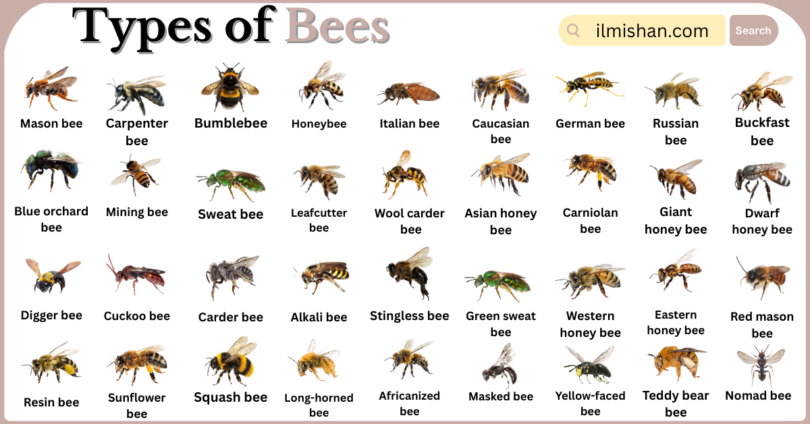

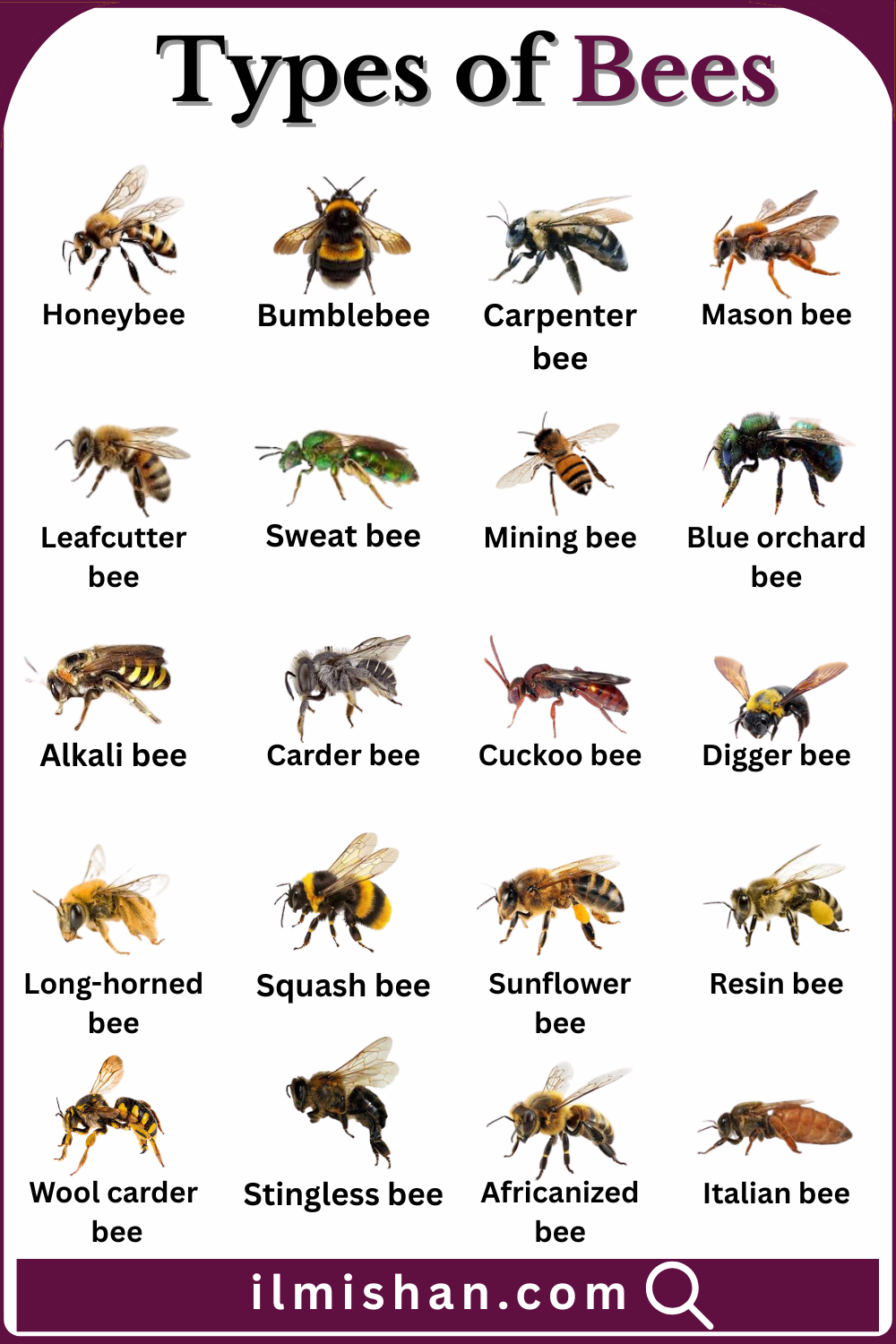
Bees are fascinating insects that play a vital role in nature by helping plants grow through pollination. There are many different bee breeds, and each one has its own size, behavior, and importance in the ecosystem. Learning the names of bee breeds in English helps students and nature lovers understand how diverse and useful these insects are. In this article, you will learn common types of bees breeds with names in English and clear pictures. These images make it easier to identify each breed and learn about their role in nature in a simple and engaging way.
Table of Contents
ToggleType of Bees Breeds with Names
- Honeybee
- Bumblebee
- Carpenter bee
- Mason bee
- Leafcutter bee
- Sweat bee
- Mining bee
- Blue orchard bee
- Alkali bee
- Carder bee
- Cuckoo bee
- Digger bee
- Long-horned bee
- Squash bee
- Sunflower bee
- Resin bee
- Wool carder bee
- Stingless bee
- Africanized bee
- Italian bee
Common Types of Bees Breeds with their Names and Pictures
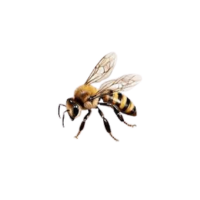
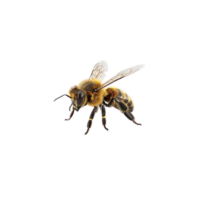
- Honeybee
Social bee living in organized colonies, famous for producing honey and beeswax, and extremely important for pollinating crops, fruits, vegetables, and wild flowering plants worldwide.
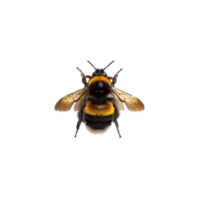
- Bumblebee
Large, hairy bee with a loud buzz, capable of flying in cool weather, and highly effective at pollinating flowers, fruits, vegetables, and greenhouse crops.
- Carpenter bee
Mostly solitary bee that drills tunnels into wood to build nests, helps pollinate flowers, and is often confused with bumblebees because of similar size.
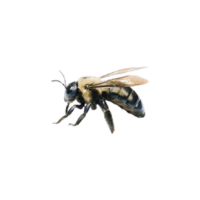
- Mason bee
Gentle solitary bee that nests in hollow spaces, uses mud to seal nest chambers, and is an excellent pollinator of early spring flowers and fruit trees.
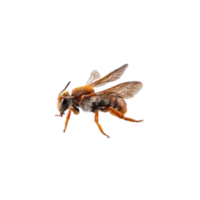
- Leafcutter bee
Non-aggressive solitary bee that cuts small leaf pieces to line nests and plays a major role in pollinating crops, gardens, and wild plants.
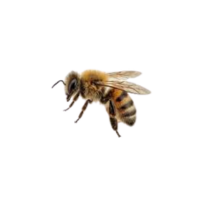
- Sweat bee
Small, shiny bee attracted to human sweat, usually harmless, and contributes to pollination of many wildflowers and agricultural plants.
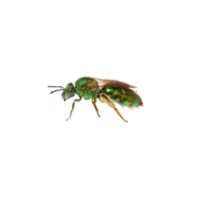
- Mining bee
Ground-nesting solitary bee that digs tunnels in soil, appears mainly in spring, and supports pollination of early blooming plants.
- Blue orchard bee
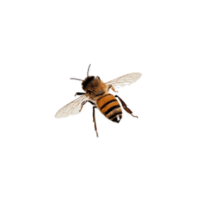
Metallic blue solitary bee known for efficient pollination of fruit trees such as apples and almonds, nesting in natural cavities.
- Alkali bee
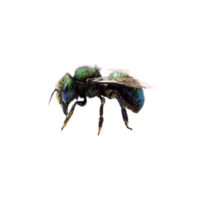
Ground-nesting bee that prefers salty or alkaline soils and is widely used for effective pollination of alfalfa crops.
- Carder bee
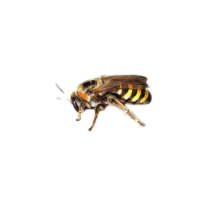
Bee that gathers plant fibers to line nests, commonly found in gardens, and actively pollinates a wide variety of flowering plants.
- Cuckoo bee
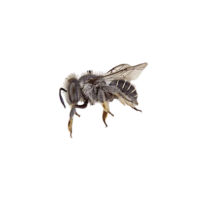
Parasitic bee that lays eggs in other bees’ nests, does not collect pollen, and relies on host bees to raise its young.
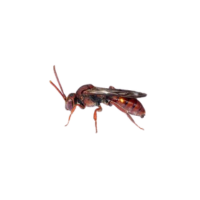
- Digger bee
Solitary bee that excavates burrows in sandy or loose soil, active during warm months, and aids in natural plant pollination.
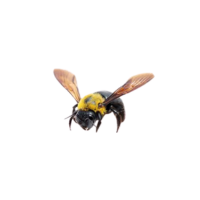
- Long-horned bee
Bee named for its long antennae, especially in males, nests in soil, and frequently pollinates sunflowers and wild plants.
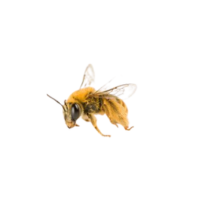
- Squash bee
Specialized bee that pollinates squash and pumpkin flowers, active early morning, and nests in soil near crop fields.
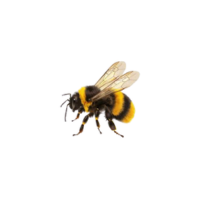
- Sunflower bee
Bee closely associated with sunflower plants, feeding on their pollen and nectar, and improving sunflower seed production.
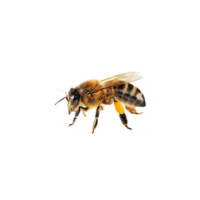
- Resin bee
Solitary bee that uses sticky plant resins to build nests, often nesting in holes, and pollinating nearby flowering plants.
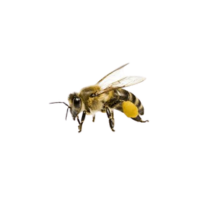
- Wool carder bee
Bee that collects soft plant hairs for nest building, shows territorial behavior, and commonly visits garden flowers.
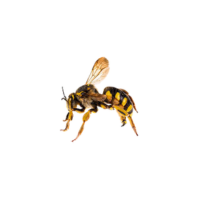
- Stingless bee
Small tropical bee without a functional sting, living in colonies, producing honey, and supporting tropical ecosystems through pollination.
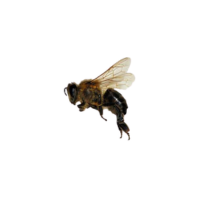
- Africanized bee
Hybrid honeybee known for strong defensive behavior, high activity levels, and successful survival in warm climates.
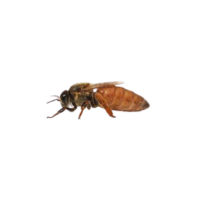
- Italian bee
Popular honeybee variety valued for gentle temperament, strong honey production, and widespread use in modern beekeeping.
Common Types of Bees Breeds with their Names and Pictures
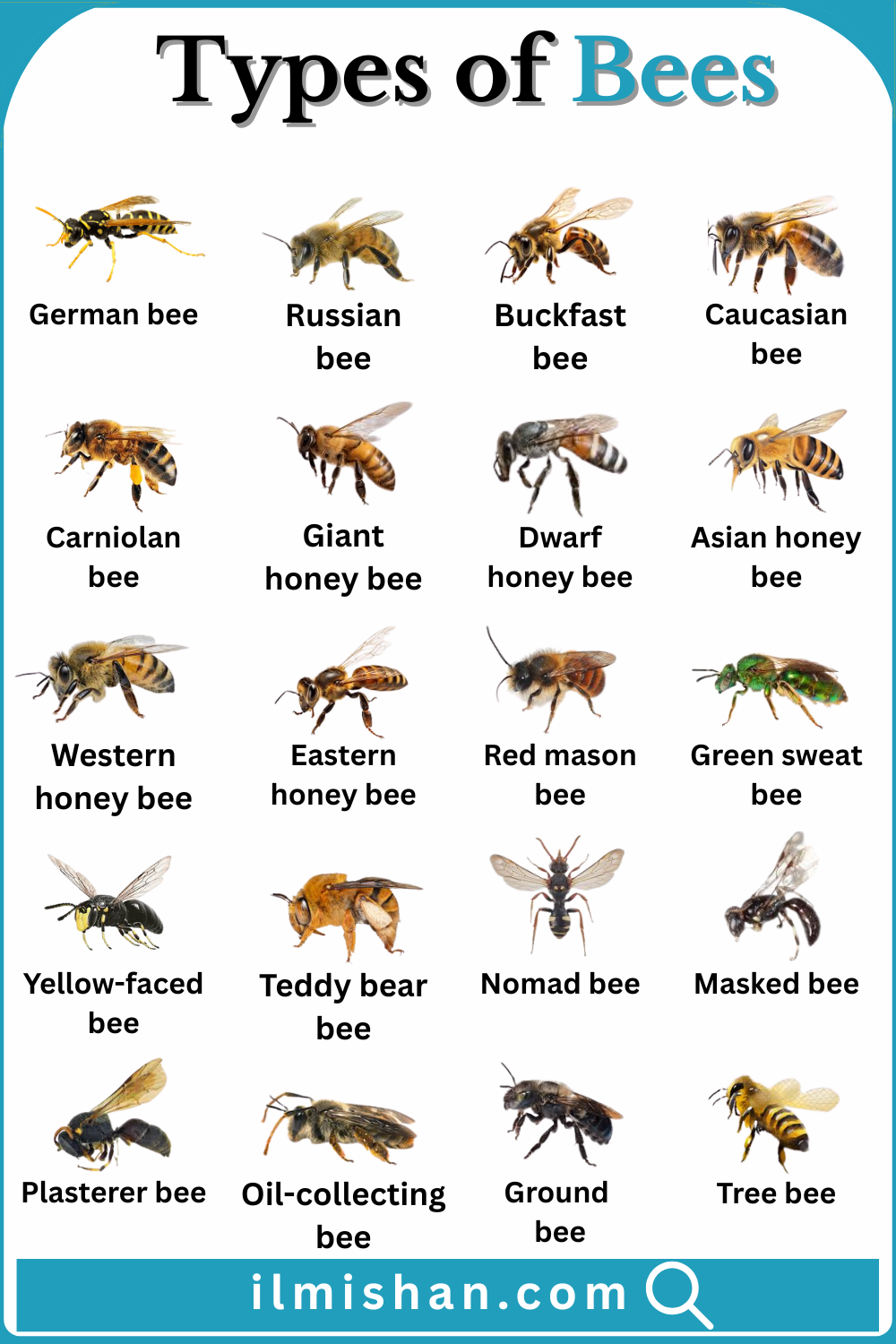
Common Bee Breeds Types and Name
- German bee
- Russian bee
- Buckfast bee
- Caucasian bee
- Carniolan bee
- Giant honey bee
- Dwarf honey bee
- Asian honey bee
- Western honey bee
- Eastern honey bee
- Red mason bee
- Green sweat bee
- Yellow-faced bee
- Teddy bear bee
- Nomad bee
- Masked bee
- Plasterer bee
- Oil-collecting bee
- Ground bee
- Tree bee
Explore Bees Breeds Types and Names
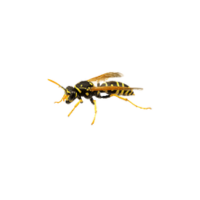
- German bee
Honeybee strain from Germany known for balanced temperament, steady honey production, and good adaptation to temperate climates, often used in managed beekeeping.
- Russian bee
Hardy honeybee bred for resistance to mites, capable of surviving cold winters, and valued for strong disease tolerance and efficient colony management.
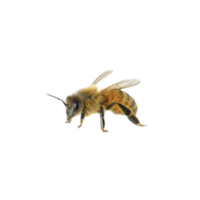
- Buckfast bee
Carefully bred honeybee famous for gentle behavior, high honey yield, strong health, and adaptability to different climates and beekeeping conditions.
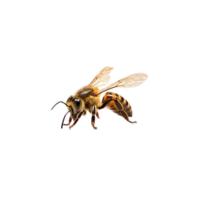
- Caucasian bee
Honeybee with long tongue length, excellent at collecting nectar from deep flowers, gentle nature, and notable production of propolis.
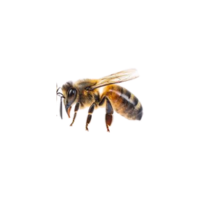
- Carniolan bee
Gray-colored honeybee known for calm temperament, rapid spring buildup, efficient honey use, and strong adaptation to colder environments.
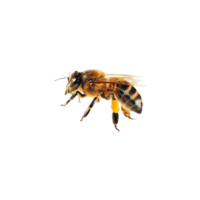
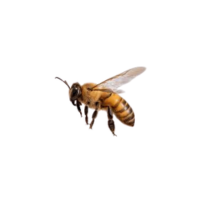
- Giant honey bee
Largest honeybee species that builds single open combs on cliffs or trees, produces honey, and is common in parts of South and Southeast Asia.
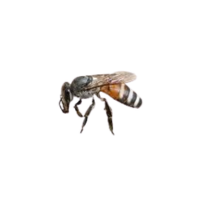
- Dwarf honey bee
Small honeybee species that nests in open areas, produces limited honey, and plays an important role in pollination within tropical regions.
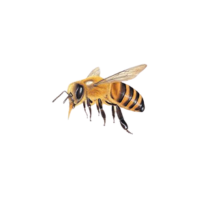
- Asian honey bee
Native honeybee of Asia adapted to local climates, nesting habits, and predators, commonly kept by traditional beekeepers for honey and pollination.
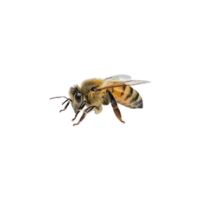
- Western honey bee
Most widely kept honeybee worldwide, essential for crop pollination, honey production, and modern commercial beekeeping practices.
- Eastern honey bee
Asian honeybee species known for natural resistance to pests, smaller colony size, and traditional use in local honey production.
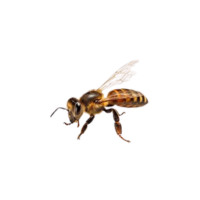
- Red mason bee
Solitary bee with reddish body, nests in hollow stems or holes, and is an excellent pollinator of fruit trees and spring flowers.
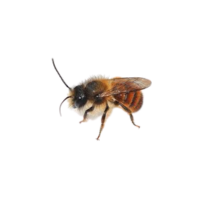
- Green sweat bee
Small metallic green bee attracted to sweat, generally harmless, and important for pollinating wild plants and garden flowers.
- Yellow-faced bee
Slender bee with yellow facial markings, nests in stems or soil, and contributes quietly to pollination of native plants.
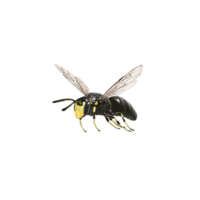
- Teddy bear bee
Fuzzy-looking solitary bee resembling a teddy bear, nests in soil, and actively pollinates flowers during warm seasons.
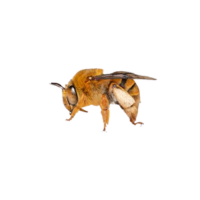
- Nomad bee
Parasitic bee that lays eggs in other bees’ nests, does not gather pollen, and depends on host species for survival.
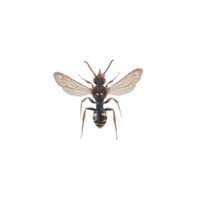
- Masked bee
Small bee with pale facial markings, carries pollen internally, nests in hollow stems, and pollinates a variety of wild plants.
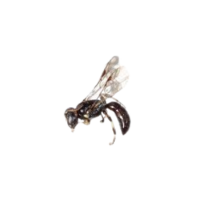
- Plasterer bee
Solitary bee that lines nests with waterproof secretions, often nests in soil, and supports pollination of flowering plants.
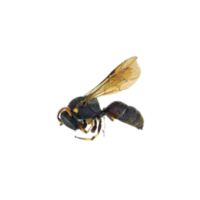
- Oil-collecting bee
Specialized bee that gathers floral oils instead of nectar, using them for nest building and larval food, pollinating specific plant species.
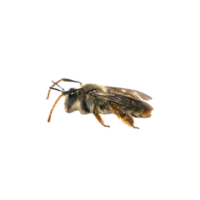
- Ground bee
Bee that nests underground in soil tunnels, usually solitary or semi-social, and contributes significantly to local plant pollination.
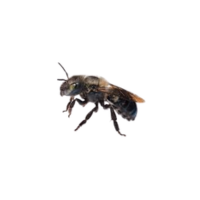
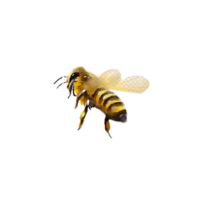
- Tree bee
Bee species that nests in tree cavities or high places, adapts well to urban areas, and actively pollinates flowering trees and plants.
Explore Bees Breeds Types and Names