
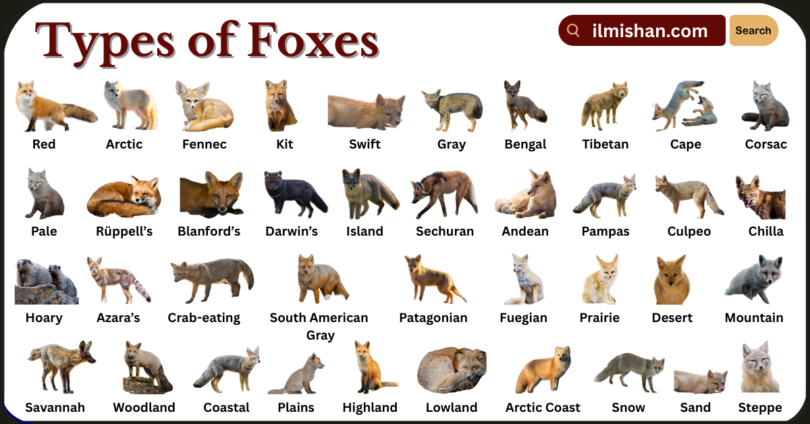

Foxes are some of the most fascinating wild animals in the world. Known for their sharp intelligence, beautiful fur, and ability to survive in many different environments, foxes are found on almost every continent. From icy Arctic regions to hot deserts and dense forests, each type of fox has its own unique look and lifestyle. In this article, we’ll learn the different types of foxes with their names in English, along with clear and meaningful details about where they live, how they look, and what makes each one special. This guide is written in simple language, making it easy to understand for students, animal lovers, and curious readers alike.
List of Foxes Names in English
- Red Fox
- Arctic Fox
- Fennec Fox
- Kit Fox
- Swift Fox
- Gray Fox
- Bengal Fox
- Tibetan Fox
- Cape Fox
- Corsac Fox
- Pale Fox
- Rüppell’s Fox
- Blanford’s Fox
- Darwin’s Fox
- Island Fox
- Sechuran Fox
- Andean Fox
- Pampas Fox
- Culpeo Fox
- Chilla Fox
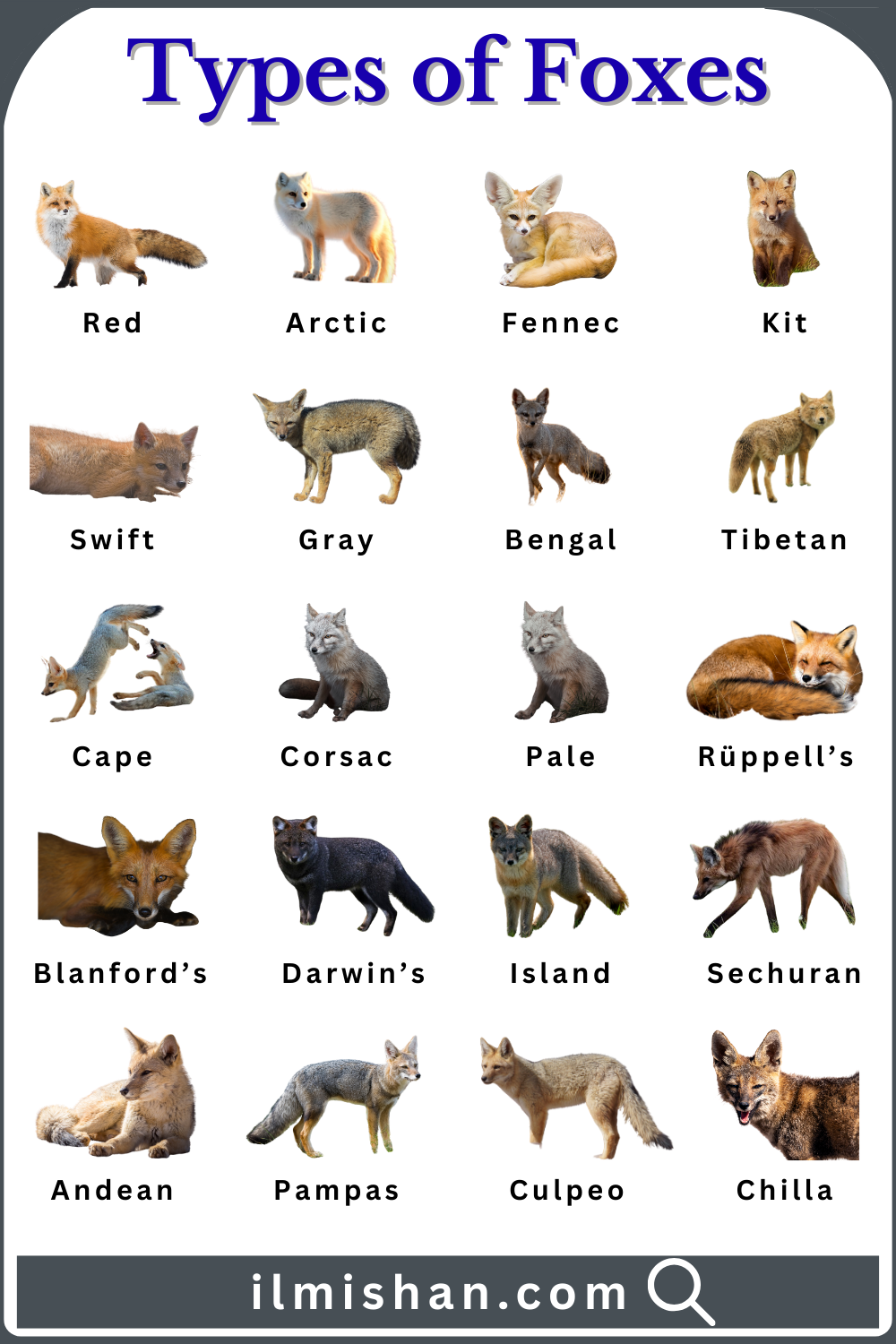
Types of Foxes with Names in English and Pictures
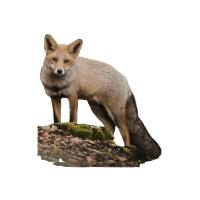
- Red Fox
The most widespread fox species, known for red fur, bushy tail, and high adaptability, living in forests, grasslands, mountains, deserts, and even near human settlements worldwide.
- Arctic Fox
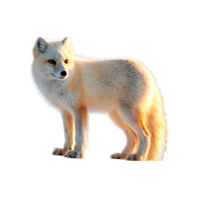
A cold-adapted fox with thick white winter fur and brown summer coat, living in Arctic tundra, surviving extreme temperatures, and feeding on small animals, birds, and scavenged remains.
- Fennec Fox
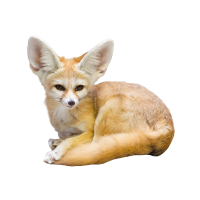
A very small desert fox with huge ears, pale sandy fur, and nocturnal habits, native to North African deserts, using its ears for cooling and hearing underground prey.
- Kit Fox
A small, slender fox of North American deserts and grasslands, with large ears, light gray coat, and excellent digging ability, mainly active at night to avoid heat.
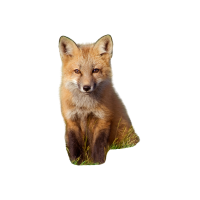
- Swift Fox
A fast-moving fox native to North American prairies, with pale tan fur, short legs, and keen eyesight, relying on speed to escape predators and catch small prey.
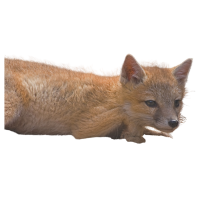
- Gray Fox
A fox with grizzled gray fur and rusty sides, found in North and Central America, unique for its ability to climb trees using strong, curved claws.
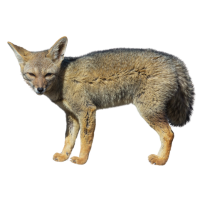
- Bengal Fox
A small fox native to the Indian subcontinent, with grayish coat and black-tipped tail, living in open plains and scrublands, feeding on insects, rodents, and fruits.
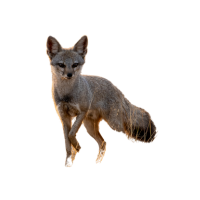
- Tibetan Fox
A fox of the Tibetan Plateau, recognized by its square face and thick fur, adapted to high altitudes, mainly hunting pikas and small mammals in cold grasslands.
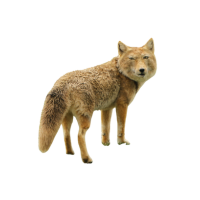
- Cape Fox
A small African fox with silver-gray fur and large ears, found in southern Africa, living in open habitats, and feeding mostly on insects, rodents, and small birds.
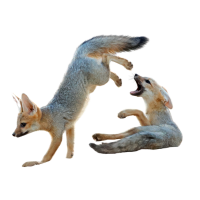
- Corsac Fox
A nomadic fox from Central Asian steppes, with pale yellow-gray fur, known for seasonal movements, burrow dwelling, and survival in dry, cold environments with limited food.
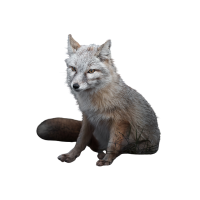
- Pale Fox
A light-colored desert fox of the Sahel region in Africa, with sandy fur and long legs, adapted to hot climates and mainly feeding on insects and small animals.
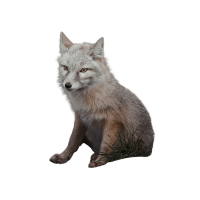
- Rüppell’s Fox
A desert-dwelling fox of North Africa and the Middle East, with sandy fur, black-tipped tail, and excellent night vision, adapted for life in extreme arid environments.
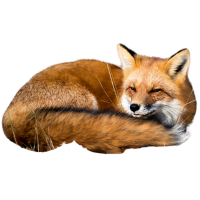
- Blanford’s Fox
A small fox found in rocky deserts of the Middle East and Central Asia, with bushy tail and agile body, skilled at climbing cliffs and feeding on fruits and insects.
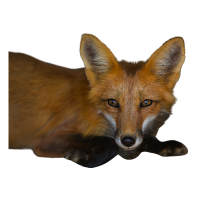
- Darwin’s Fox
A rare fox native to Chile, with dark gray coat and shy nature, living in forests, and considered endangered due to habitat loss and limited population range.
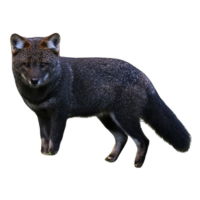
- Island Fox
A small fox species native to California’s Channel Islands, evolved from mainland foxes, with reduced body size, diverse coat colors, and strong adaptation to island environments.
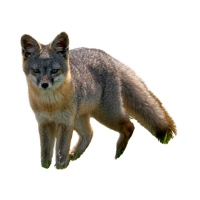
- Sechuran Fox
A name sometimes used for steppe-dwelling foxes of northern China, generally referring to fox populations adapted to open, dry grasslands rather than a separate biological species.
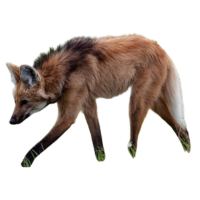
- Andean Fox
A South American fox living along the Andes Mountains, with gray and reddish fur, adaptable diet, and ability to survive in mountains, valleys, and semi-desert regions.
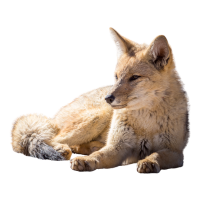
- Pampas Fox
A medium-sized South American fox of grasslands and plains, with gray coat and bushy tail, feeding on small mammals, birds, insects, and plant material.
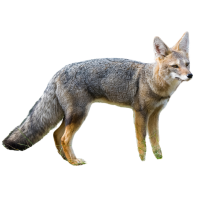
- Culpeo Fox
One of the largest South American foxes, with reddish-gray fur, strong build, and broad diet, living in mountains, forests, and open landscapes across western South America.
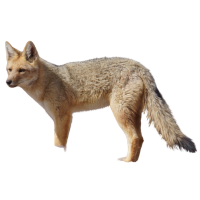
- Chilla Fox
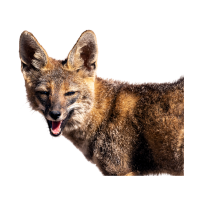
A smaller relative of the culpeo, found in southern South America, with grayish fur and slender build, adapted to forests and shrublands, feeding on small animals.
Types of Foxes with Names in English and Pictures
Name List of Foxes in English
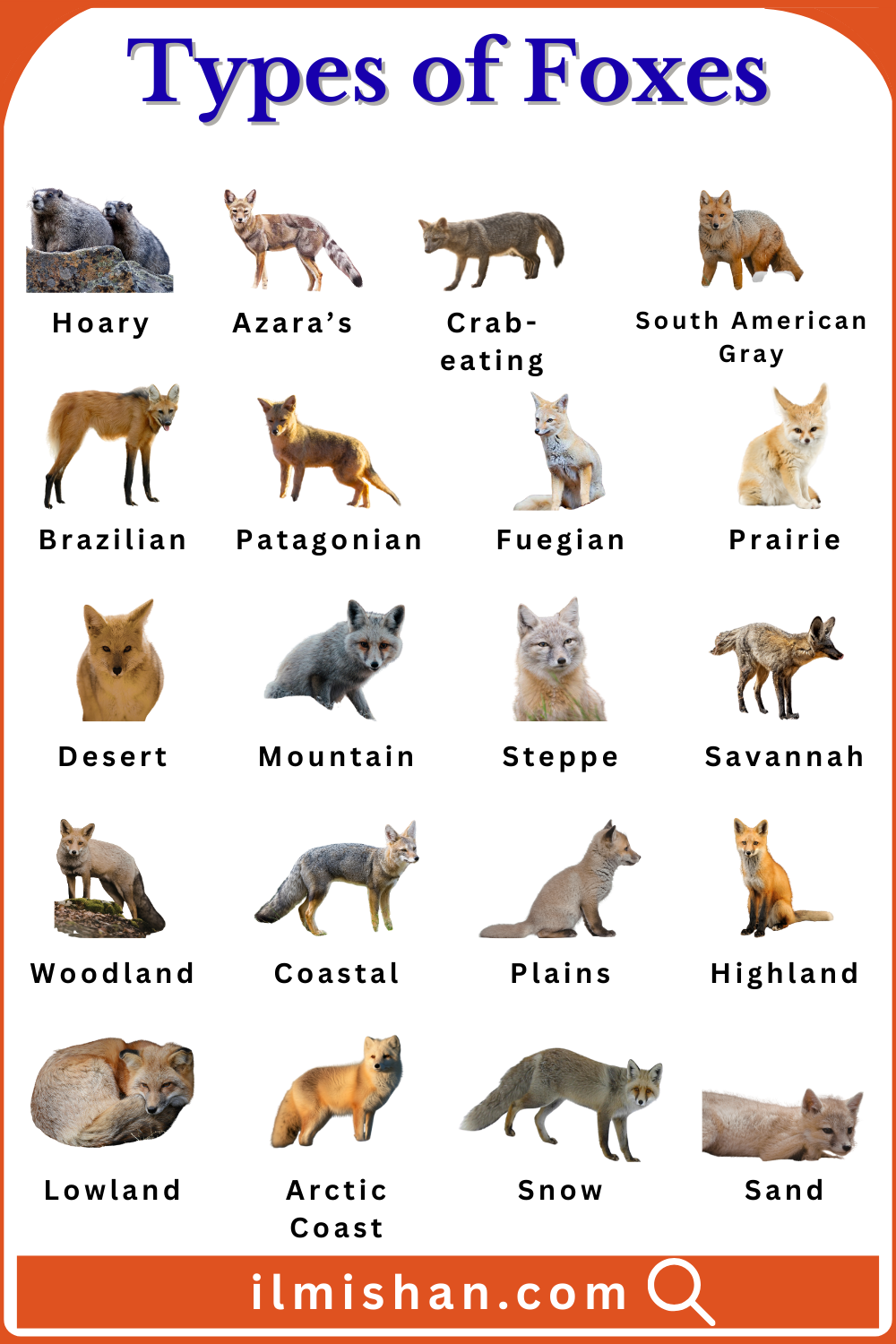
- Hoary Fox
- Azara’s Fox
- Crab-eating Fox
- South American Gray Fox
- Brazilian Fox
- Patagonian Fox
- Fuegian Fox
- Prairie Fox
- Desert Fox
- Mountain Fox
- Steppe Fox
- Savannah Fox
- Woodland Fox
- Coastal Fox
- Plains Fox
- Highland Fox
- Lowland Fox
- Arctic Coast Fox
- Snow Fox
- Sand Fox
Different Types of Foxes with Names in English with Images
- Hoary Fox
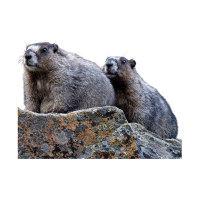
A Brazilian fox with grayish coat and black legs, native to savannas, mainly feeding on insects, fruits, and small vertebrates, and active mostly during nighttime hours.
- Azara’s Fox
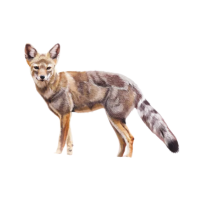
Also known as the pampas fox in some regions, a South American fox inhabiting grasslands and forests, with gray-brown coat and adaptable feeding behavior.
- Crab-eating Fox
A South American fox adapted to wetlands, forests, and savannas, named for its habit of eating crabs, along with fruits, insects, and small animals.
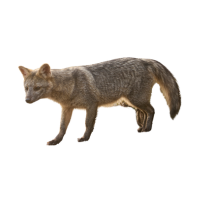
- South American Gray Fox
A general name for gray-coated foxes of South America, especially the chilla, known for adaptability, omnivorous diet, and ability to live near human-modified landscapes.
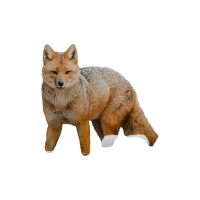
- Brazilian Fox
A common name for the hoary fox or similar species in Brazil, referring to foxes adapted to savannas and grasslands rather than a distinct scientific species.
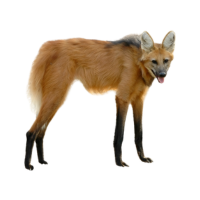
- Patagonian Fox
A regional name used for foxes like the culpeo and chilla in Patagonia, describing their geographic location rather than indicating a separate biological species.
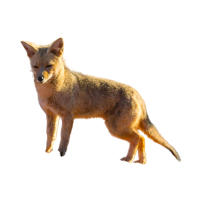
- Fuegian Fox
A local name for foxes living in Tierra del Fuego, mainly referring to culpeo populations adapted to cold southern climates and rugged landscapes.
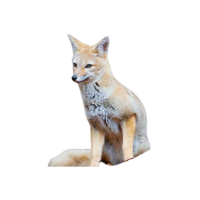
- Prairie Fox
A general habitat-based name often applied to swift or kit foxes, referring to foxes living in open prairies rather than a formally recognized fox species.
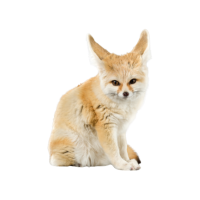
- Desert Fox
A broad term for foxes adapted to desert environments, such as fennec or kit foxes, highlighting habitat preference instead of identifying a single scientific species.
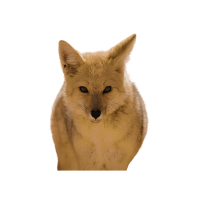
- Mountain Fox
A descriptive name for foxes living in mountainous regions, including red or Andean foxes, indicating terrain adaptation rather than a separate species classification.
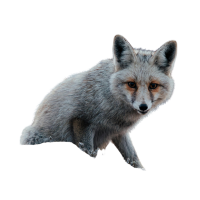
- Steppe Fox
A common reference to foxes like the corsac fox inhabiting Eurasian steppes, characterized by pale fur, nomadic tendencies, and survival in open, dry grasslands.
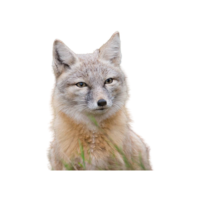
- Savannah Fox
A habitat-based term for foxes living in savannahs, such as the hoary or crab-eating fox, describing environment rather than defining a unique fox species.
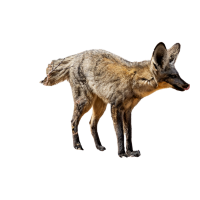
- Woodland Fox
A general term for foxes living in forested areas, commonly referring to red or gray foxes, emphasizing habitat choice instead of biological distinction.
- Coastal Fox
A descriptive name for fox populations living near coastlines, such as island or mainland red foxes, adapted to marine-influenced environments and diverse food sources.
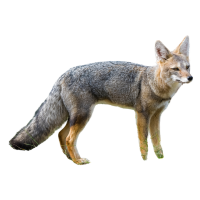
- Plains Fox
A non-scientific name for foxes inhabiting flat grasslands and plains, often referring to species like the Bengal or swift fox.
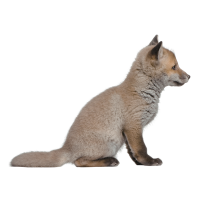
- Highland Fox
A general term used for foxes living in high-elevation areas, such as Tibetan or Andean foxes, describing altitude preference rather than species identity.
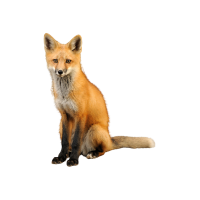
- Lowland Fox
A descriptive term for foxes living in low-lying areas like plains and valleys, usually referring to widespread species such as the red fox.
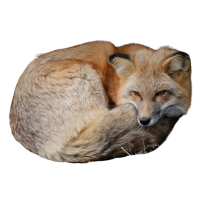
- Arctic Coast Fox
A regional description for Arctic fox populations living near coastal tundra, feeding on seabirds, fish remains, and marine-influenced food sources.
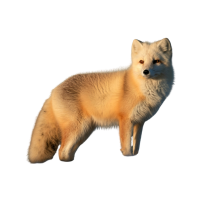
- Snow Fox
Another common name for the Arctic fox, highlighting its white winter fur camouflage used for survival in snowy tundra landscapes.
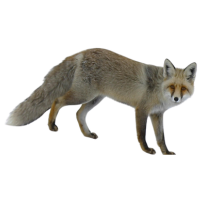
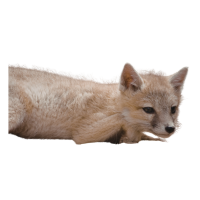
- Sand Fox
A general term applied to desert foxes with sandy-colored fur, such as fennec or Rüppell’s fox, describing coat color and habitat, not a separate species.
Different Types of Foxes Names in English with Images
Learn more helpful articles