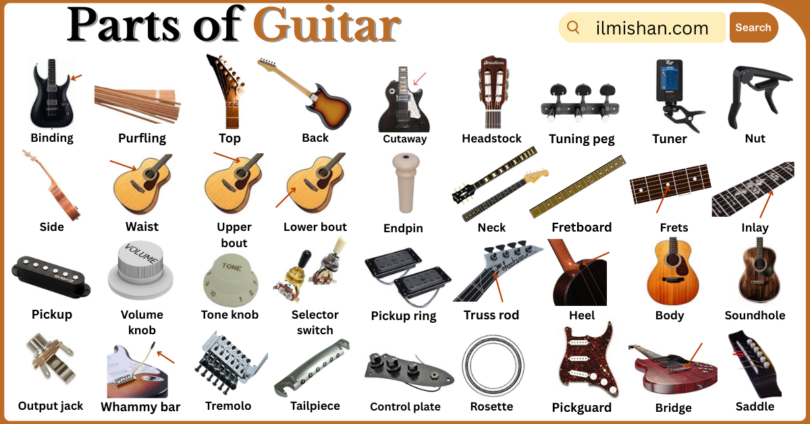

A guitar is a popular musical instrument used in many styles of music around the world, from classical and folk to rock and pop. It is made up of several important parts, and each part has a specific name and function that helps produce sound. From the headstock and tuning pegs to the neck, frets, and body, every section of the guitar works together to create clear and beautiful music. In this article, you will learn Parts of Guitar with Names in English with Pictures to help you easily identify and understand each part. This simple guide will improve your vocabulary and give you basic knowledge about the structure of this well-known musical instrument in easy and clear language.
Table of Contents
ToggleParts of Guitar with Names list
- Headstock
- Tuning peg
- Tuner
- Nut
- Neck
- Fretboard
- Frets
- Inlay
- Truss rod
- Heel
- Body
- Soundhole
- Rosette
- Pickguard
- Bridge
- Saddle
- Strings
- Strap button
- Endpin
- Cutaway
Guitar Parts Names in English with there Pictures
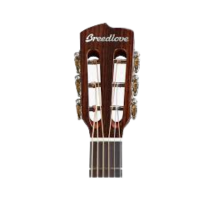
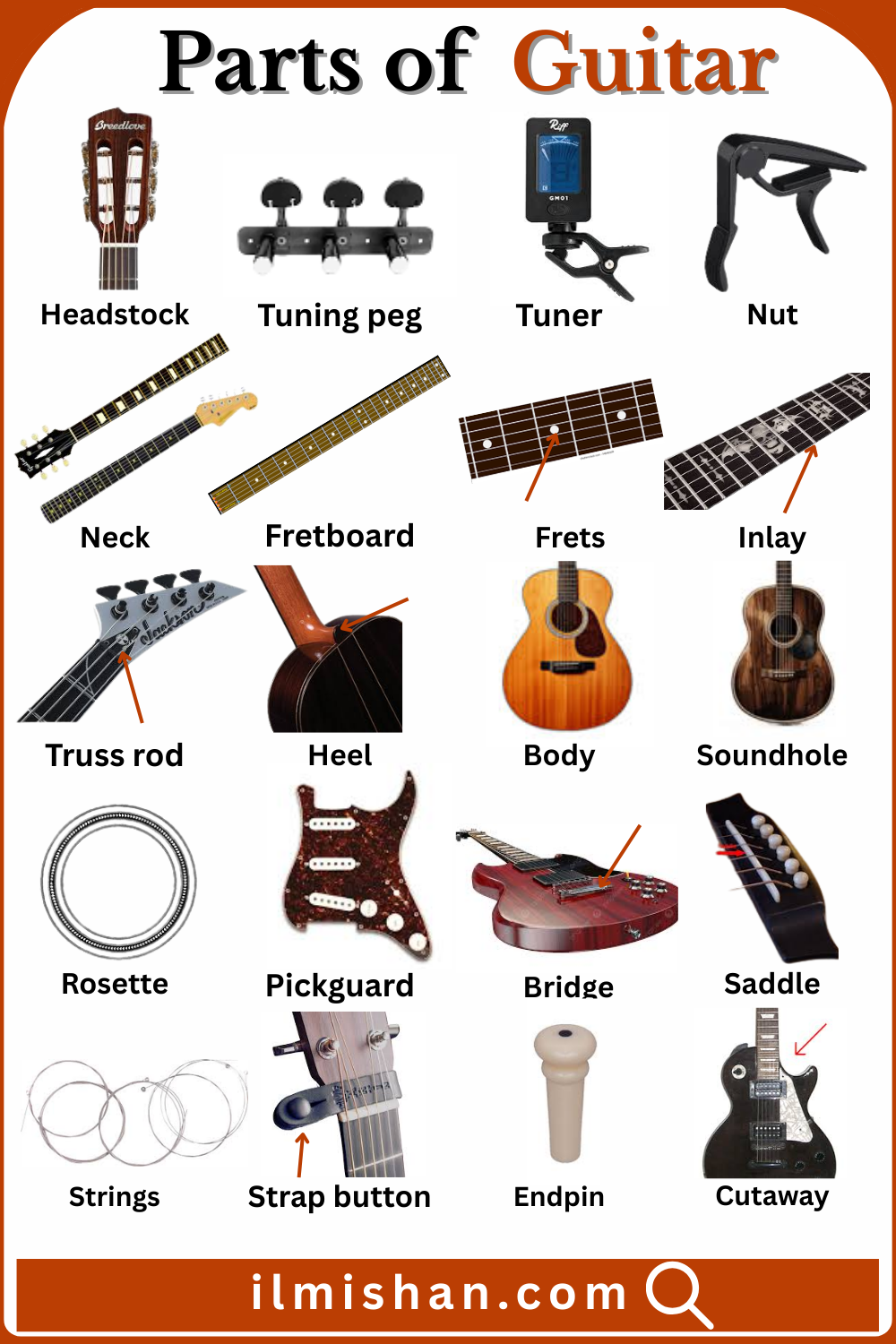
- Headstock
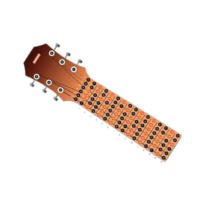
Top section of the guitar attached to the neck that holds the tuning pegs. It supports string tension and keeps the strings properly aligned from the nut to the tuners.
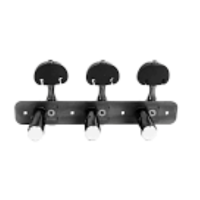
- Tuning peg
Small rotating key fixed on the headstock used to tighten or loosen a string. Turning it changes string tension, which raises or lowers the pitch of the note.
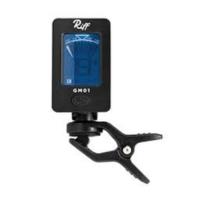
- Tuner
Mechanical device attached to the headstock that includes gears and a tuning peg. It allows accurate adjustment of string tension to keep the instrument properly tuned.
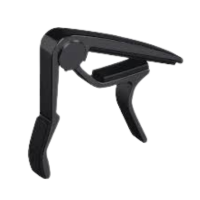
- Nut
Small narrow strip placed at the end of the fretboard near the headstock. It holds the strings in correct position and spacing while guiding them toward the tuning pegs.
- Neck
Long wooden part connecting the headstock to the body. It supports the fretboard and allows the player to press strings at different positions to produce notes.
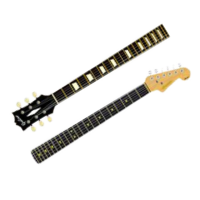
- Fretboard
Flat wooden surface fixed on top of the neck where the strings run. It contains frets and guides finger placement to create different musical notes.
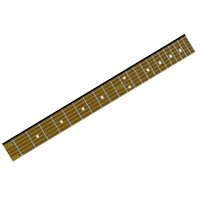
- Frets
Thin metal strips embedded across the fretboard at measured distances. Pressing a string against them shortens its length and changes the pitch.
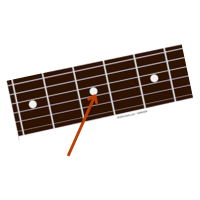
- Inlay
Decorative markers set into the fretboard, usually as dots or shapes. They help players identify fret positions quickly while adding visual style.
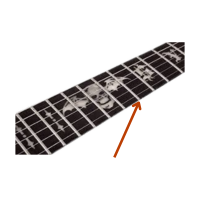
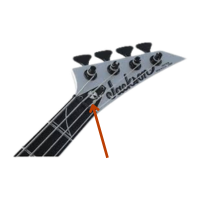
- Truss rod
Metal rod hidden inside the neck that controls its straightness. It balances string tension and prevents bending or warping over time.
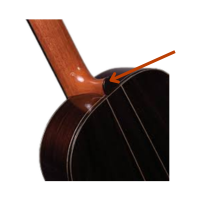
- Heel
Thick curved portion where the neck joins the body. It strengthens the connection and supports the overall structure of the instrument.
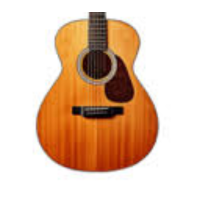
- Body
Large hollow or solid main part of the guitar that produces and amplifies sound. It supports the bridge, soundhole, and other important components.
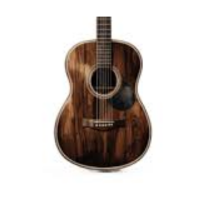
- Soundhole
Round opening on the front of an acoustic guitar body that allows sound vibrations to project outward clearly and strongly.
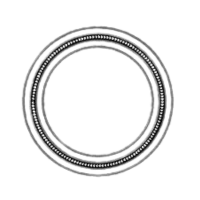
- Rosette
Decorative circular design around the soundhole that strengthens the wood and adds visual beauty to the instrument’s appearance.
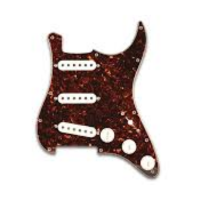
- Pickguard
Protective flat piece placed on the body below the soundhole. It prevents scratches caused by a pick or fingers during playing.
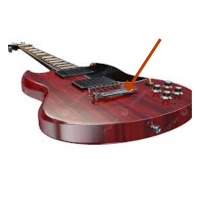
- Bridge
Wooden piece fixed on the body that holds the strings in place. It transfers string vibrations to the body to produce sound.
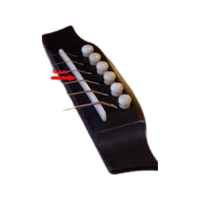
- Saddle
Small raised strip placed on top of the bridge that supports the strings. It helps set proper string height and improves sound vibration.
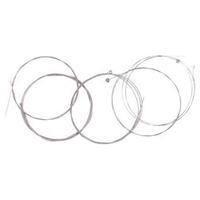
- Strings
Metal or nylon wires stretched from the headstock to the bridge. When plucked or strummed, they vibrate to create musical notes.
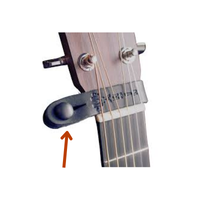
- Strap button
Small metal knob attached to the body that secures a guitar strap, allowing the player to hold and play the instrument while standing.
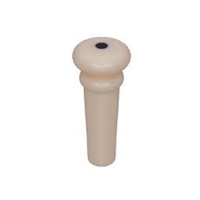
- Endpin
Rounded pin located at the bottom of the guitar body, often used to attach a strap and sometimes to hold electronic output parts in acoustic-electric models.
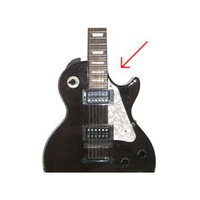
- Cutaway
Curved indentation on the upper part of the guitar body near the neck. It allows easier access to higher frets for playing high notes comfortably.
Guitar Parts Names in English with there Pictures
Explore Guitar parts and Name
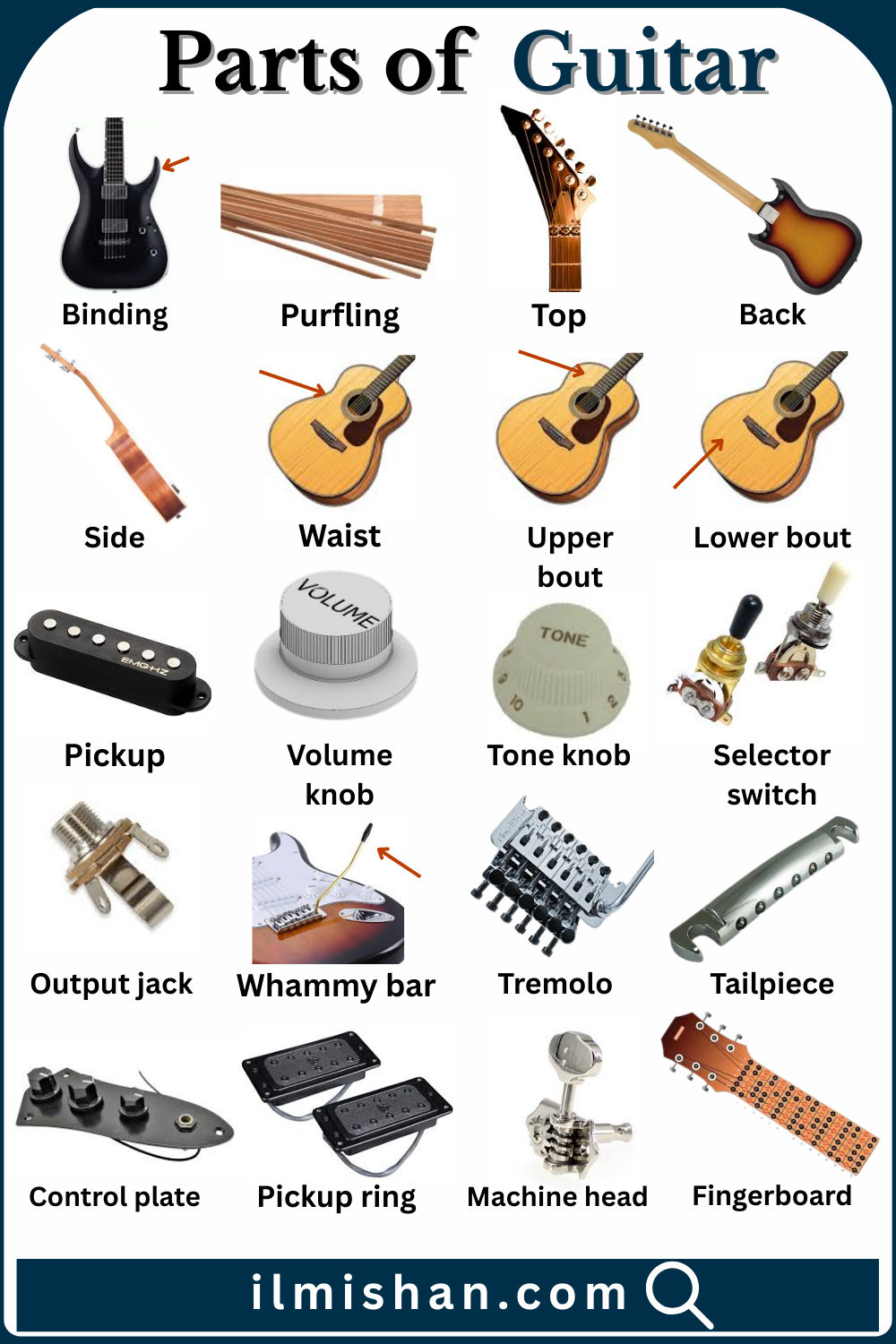
- Binding
- Purfling
- Top
- Back
- Side
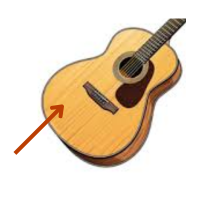
- Waist
- Upper bout
- Lower bout
- Pickup
- Volume knob
- Tone knob
- Selector switch
- Output jack
- Whammy bar
- Tremolo
- Tailpiece
- Control plate
- Pickup ring
- Machine head
- Fingerboard
Common Parts of Guitar with their Names and Pictures
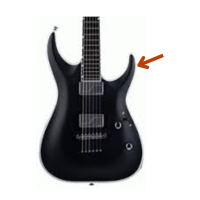
- Binding
Thin strip of material fitted along the edges of the guitar body and sometimes the neck. It protects the wood from damage and gives the instrument a neat finished appearance.
- Purfling
Narrow decorative inlaid lines placed near the edges of the guitar top or back. Besides decoration, it helps reduce cracking by strengthening the wood against small splits.
- Top
Front surface of the guitar body where the strings vibrate above. In acoustic guitars, it plays the main role in producing and shaping the sound.
- Back
Rear wooden panel of the guitar body that reflects and supports sound vibrations. It also adds strength to the body structure and influences overall tone quality.
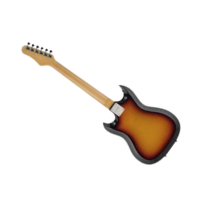
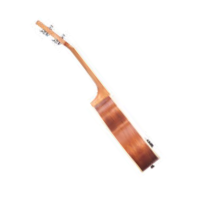
- Side
Curved wooden sections connecting the top and back of the guitar body. They form the depth of the instrument and help shape its sound chamber.
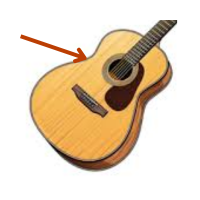
- Waist
Narrow middle part of the guitar body between the upper and lower bouts. It makes the instrument comfortable to hold and affects sound resonance.
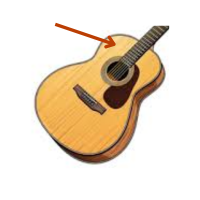
- Upper bout
Upper curved section of the guitar body located above the waist near the neck joint. It contributes to balance and tone.
- Lower bout
Largest and widest curved part of the guitar body below the waist. It produces deeper tones and supports stronger sound projection.
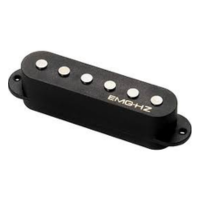
- Pickup
Magnetic or electronic device placed under or near the strings on electric guitars. It captures string vibrations and converts them into electrical signals.
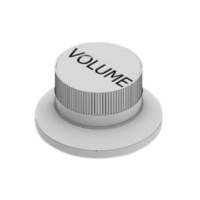
- Volume knob
Rotating control on electric guitars that adjusts the loudness of the sound output without changing tone.
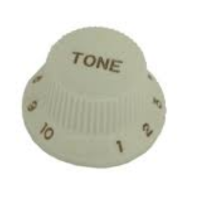
- Tone knob
Control dial that adjusts the brightness or warmth of the guitar’s sound by filtering high frequencies.
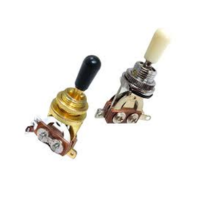
- Selector switch
Small switch used to choose between different pickups or pickup combinations, changing the sound character instantly.
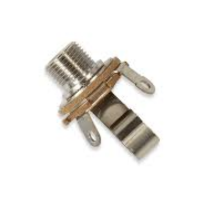
- Output jack
Metal socket on the guitar body where the cable is plugged in to send the electrical signal to an amplifier.
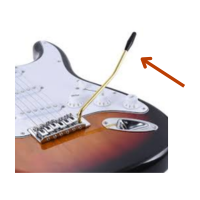
- Whammy bar
Removable metal arm attached to the bridge that allows players to change string tension temporarily for vibrato effects.
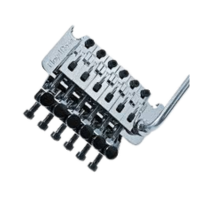
- Tremolo
Bridge system that enables controlled variation of string tension to create pitch changes or vibrato sound effects.
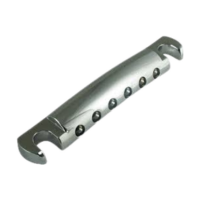
- Tailpiece
Metal component on some guitars that anchors the strings at the lower end of the body, separate from the bridge.
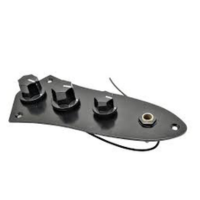
- Control plate
Flat metal or plastic plate that holds electronic controls such as knobs and switches on electric guitars.
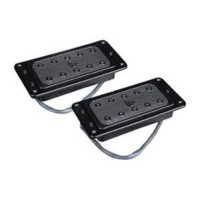
- Pickup ring
Plastic or metal frame surrounding a pickup, securing it in position and adjusting its height.
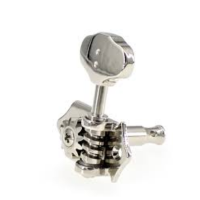
- Machine head
Geared tuning mechanism mounted on the headstock that tightens or loosens strings for accurate tuning.
- Fingerboard
Smooth wooden surface attached to the neck where the strings are pressed to form notes, also known as the fretboard.
Common Parts of Guitar with their Names and Pictures