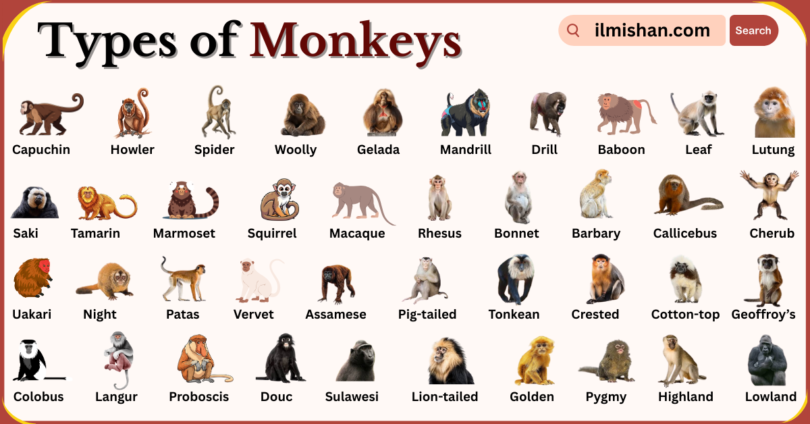

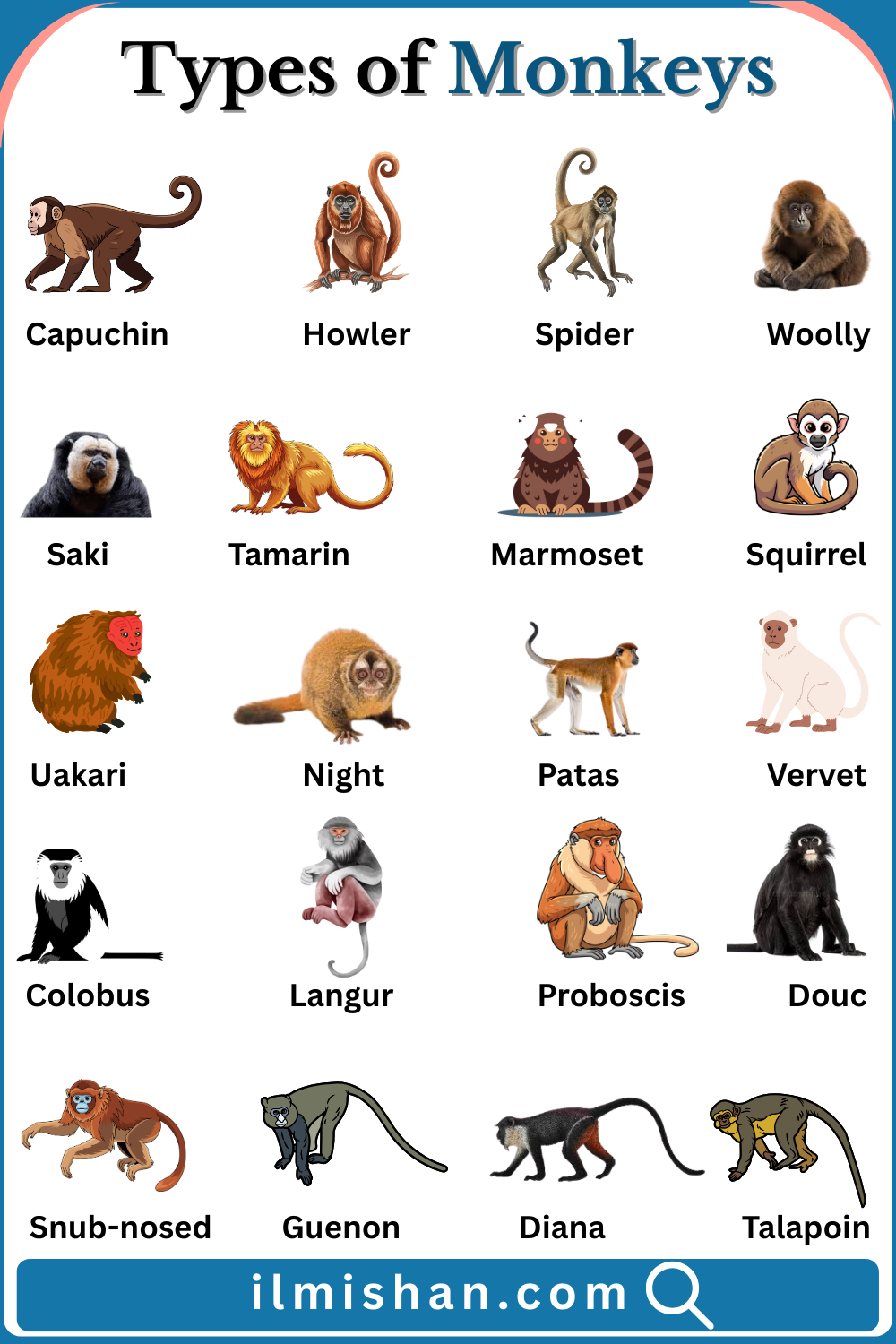
- Capuchin
- Howler
- Spider
- Woolly
- Saki
- Tamarin
- Marmoset
- Squirrel
- Uakari
- Night
- Patas
- Vervet
- Colobus
- Langur
- Proboscis
- Douc
- Snub-nosed
- Guenon
- Diana
- Talapoin
Types of Monkeys Breeds Names in English With Pictures
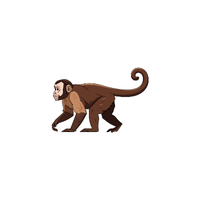
- Capuchin
A smart, active species known for tool use and problem-solving. It lives in forests, forms social groups, and eats fruits, insects, and small animals while moving quickly through branches.
- Howler
A large, tree-dwelling species famous for its deep, echoing calls. It lives in tropical forests, travels in groups, and feeds mostly on leaves, fruits, and tender shoots.
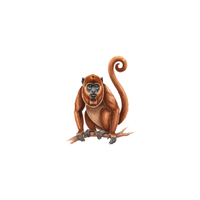
- Spider
A slender species with long limbs and a strong prehensile tail. It moves easily through high canopy branches, lives in large groups, and eats fruits, seeds, and young leaves.
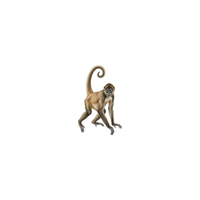
- Woolly
A thick-furred species found in cloud and rainforests. It uses its strong tail for balance, forms close social groups, and feeds on fruits, leaves, and seeds high in the canopy.
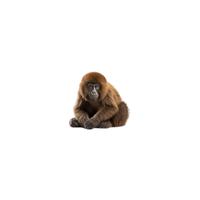
- Saki
A shy forest species with a fluffy coat and strong jaws. It feeds on hard fruits, seeds, and insects, moving quickly through trees while avoiding predators.

- Tamarin
A small species with bright colors or distinct facial hair. It lives in family groups, cares cooperatively for infants, and eats fruit, insects, tree sap, and small vertebrates.

- Marmoset
A tiny species known for claw-like nails used for climbing. It feeds on tree sap, insects, and fruit and lives in tight family units with shared care of young.
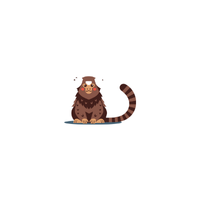
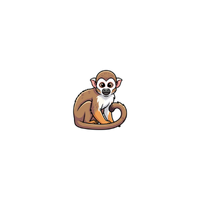
- Squirrel
A small, fast species with a long tail and expressive face. It lives in forest canopies, eats fruits and insects, and communicates through chirps and quick body signals.
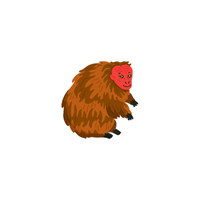
- Uakari
A rainforest species recognized for its bright, bare face and short tail. It travels in groups, feeds on fruits and seeds, and prefers flooded forest regions.
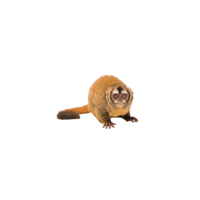
- Night
A nocturnal species with large eyes for seeing in the dark. It lives in tree hollows, pairs for life, and feeds on insects, fruit, and small animals.
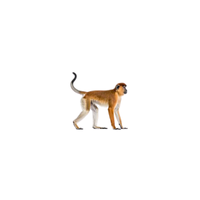
- Patas
A ground-running species known for great speed. It lives in open savannas, eats fruit, insects, and roots, and uses tall trees mainly for sleeping or safety.
- Vervet
A social, agile species common in African woodlands. It feeds on fruits, leaves, insects, and seeds and communicates through complex calls and facial expressions.
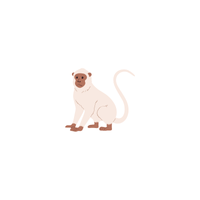
- Colobus
A leaf-eating species with a light body built for long jumps. It lives in high forests, has a multi-stomach digestive system, and travels in close family groups.

- Langur
A slender species with long limbs and a long tail. It lives in varied forest habitats, eats mainly leaves, and forms strong social groups led by experienced adults.
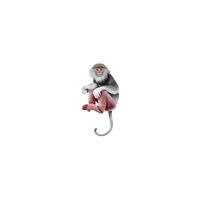
- Proboscis
A unique species known for its large nose and pot-bellied body. It lives in mangrove forests, feeds on leaves and fruit, and swims well across rivers.
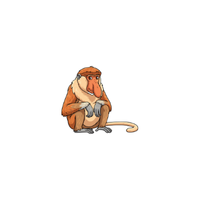
- Douc
A colorful, gentle species with striking facial patterns. It lives in high canopies, feeds on leaves, buds, and fruits, and forms calm social groups.
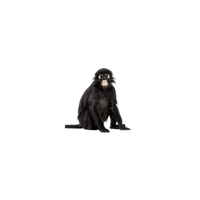
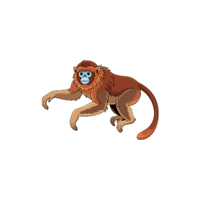
- Snub-nosed
A mountain species with a short upturned nose and thick fur. It survives cold climates, lives in large groups, and feeds on leaves, lichens, and fruits.
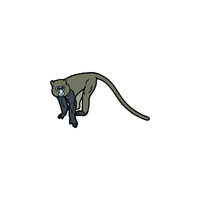
- Guenon
A lively forest species with bright facial markings. It lives in mixed groups, moves quickly between trees, and feeds on fruits, insects, and leaves.
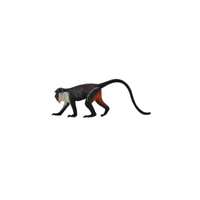
- Diana
A distinct species with a white brow and chest patch. It lives in West African forests, travels in groups, and eats fruits, seeds, and insects.
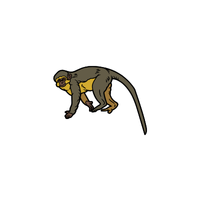
- Talapoin
A tiny African species that lives near rivers and wetlands. It moves in large groups, eats fruit, seeds, insects, and prefers dense vegetation for safety.
20 Types of Monkeys Breeds Names
Most Common Types of Monkeys Breeds Names
- Gelada
- Mandrill
- Drill
- Baboon
- Macaque
- Rhesus
- Bonnet
- Barbary
- Assamese
- Pig-tailed
- Tonkean
- Crested
- Sulawesi
- Lion-tailed
- Golden
- Pygmy
- Red-shanked
- Grey-shanked
- Purple-faced
- Dusky
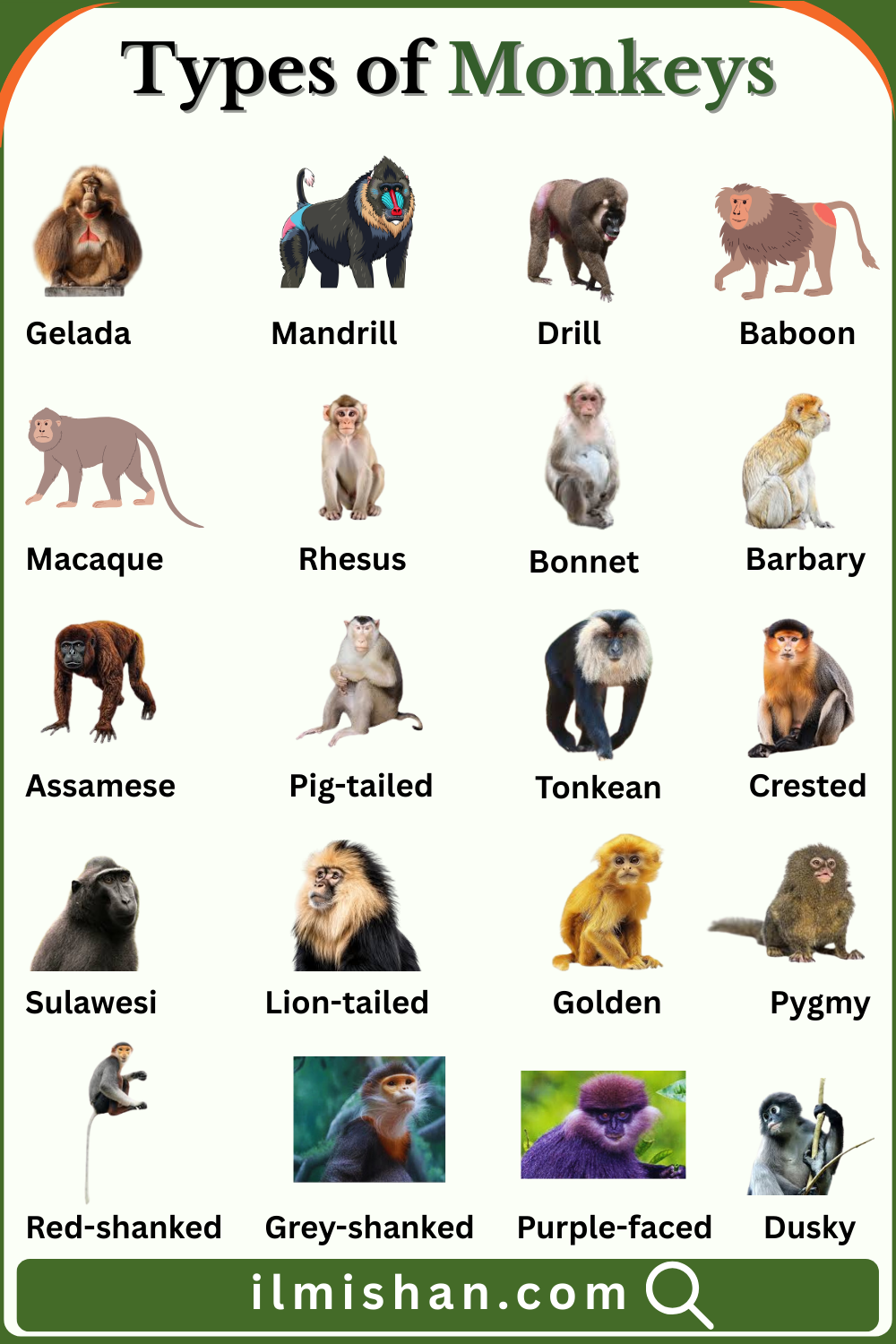
Names of Monkeys Breeds in English With Pictures
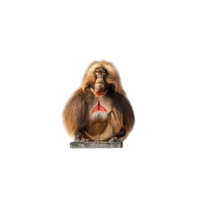
- Gelada
A grass-eating highland species known for its red chest patch. It lives in large groups on Ethiopian cliffs, spending days grazing and communicating through facial expressions and complex calls.
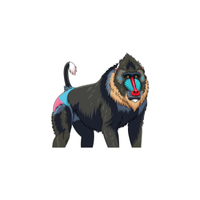
- Mandrill
A powerful forest species recognized for its bright, colorful face. It lives in large troops, forages on fruits, seeds, and insects, and uses loud calls to communicate in dense forests.
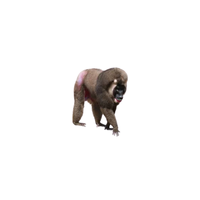
- Drill
A strong, shy species related to mandrills but darker in color. It lives in forest groups, feeds on fruits and leaves, and prefers deep, undisturbed habitats.
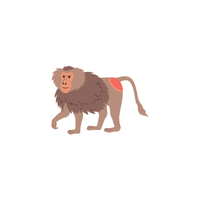
- Baboon
A ground-living species found in savannas and rocky areas. It travels in large troops, eats plants and small animals, and uses complex social ranking within the group.
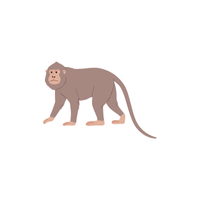
- Macaque
A highly adaptable species living in forests, mountains, and cities. It eats fruits, leaves, insects, and human food, forming social groups with strong family bonds.
- Rhesus
A widespread species living in forests and urban areas. It eats fruits, leaves, roots, and insects, forms tight social groups, and adapts easily to changing environments.

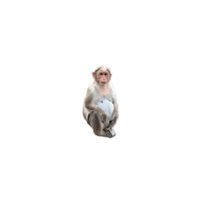
- Bonnet
A peaceful species found in southern India, known for its hair shaped like a bonnet. It lives around forests and villages, feeding on fruits, grains, and insects.
- Barbary
A tailless species native to North Africa and Gibraltar. It lives in cold mountains, forms close social groups, and feeds on leaves, fruits, seeds, and bark.

- Assamese
A sturdy species found in Himalayan foothills. It forms large troops, feeds on fruits and leaves, and adapts to both forests and high-altitude regions.
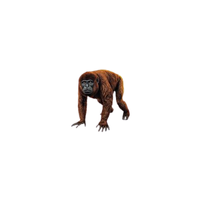
- Pig-tailed
A forest species with a short curled tail. It lives in Southeast Asia, feeds on fruits, seeds, and insects, and spends time both on the ground and in trees.
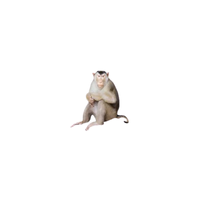
- Tonkean
A gentle, dark-furred species from Indonesia. It forms peaceful groups with strong bonds, lives in rainforests, and feeds mainly on fruits, leaves, and insects.
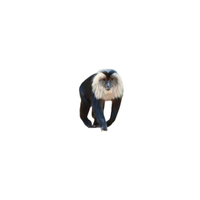
- Crested
A black, tuft-headed species from island forests. It forms tight groups, communicates with loud calls, and feeds on fruits, seeds, insects, and young leaves.
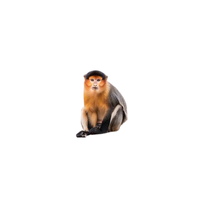
- Sulawesi
A group of island species known for dark coats and expressive faces. They live in rainforests, form social groups, and feed on fruits, insects, and leaves.
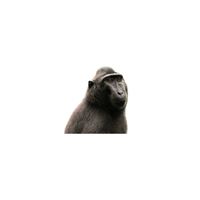
- Lion-tailed
A rare rainforest species with a silver mane and tufted tail. It spends most time in high canopy trees, feeds on fruits and insects, and lives in small, cautious groups.
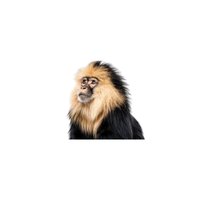
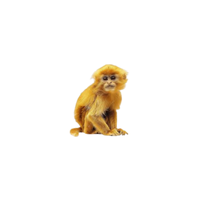
- Golden
A brightly colored mountain species living in bamboo forests. It forms large family groups, feeds on shoots, leaves, and fruits, and survives cold climates with thick fur.
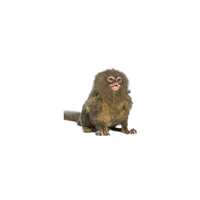
- Pygmy
A tiny forest species with soft fur and delicate features. It lives in small groups, moves through low branches, and feeds on fruits, blossoms, and insects.
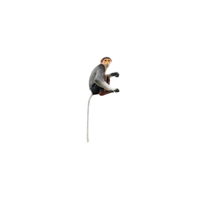
- Red-shanked
A striking species with reddish legs and a colorful face. It lives in high canopies, feeds on leaves and buds, and forms calm social groups in dense forests.
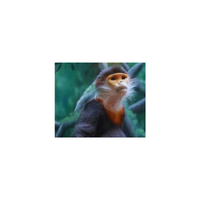
- Grey-shanked
A rare species marked by pale grey legs and a gentle face. It lives in central Vietnamese forests, eats leaves and fruits, and forms peaceful, close-knit groups.
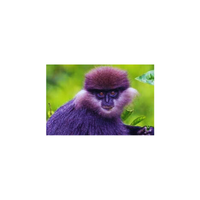
- Purple-faced
A shy rainforest species with a dark, purplish face. It feeds mainly on leaves and fruits, lives high in trees, and prefers quiet, undisturbed habitats.
- Dusky
A calm, leaf-eating species found in Southeast Asian forests. It has soft grey fur, lives in cohesive groups, and feeds on leaves, flowers, and unripe fruits.
Learn Types of Monkeys Breeds Names
List of Monkeys Breeds in English
- Leaf
- Lutung
- Surili
- Titi
- Callicebus
- Cherub
- Emperor
- Cotton-top
- Saddleback
- Geoffroy’s
- Black-capped
- Brown-headed
- White-faced
- Yellow
- Silver
- Mountain
- Highland
- Lowland
- Marsh
- Forest
Common Types of Monkeys Breeds Names in English
- Leaf
A calm, tree-living species that eats mostly young leaves, buds, and fruits. It rests high in the canopy, forms close social groups, and moves gracefully through branches.
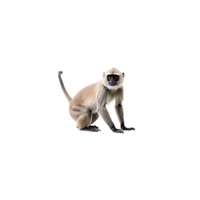
- Lutung
A slender, long-tailed species found in Asian forests. It feeds mainly on leaves, fruits, and flowers and lives in peaceful groups led by an experienced adult female.
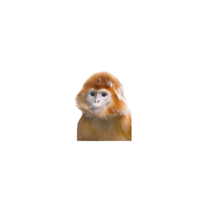
- Surili
A gentle forest species with soft fur and a light body. It eats leaves, shoots, and fruits, often staying high in the canopy to avoid predators and disturbances.
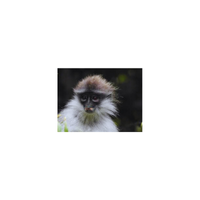
- Titi
A small South American species known for pair bonding. It lives with one partner, communicates through soft calls, and feeds on fruits, leaves, and insects in dense forests.
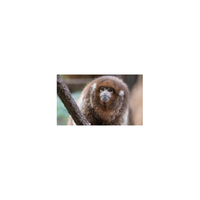
- Callicebus
A group of titi species characterized by strong family ties. They live in monogamous pairs, defend small territories, and feed on fruits, leaves, seeds, and insects.
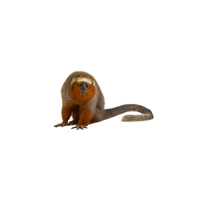
- Cherub
A tiny, soft-featured species with juvenile-like facial expressions. It moves quietly through the forest, lives in small groups, and feeds on fruits, insects, and young leaves.
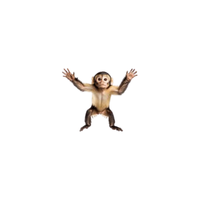
- Emperor
A distinctive species known for its long white mustache. It forms social groups, moves actively through trees, and feeds on fruits, insects, and gum from tree bark.
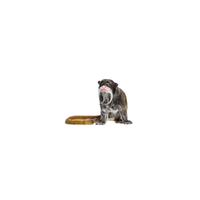
- Cotton-top
A small species with a bright white crest. It lives in family groups, communicates through many sounds, and eats fruits, insects, sap, and small vertebrates in forest edges.
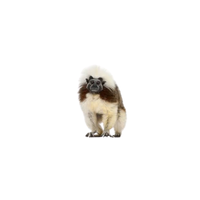
- Saddleback
A small species with saddle-shaped markings on its back. It lives in mixed groups, climbs quickly, and feeds on insects, fruits, and tree sap in dense forest understory.
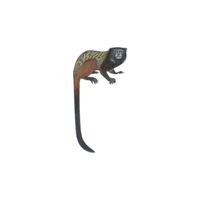
- Geoffroy’s
An active species from Central and South America. It moves through the canopy using quick jumps, feeds on fruits, leaves, and insects, and communicates with varied calls.

- Black-capped
A species identified by a dark cap on its head. It lives in tropical forests, feeds on fruits, seeds, and insects, and stays in small groups for safety and cooperation.
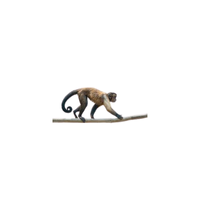
- Brown-headed
A forest species marked by its brown crown. It forms social groups, moves through mid-level branches, and feeds on fruits, leaves, flowers, and insects.
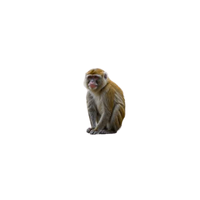
- White-faced
A recognizable species with a pale face and expressive features. It forms active groups, feeds on fruits, insects, and small animals, and adapts well to various forest habitats.
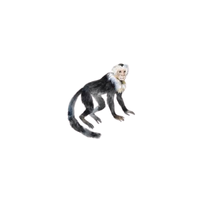
- Yellow
A lightly colored forest species with yellowish fur tones. It lives in trees, eats fruits, seeds, insects, and young leaves, and communicates through soft calls.
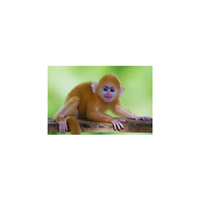
- Silver
A species with shiny grey-silver fur. It prefers tall trees, forms calm groups, and feeds on leaves, fruits, flowers, and tender shoots in humid forests.
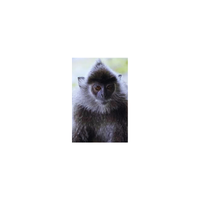
- Mountain
A high-altitude species adapted to cold climates. It has thick fur, lives in large groups, and eats leaves, bark, buds, and seasonal fruits in rugged terrain.
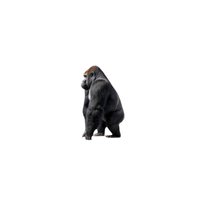
- Highland
A species adapted to elevated forest regions. It survives cooler temperatures, forms structured groups, and feeds on leaves, shoots, fruits, and insects depending on season.

- Lowland
A species found in warm, flat forest areas. It moves easily through dense vegetation, lives in social groups, and eats fruits, leaves, flowers, and insects.

- Marsh
A species living near wetlands and swampy forests. It climbs well, forms small groups, and feeds on fruits, leaves, insects, and aquatic plants from its habitat.
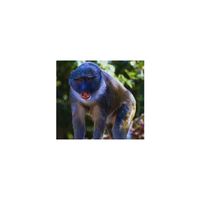
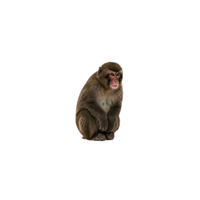
- Forest
A canopy-dwelling species adapted to thick woodland. It forms cooperative groups, moves through branches with ease, and feeds on fruits, insects, seeds, and tender leaves.
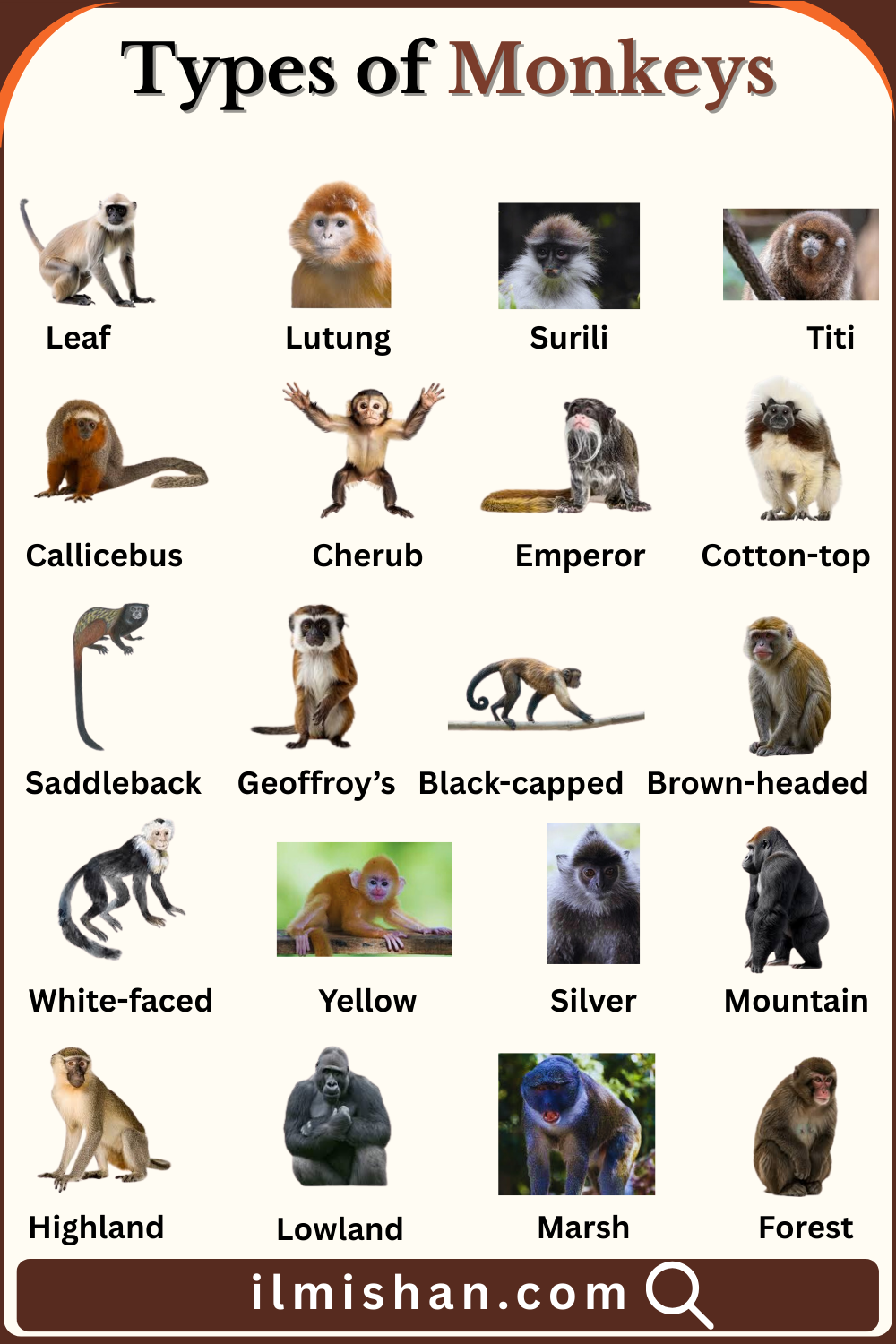
List of Monkeys Breeds In English With Their Images
Learn more helpful Articles