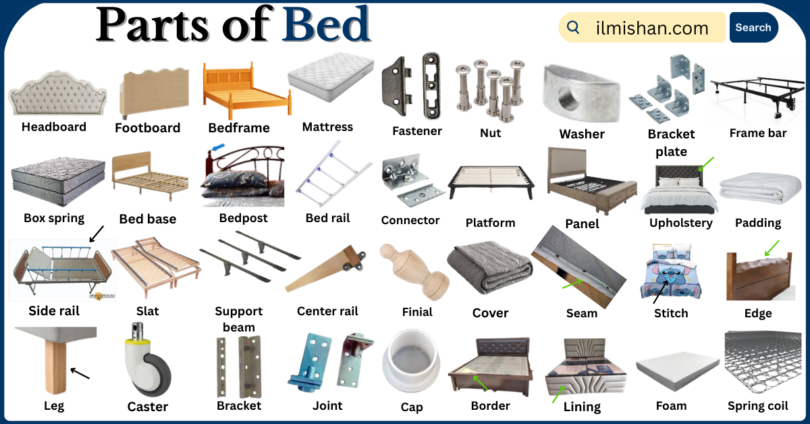

A bed is one of the most important pieces of furniture in a home because it provides comfort and support for rest and sleep. A complete bed is made up of several parts, and each part has a specific name and function. From the frame and mattress to the headboard and pillows, every part works together to make the bed comfortable and useful. Learning the parts of a bed with their names and pictures helps students understand common household vocabulary and recognize these items in daily life. In this article, you will learn the different parts of a bed in English, explained in simple and easy language to help learners easily identify and remember each part.
Table of Contents
ToggleParts of Bed with Names list
- Headboard
- Footboard
- Bedframe
- Mattress
- Box spring
- Bed base
- Bedpost
- Bed rail
- Side rail
- Slat
- Support beam
- Center rail
- Leg
- Caster
- Bracket
- Joint
- Corner block
- Fastener
- Screw
- Bolt
Bed Parts Names in English with there Pictures
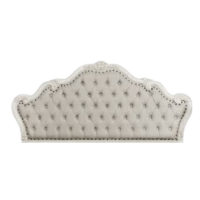
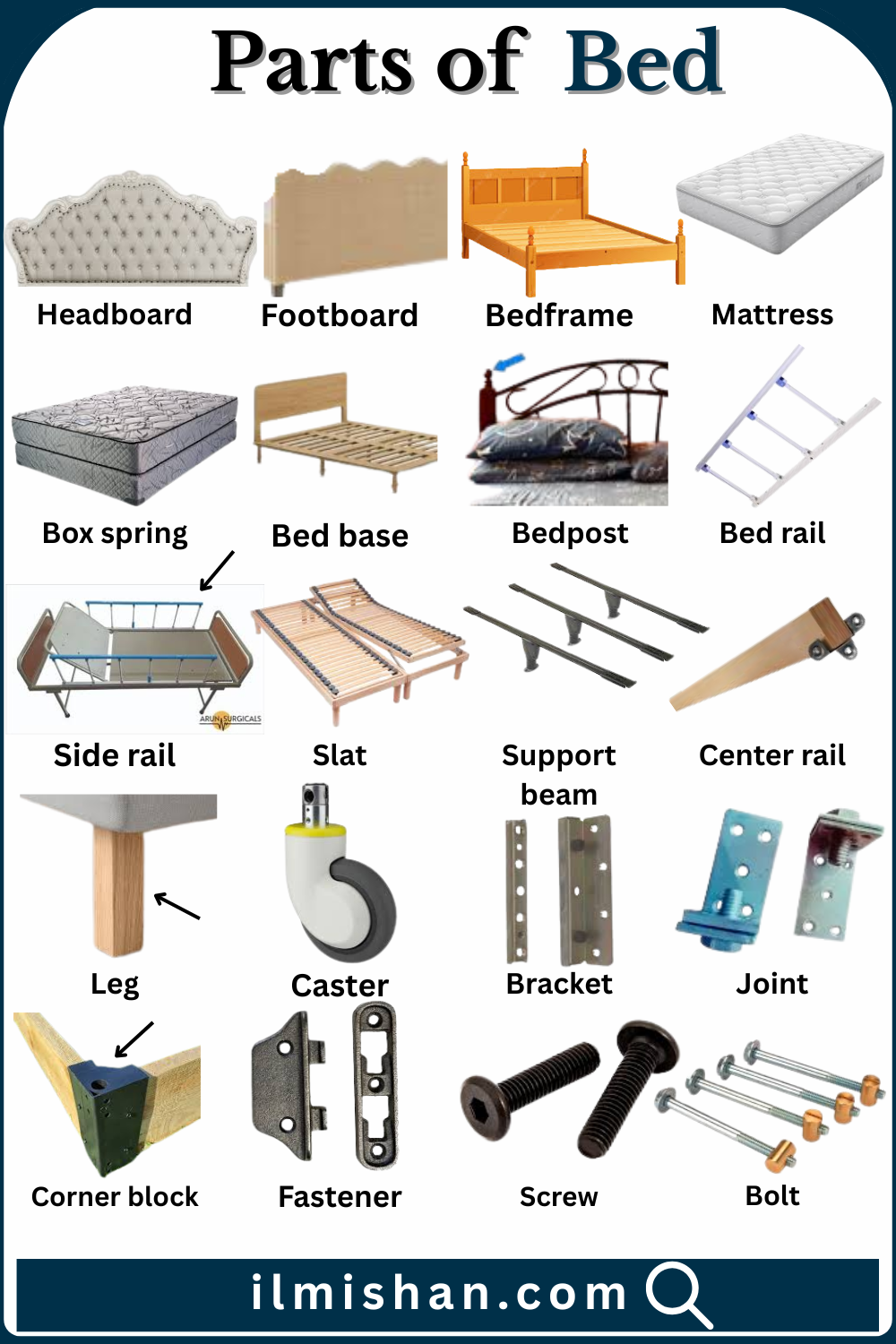
- Headboard
Vertical panel fixed at the head side of the bed. It supports pillows, protects the wall from contact, and adds decorative style to the bed while providing comfort when sitting upright.
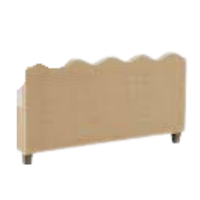
- Footboard
Panel attached to the foot end of the bed frame. It helps keep the mattress in position, strengthens the bed structure, and gives the bed a balanced and finished appearance.
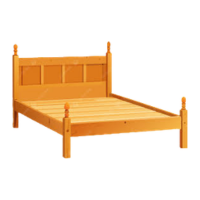
- Bedframe
Main structural framework that supports the mattress and other bed parts. It holds all components together, provides stability, and keeps the bed elevated from the floor for comfort.
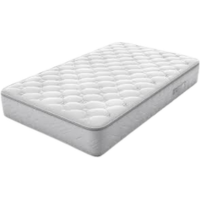
- Mattress
Soft padded layer placed on top of the bed frame for sleeping. It supports the body, improves comfort, reduces pressure on joints, and helps maintain proper sleeping posture.
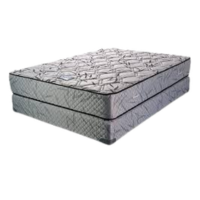
- Box spring
Support base placed under the mattress, usually containing springs or a wooden structure. It absorbs shock, improves mattress durability, and raises the mattress to a comfortable height.
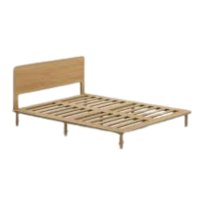
- Bed base
Lower supporting structure of the bed that holds the mattress. It spreads body weight evenly, provides firm support, and helps keep the mattress stable during sleep.
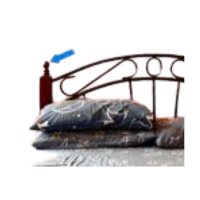
- Bedpost
Strong vertical post located at the corners of a bed. It supports the bed frame, connects rails and panels, and sometimes holds decorative elements or canopy structures.
- Bed rail
Long horizontal side support that connects the headboard and footboard. It holds the mattress platform in place and provides strength and stability to the overall bed structure.
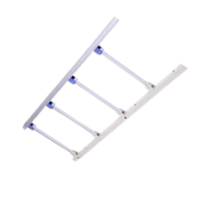
- Side rail
Support bar running along each side of the bed frame. It connects major bed components and helps keep the mattress and slats properly aligned.
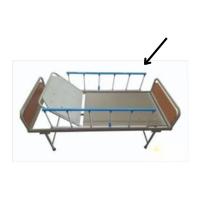
- Slat
Flat wooden or metal strip placed across the bed frame. It supports the mattress from below, allows airflow, and distributes body weight evenly across the bed structure.
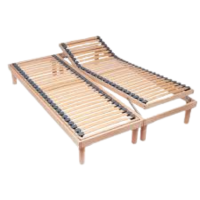
- Support beam
Central beam placed under the bed frame for extra strength. It prevents the bed from sagging and helps distribute the weight of the mattress and sleepers evenly.
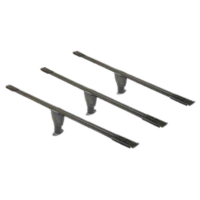
- Center rail
Long beam running through the middle of larger beds. It connects the headboard and footboard and supports the slats to provide additional strength and stability.
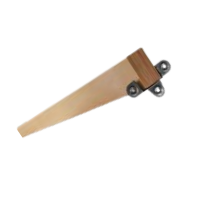
- Leg
Vertical support piece attached to the bottom of the bed frame. It raises the bed from the floor and carries the weight of the entire bed and mattress.
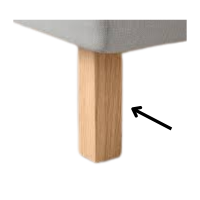
- Caster
Small wheel attached to the bottom of some bed legs. It allows the bed to be moved easily across the floor for cleaning or repositioning.
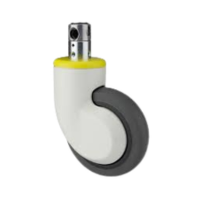
- Bracket
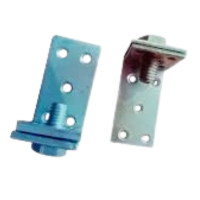
Metal fitting used to join bed components together. It helps secure rails, posts, and other parts, making the bed frame stronger and more stable.
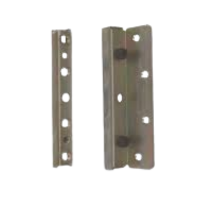
- Joint
Connection point where two bed parts meet and are fixed together. It allows the frame to hold its shape and ensures the bed remains stable during use.
- Corner block
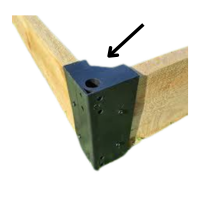
Solid block fitted inside the corners of the bed frame. It strengthens the joints and helps keep the bed square and stable.
- Fastener
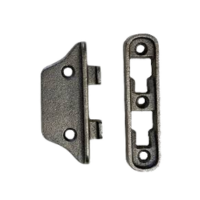
General hardware used to connect and secure different bed components. It includes screws, bolts, and other devices that hold the bed frame firmly together.
- Screw
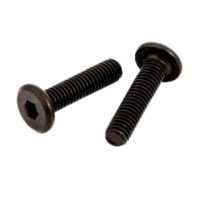
Threaded metal fastener used to join bed parts securely. It is tightened into wood or metal to hold components firmly in place.
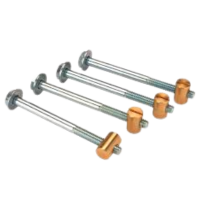
- Bolt
Strong metal fastener used with a nut to tightly connect heavy bed components. It provides a firm and durable connection between structural parts of the bed.
Bed Parts Names in English with there Pictures
Explore Bed parts and Name
- Nut
- Washer
- Bracket plate
- Frame bar
- Platform
- Panel
- Upholstery
- Padding
- Cover
- Seam
- Stitch
- Edge
- Border
- Lining
- Foam
- Spring coil
- Support bar
- Connector
- Cap
- Finial
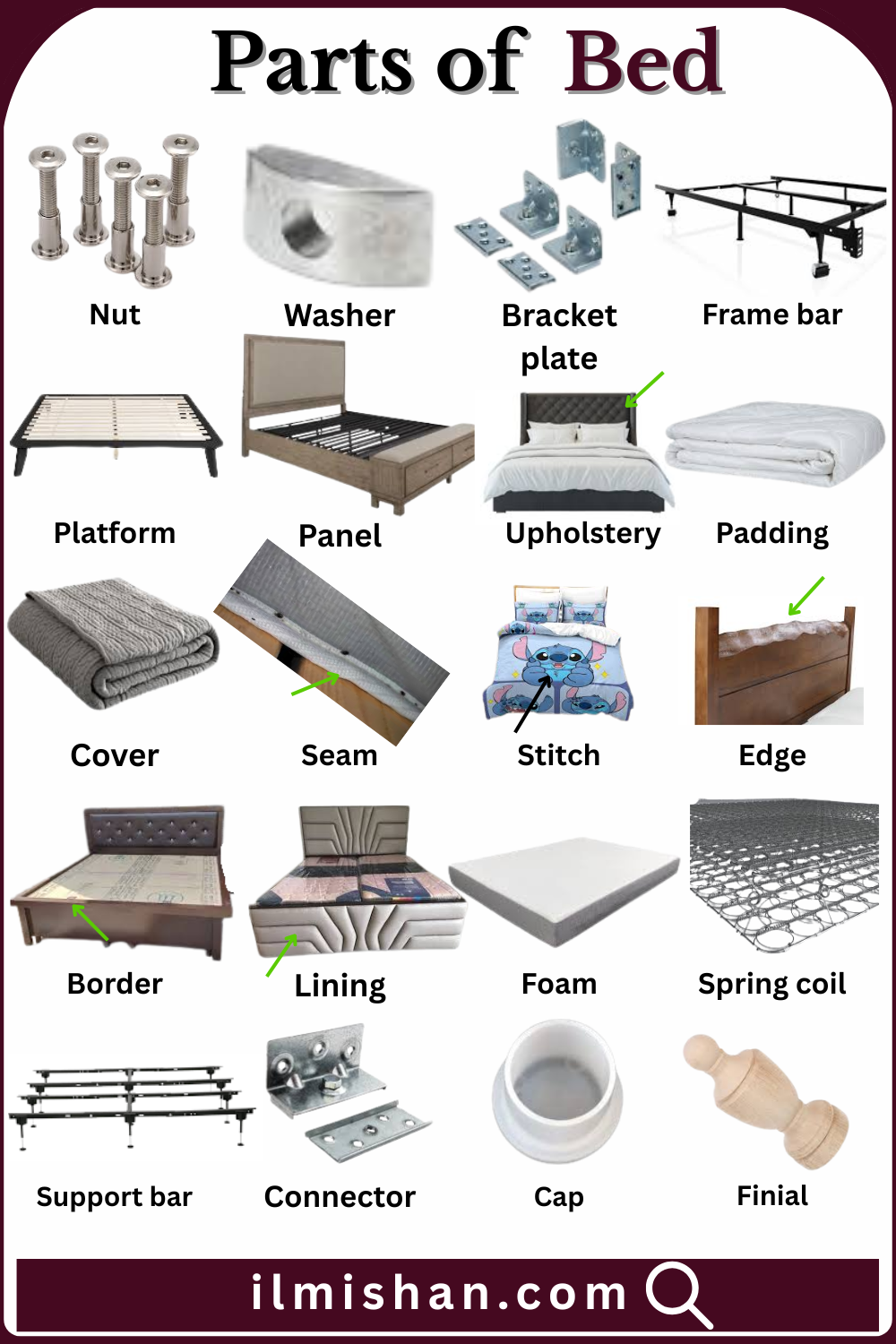
Common Parts of Bed with their Names and Pictures
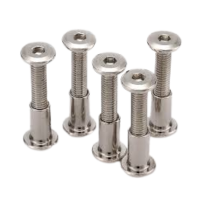
- Nut
Small metal fastener with a threaded hole used together with a bolt. It tightens onto the bolt to secure bed components firmly and helps keep the frame stable and properly assembled.
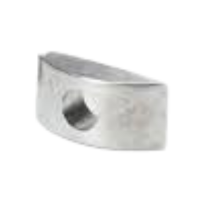
- Washer
Thin flat metal disc placed between a nut or bolt and the surface of a bed part. It spreads pressure evenly, protects the material, and helps prevent loosening during use.
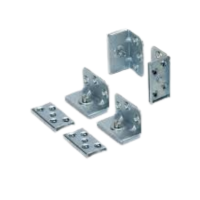
- Bracket plate
Flat metal plate used to join or strengthen connections between bed frame parts. It provides extra support and keeps rails, beams, or posts firmly attached to maintain the structure.
- Frame bar
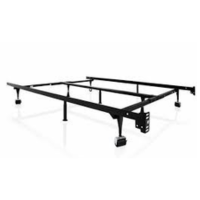
Strong metal or wooden bar forming part of the bed frame structure. It supports weight, connects other components, and helps maintain the overall strength and stability of the bed.
- Platform
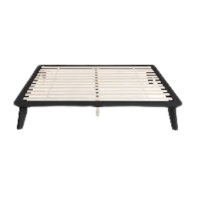
Flat surface of a platform bed designed to support the mattress directly without a box spring. It provides firm support and keeps the mattress evenly balanced across the bed.
- Panel
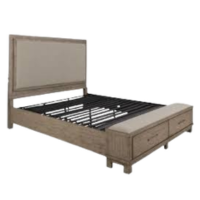
Flat section of wood, metal, or fabric forming part of the bed structure, often used in headboards or footboards to provide support, design, and structural stability.
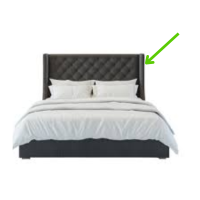
- Upholstery
Soft decorative covering made of fabric, leather, or similar material placed over bed parts such as headboards to improve comfort, appearance, and style.
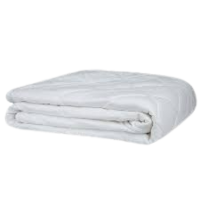
- Padding
Soft cushioning material placed beneath upholstery to provide comfort and protection. It helps create a smooth surface and adds softness to upholstered bed components.
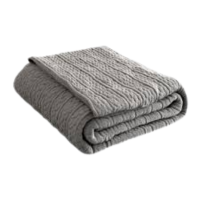
- Cover
Outer protective layer placed over bedding or bed parts to protect them from dust, stains, and wear while also improving the bed’s appearance.
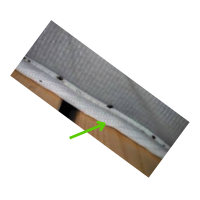
- Seam
Line where two pieces of fabric or material are joined together by stitching. It holds materials firmly and forms a neat connection in upholstered bed components.
- Stitch
Loop of thread created during sewing that joins pieces of fabric or upholstery material together. Multiple stitches form strong seams and hold coverings securely.
- Edge
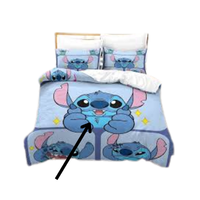
Outer boundary or finishing side of a bed component such as a panel, mattress, or frame part that defines its shape and provides a clean finished look.
- Border
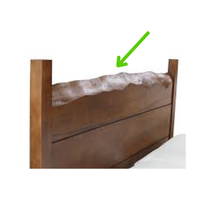
Decorative or protective strip placed along the edges of bedding or upholstery. It strengthens the edge and improves the visual appearance of the bed.
- Lining
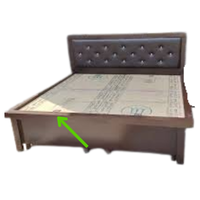
Inner layer of fabric placed beneath the outer covering of upholstered bed parts. It provides additional support, protects padding, and helps maintain the shape of the material.
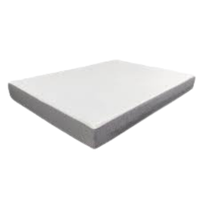
- Foam
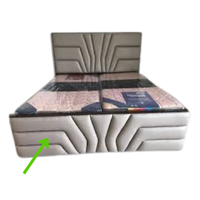
Soft flexible material commonly used as cushioning in mattresses or upholstered bed parts. It provides comfort, absorbs pressure, and supports the body during rest.
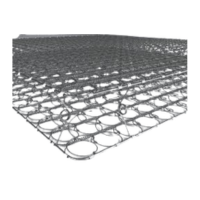
- Spring coil
Coiled metal spring used inside mattresses or box springs to provide support and flexibility. It compresses under weight and returns to shape to maintain comfort.
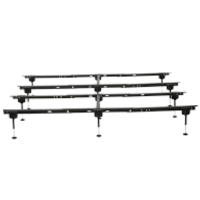
- Support bar
Strong bar placed beneath the bed frame or platform to reinforce the structure. It helps distribute weight evenly and prevents the frame from bending or sagging.
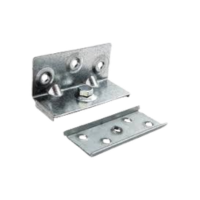
- Connector
Hardware piece used to join different bed parts together. It ensures secure attachment between components such as rails, posts, and support bars.
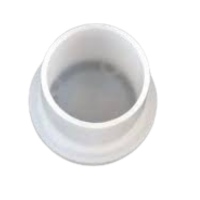
- Cap
Protective or decorative cover placed on the top of bed posts or other exposed parts. It helps protect the material and improves the bed’s finished appearance.
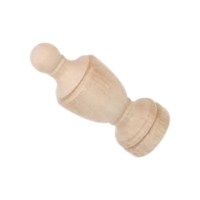
- Finial
Decorative ornament placed on the top of a bedpost. It adds style and visual detail to the bed while completing the design of the frame.
Common Parts of Bed with their Names and Pictures