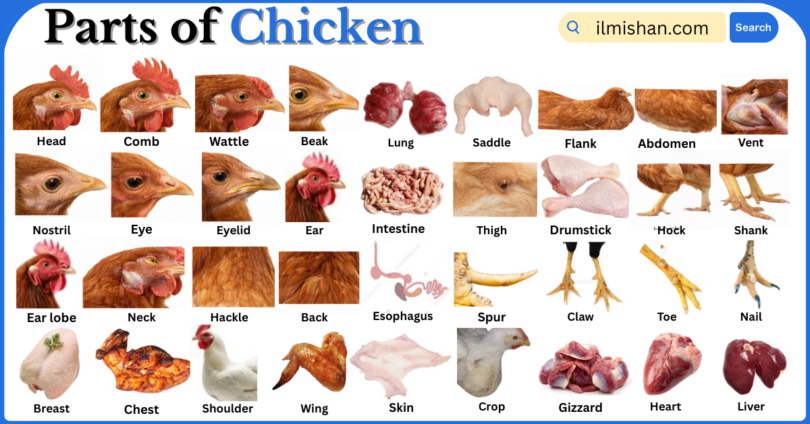

Chicken is one of the most commonly used meats in many kitchens around the world, and each part of the chicken has its own name, texture, and cooking use. From breast and wings to thighs and drumsticks, every section is prepared in different ways depending on the recipe and taste preference. Some parts are soft and lean, while others are juicy and rich in flavor. In this article, you will learn Parts of Chicken with Names in English with Pictures to help you easily identify and understand each cut. This guide will improve your food vocabulary and give you simple knowledge about how chicken is divided and used in everyday cooking in clear and easy language.
Table of Contents
ToggleParts of Chicken with Names list
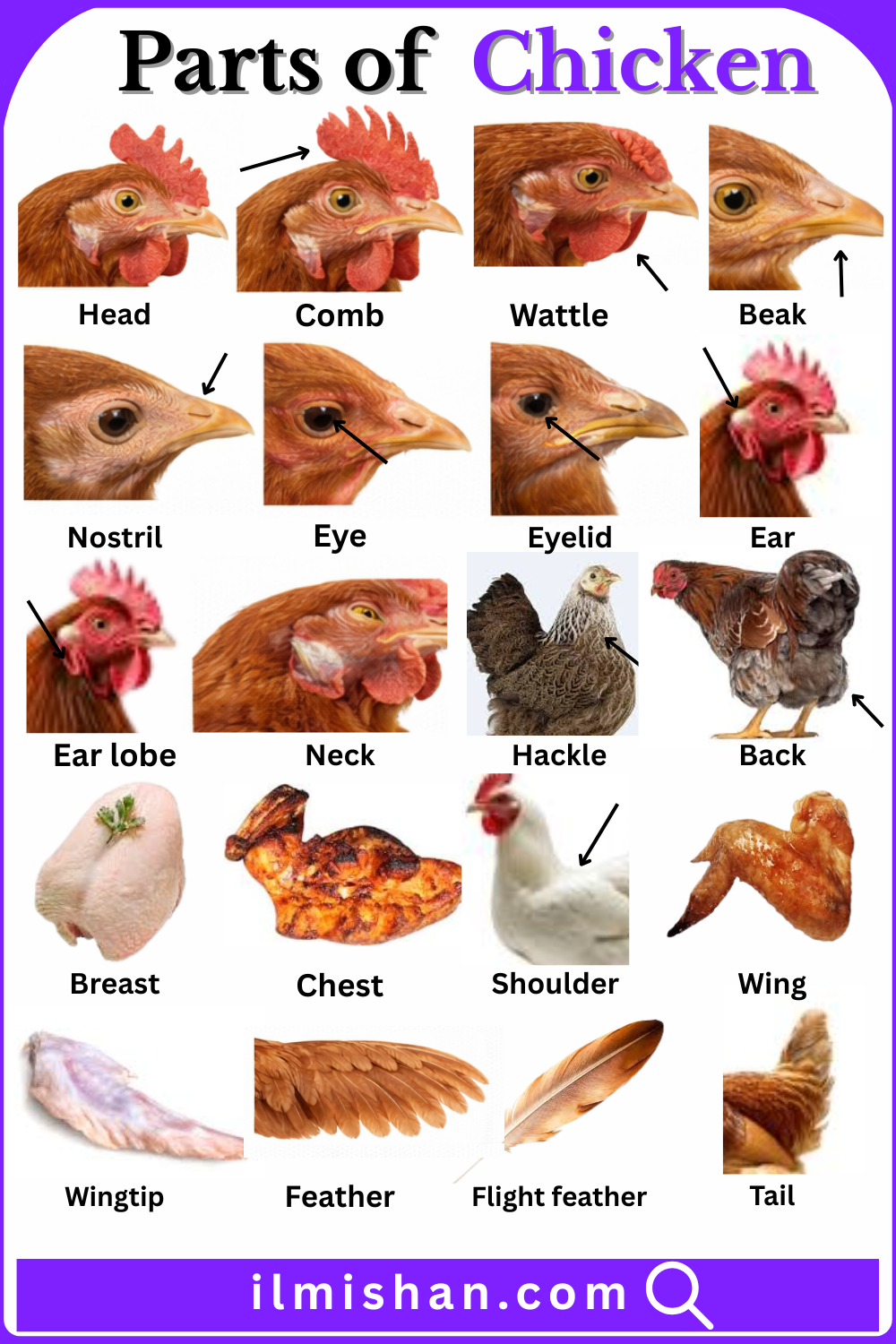
- Head
- Comb
- Wattle
- Beak
- Nostril
- Eye
- Eyelid
- Ear
- Ear lobe
- Neck
- Hackle
- Back
- Breast
- Chest
- Shoulder
- Wing
- Wingtip
- Feather
- Flight feather
- Tail
Chicken Parts Names in English with there Pictures
- Head
Front upper part of the chicken’s body that contains the brain and main sense organs, including the eyes, beak, comb, and ears, controlling feeding, movement, and awareness of surroundings.
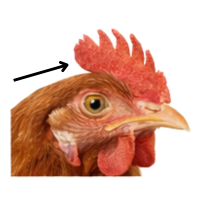
- Comb
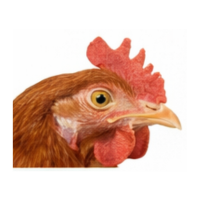
Fleshy red crest on top of the head made of soft tissue, helping regulate body temperature and often indicating the bird’s health and maturity.
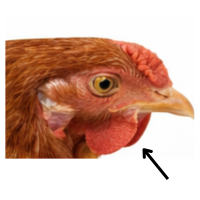
- Wattle
Soft hanging folds of skin located beneath the beak on both sides of the throat, assisting in cooling the body and playing a role in display.
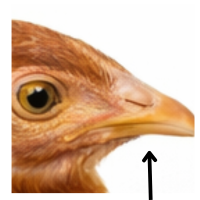
- Beak
Hard pointed mouth structure made of keratin, used for pecking food, drinking water, grooming feathers, and defending against small threats.
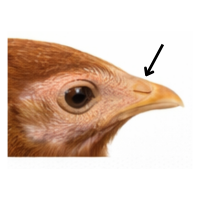
- Nostril
Small openings located near the upper part of the beak that allow air to enter and leave the respiratory system during breathing.
- Eye
Organ of sight positioned on each side of the head, giving chickens a wide field of vision to detect movement, light, and potential danger.
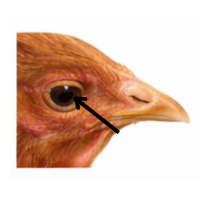
- Eyelid
Thin movable fold of skin that covers and protects the eye, keeping it clean and moist while blinking.
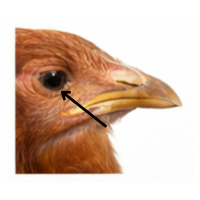
- Ear
Small hearing organ hidden behind feathers on the side of the head, enabling the chicken to detect sounds and respond quickly.
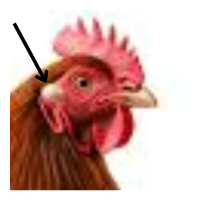
- Ear lobe
Smooth patch of skin located below the ear opening, often white or red, sometimes indicating the color of eggs the hen may lay.
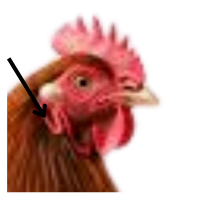
- Neck
Flexible part connecting the head to the body, allowing the chicken to move its head freely while feeding and observing.
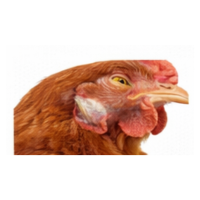
- Hackle
Long narrow feathers growing around the neck area, often more noticeable and pointed in roosters.
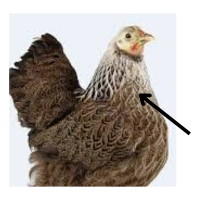
- Back
Upper part of the body extending from the base of the neck to the tail, supporting wings and feathers.
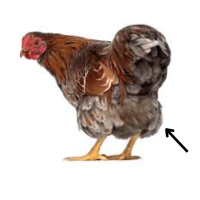
- Breast
Front lower portion of the body below the neck, covered with firm muscles that help in wing movement.
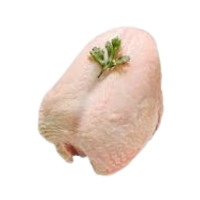
- Chest
Front body region containing important organs such as the heart and lungs, protected by bones and muscles.
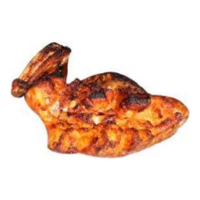
- Shoulder
Joint area where the wing connects to the body, allowing wing movement.
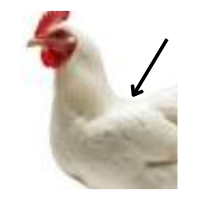
- Wing
Limb attached to each side of the body, covered with feathers, used for short flights and balance.
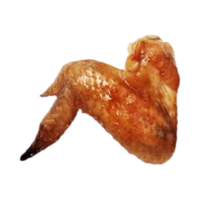
- Wingtip
Outer end of the wing where the longest feathers are located, important for balance during flight.
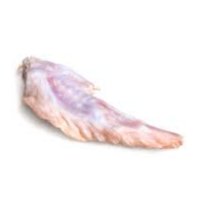
- Feather
Lightweight body covering made of keratin that provides insulation, protection, and assistance in flight.
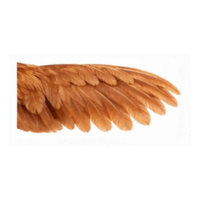
- Flight feather
Strong, long feather found on the wings and tail, essential for flying and controlling direction.

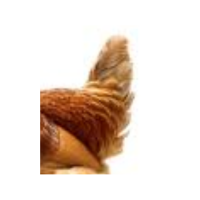
- Tail
Rear part of the body made up of feathers attached to small bones, helping with balance and direction while moving.
Chicken Parts Names in English with there Pictures
Explore Chicken parts and Name
- Saddle
- Flank
- Abdomen
- Vent
- Thigh
- Drumstick
- Hock
- Shank
- Spur
- Claw
- Toe
- Nail
- Crop
- Gizzard
- Heart
- Liver
- Lung
- Intestine
- Esophagus
- Skin
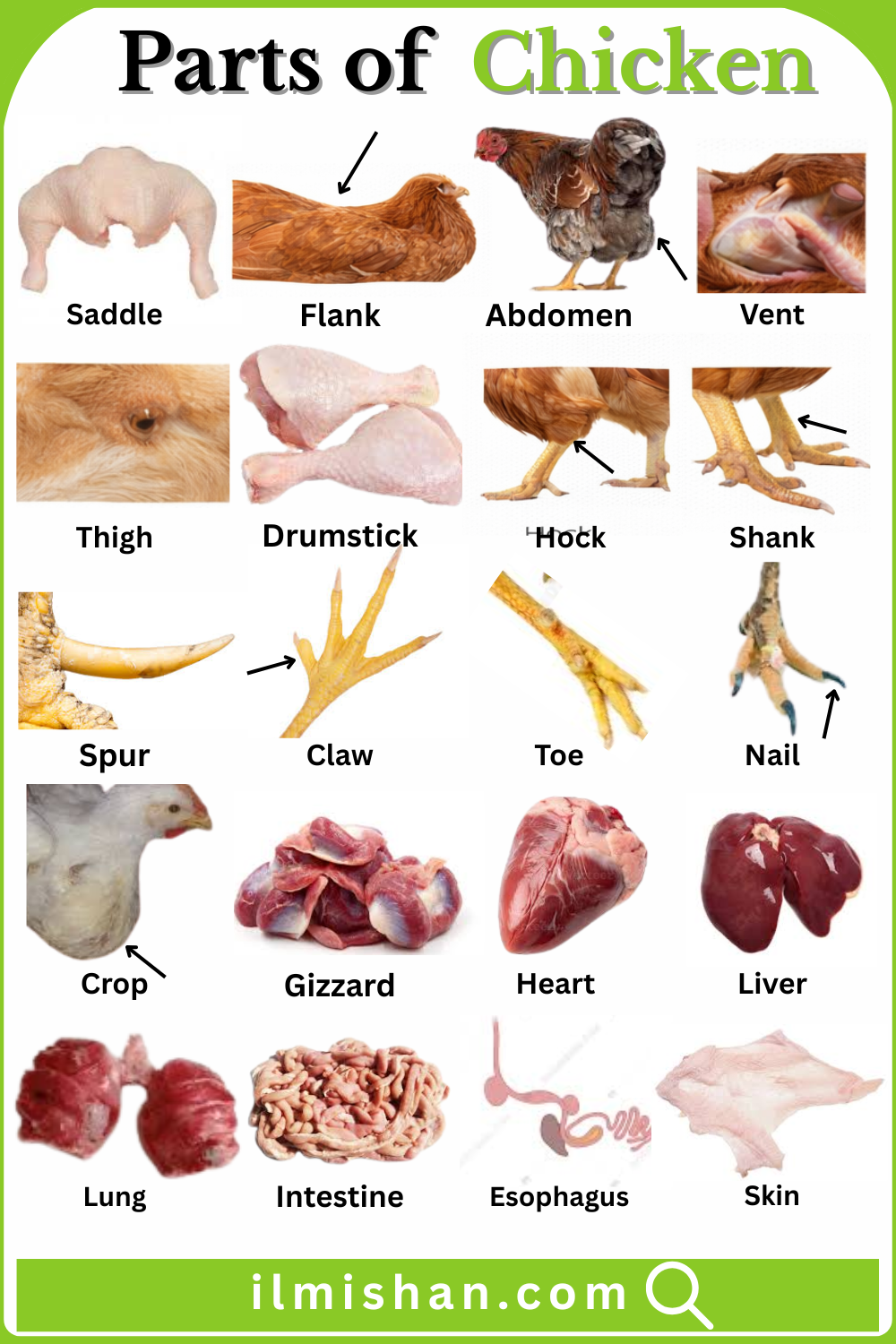
Common Parts of Chicken with their Names and Pictures
- Saddle
Section of feathers located on the lower back just in front of the tail, especially prominent in roosters. These feathers are usually long, narrow, and pointed, adding to display and protection.
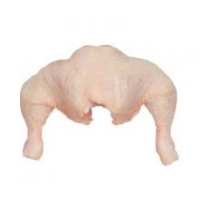
- Flank
Soft side area of the chicken’s body between the breast and the thigh, covered with smooth feathers. It protects internal organs and moves slightly during breathing and walking.
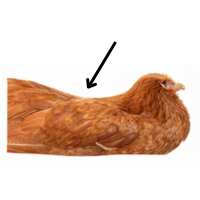
- Abdomen
Lower body region behind the chest that contains major digestive and reproductive organs. It plays an important role in processing food, absorbing nutrients, and in hens, forming and laying eggs.
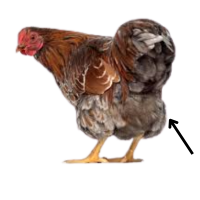
- Vent
Single external opening located beneath the tail through which eggs are laid and body waste is expelled. It serves as the outlet for both the digestive and reproductive systems.
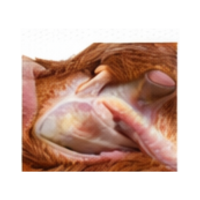
- Thigh
Upper muscular part of the leg attached to the body, hidden under feathers. It provides strength for walking, running, jumping, and scratching the ground for food.
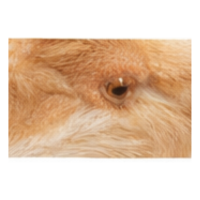
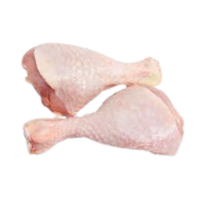
- Drumstick
Lower portion of the leg between the thigh and the hock, containing firm muscles that support movement and balance. It helps the chicken stand steadily and move comfortably.
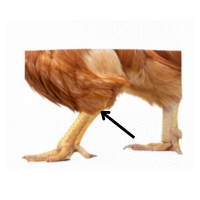
- Hock
Flexible joint located between the drumstick and the shank, bending backward as the chicken walks. It functions similarly to an ankle and allows smooth and controlled leg movement.
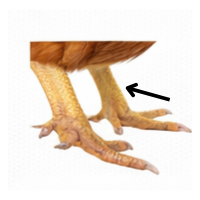
- Shank
Lower scaled part of the leg below the hock and above the toes. It supports body weight and may vary in color depending on breed and age.
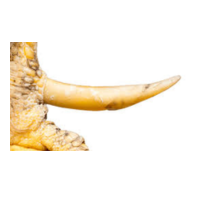
- Spur
Hard, pointed growth found on the back of the shank, mainly in roosters. It develops with age and is used for protection and defense against rivals.
- Claw
Sharp, curved structure at the tip of each toe that helps the chicken grip the ground, scratch soil for food, and maintain balance on different surfaces.
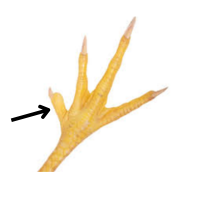
- Toe
One of the digits on the foot, usually four in number, positioned to provide balance and support while walking, standing, or scratching the ground.
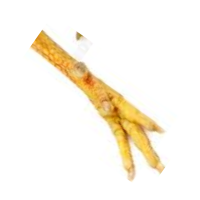
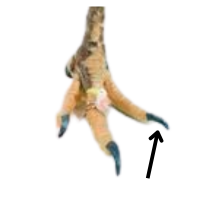
- Nail
Hard outer covering at the end of each toe that protects sensitive tissue underneath and assists the bird while digging and scratching for insects and seeds.
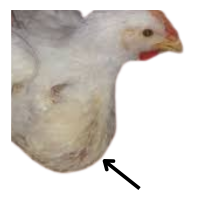
- Crop
Expandable pouch located in the lower throat area where swallowed food is temporarily stored and softened before moving to the stomach for further digestion.
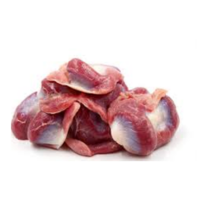
- Gizzard
Strong muscular part of the stomach that grinds and crushes food with the help of small stones or grit swallowed by the chicken, aiding proper digestion.
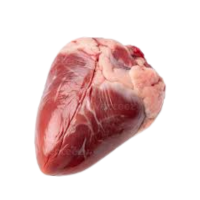
- Heart
Powerful muscular organ inside the chest that pumps blood throughout the body, delivering oxygen and nutrients to tissues and removing waste products.
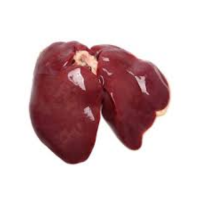
- Liver
Large vital organ responsible for filtering harmful substances from the blood, producing bile for digestion, and supporting many important body functions.
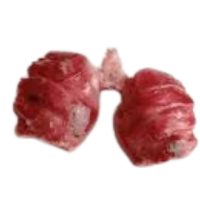
- Lung
Breathing organ located in the chest cavity that absorbs oxygen from inhaled air and removes carbon dioxide from the bloodstream.
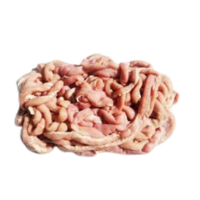
- Intestine
Long, coiled digestive tube where nutrients from food are absorbed into the body and remaining waste material is prepared for elimination.
- Esophagus
Tube-like passage connecting the mouth to the crop, carrying swallowed food downward through gentle muscular movements during feeding.

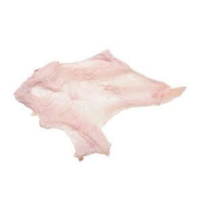
- Skin
Thin protective outer layer of the body located beneath feathers, helping regulate body temperature, protect against injury, and support feather growth.
Common Parts of Chicken with their Names and Pictures