
List of Parts of Flowers with Name in English
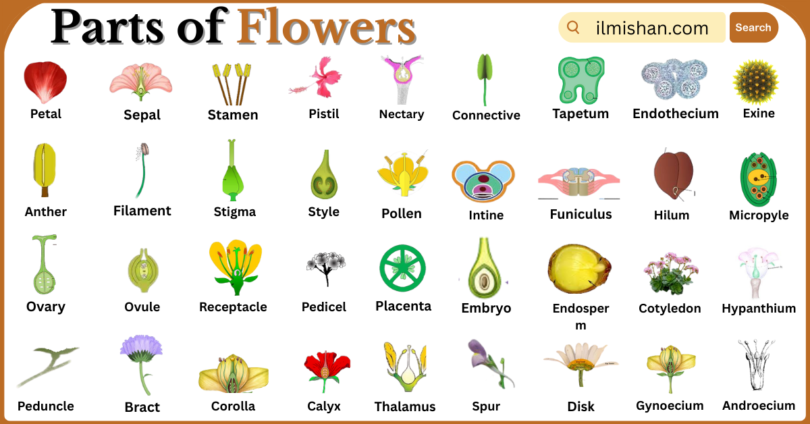
- Petal
- Sepal
- Stamen
- Pistil
- Anther
- Filament
- Stigma
- Style
- Ovary
- Ovule
- Receptacle
- Pedicel
- Peduncle
- Bract
- Corolla
- Calyx
- Nectary
- Pollen
- Placenta
- Thalamus
20 Parts of Flowers with Names with their Pictures
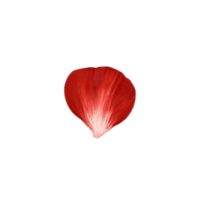
- Petal
The colorful, soft part of a flower that attracts insects and birds for pollination, often scented, forming the visible outer beauty of the flower.
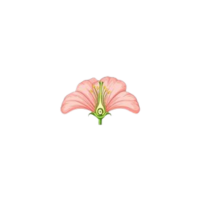
- Sepal
The green, leaf-like part that protects the flower bud before it opens, usually forming the outermost layer beneath the petals.
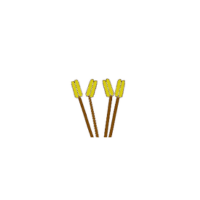
- Stamen
The male reproductive part of a flower, made of anther and filament, responsible for producing pollen needed for fertilization.
- Pistil
The female reproductive part of a flower, containing stigma, style, and ovary, where fertilization occurs and seeds later develop.

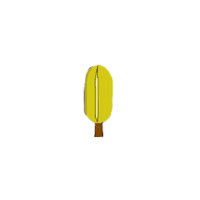
- Anther
The top part of the stamen that produces and releases pollen grains, which contain male reproductive cells.
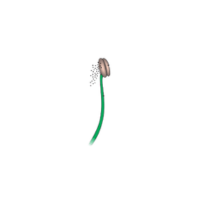
- Filament
The thin stalk that supports the anther, holding it in position so pollen can be easily transferred during pollination.
- Stigma
The sticky top surface of the pistil that receives pollen grains during pollination and allows them to grow toward the ovary.
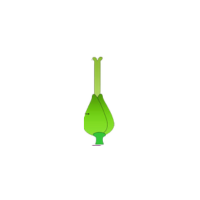
- Style
The slender tube connecting stigma to ovary, guiding pollen tubes so fertilization can occur inside the flower.
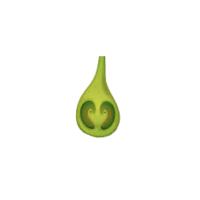
- Ovary
The swollen base of the pistil that contains ovules and later develops into a fruit after fertilization.
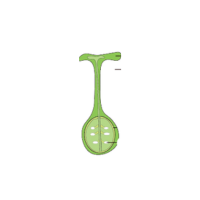
- Ovule
A small structure inside the ovary that contains the female cell and develops into a seed after fertilization.
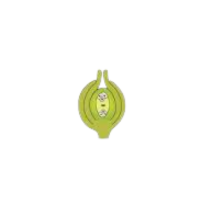
- Receptacle
The thickened part of the flower stalk where all floral parts attach, supporting the complete flower structure.

- Pedicel
The small stalk that supports a single flower, connecting it to the main flowering stem.
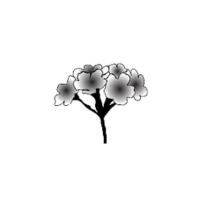
- Peduncle
The main flower stalk that holds a single flower or a cluster of flowers, supporting their position.

- Bract
A modified leaf found near a flower or flower cluster, often protecting the bud or attracting pollinators.

- Corolla
The collective term for all petals of a flower, usually colorful, helping attract pollinating insects and birds.
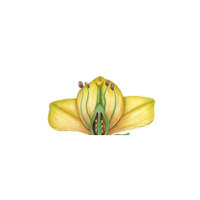
- Calyx
The collective term for all sepals of a flower, forming a protective outer layer around the developing bud.

- Nectary
A gland in the flower that produces nectar, attracting insects and birds for pollination.
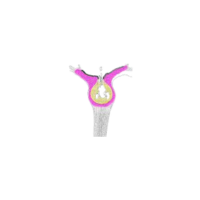
- Pollen
Fine powder produced by the anther containing male reproductive cells, essential for plant reproduction.

- Placenta
The tissue inside the ovary where ovules are attached, supplying nutrients for their development.

- Thalamus
Another name for the receptacle, the base of the flower that holds and supports all floral parts together.

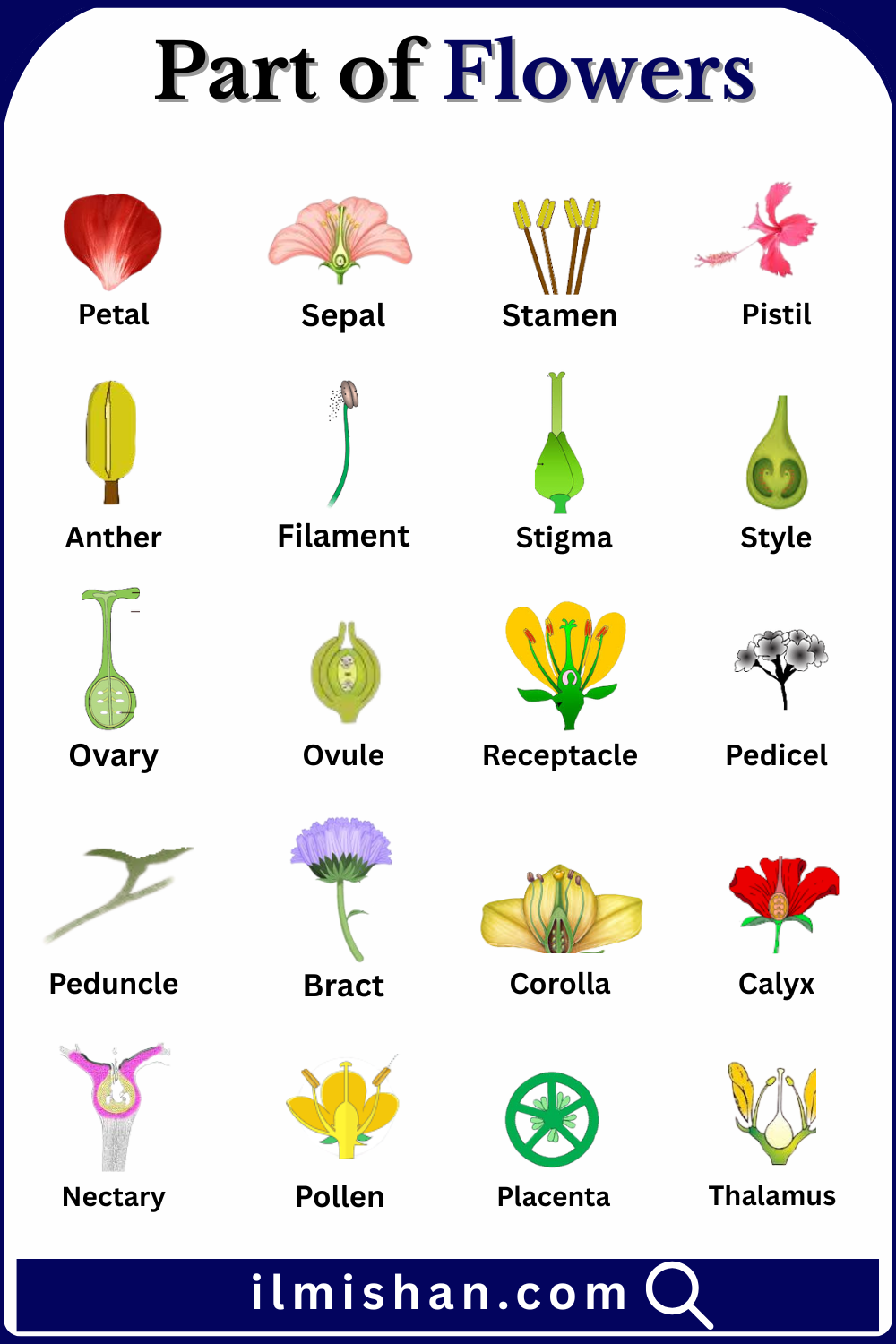
20 Parts of Flowers with Names with their Pictures
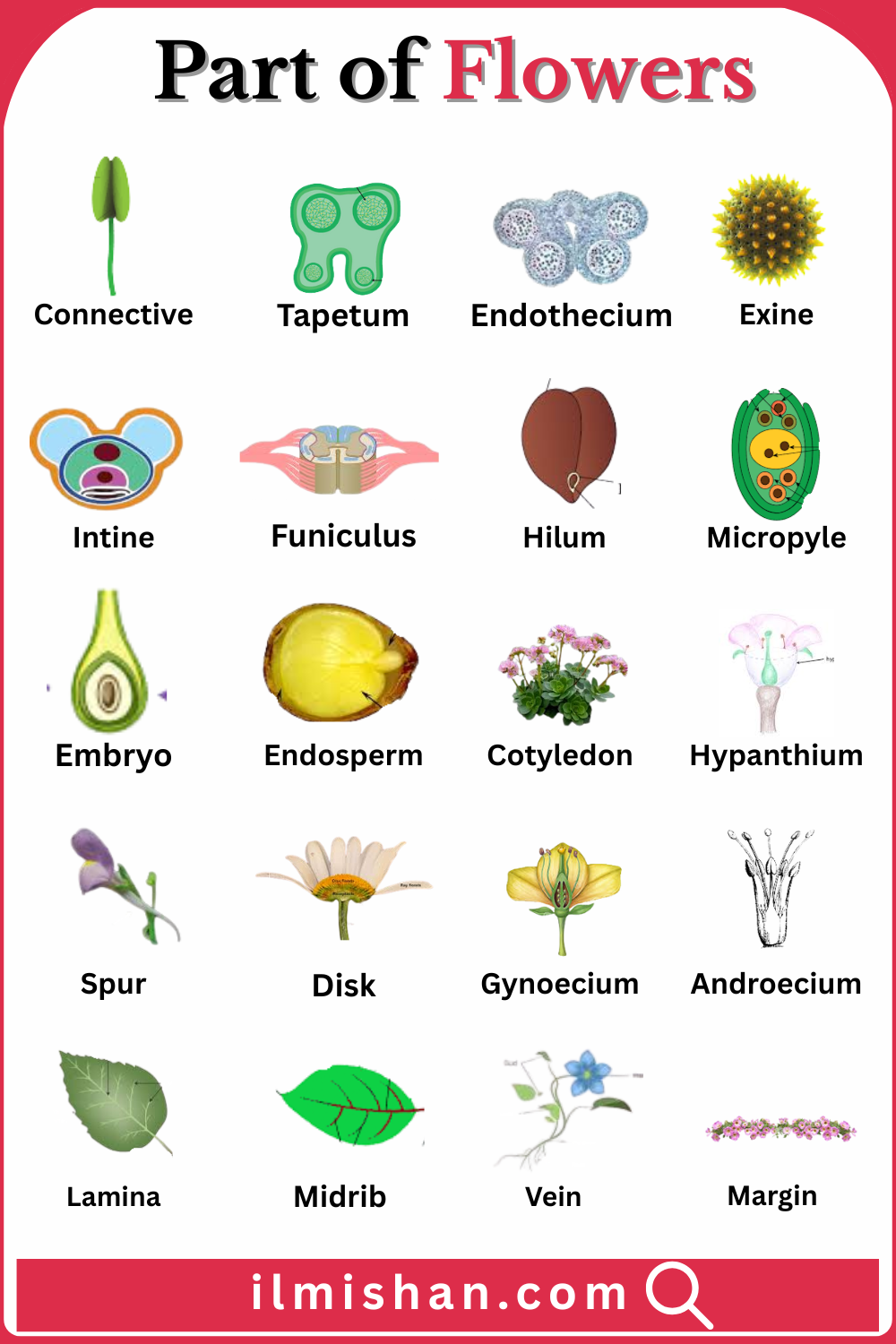
Common Parts of Flower and Name
- Connective
- Tapetum
- Endothecium
- Exine
- Intine
- Funiculus
- Hilum
- Micropyle
- Embryo
- Endosperm
- Cotyledon
- Hypanthium
- Spur
- Disk
- Gynoecium
- Androecium
- Lamina
- Midrib
- Vein
- Margin
Explore Parts of Flowers with their Names and images
- Connective
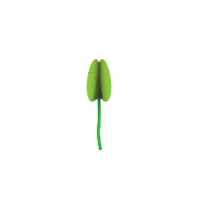
The tissue that joins the two pollen sacs of an anther, supporting them and often containing vascular tissue for nutrient supply.
- Tapetum
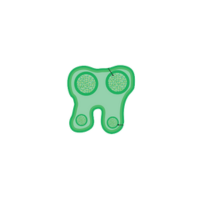
The innermost nutritive layer of the anther wall that nourishes developing pollen grains and helps in pollen wall formation.
- Endothecium
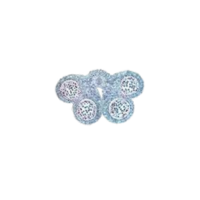
A fibrous layer of the anther wall that helps the anther split open during maturity to release pollen grains.
- Exine
The tough outer layer of a pollen grain, made of sporopollenin, protecting pollen from damage and environmental stress.

- Intine
The soft inner layer of a pollen grain, lying beneath the exine, involved in pollen tube formation during germination.

- Funiculus
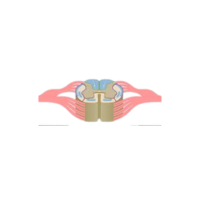
A slender stalk that attaches the ovule to the placenta, supplying nutrients to the developing ovule.
- Hilum
The scar on a seed marking the point where it was attached to the funiculus inside the ovary.
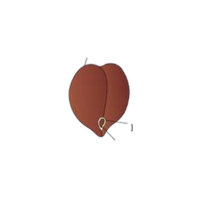
- Micropyle
A tiny opening in the ovule through which the pollen tube enters for fertilization.
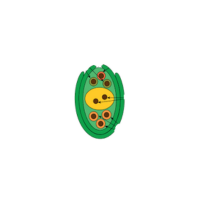
- Embryo
The young developing plant inside a seed, formed after fertilization, capable of growing into a new plant.
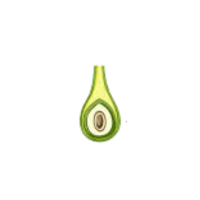
- Endosperm
A nutrient-rich tissue formed after fertilization that provides food for the developing embryo inside the seed.
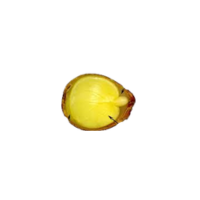
- Cotyledon
The seed leaf of an embryo that stores or absorbs food, helping the seedling during early growth.
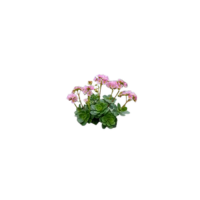
- Hypanthium
A cup-shaped floral structure formed by fused bases of sepals, petals, and stamens, often surrounding the ovary.
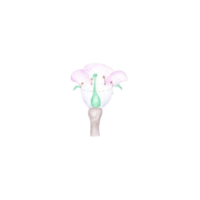
- Spur
A tubular or sac-like extension of a flower part that stores nectar to attract pollinators.
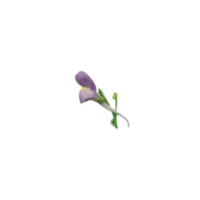
- Disk
A fleshy or glandular structure at the base of the ovary that often secretes nectar.
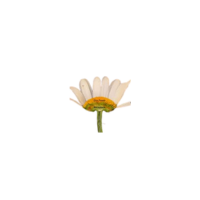
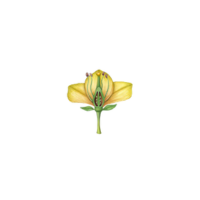
- Gynoecium
The collective female reproductive parts of a flower, consisting of one or more carpels.
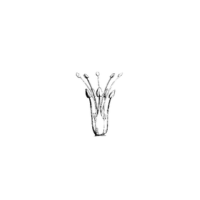
- Androecium
The collective male reproductive parts of a flower, made up of all the stamens.
- Lamina
The broad, flat part of a leaf that carries out photosynthesis and gas exchange.

- Midrib
The main central vein of a leaf that provides support and transports water and nutrients.

- Vein
A vascular strand in a leaf that carries water, minerals, and food while giving structural support.

- Margin
The edge of a leaf, which may be smooth, toothed, lobed, or wavy, helping identify plant species.
Explore Parts of Flowers with their Names and images