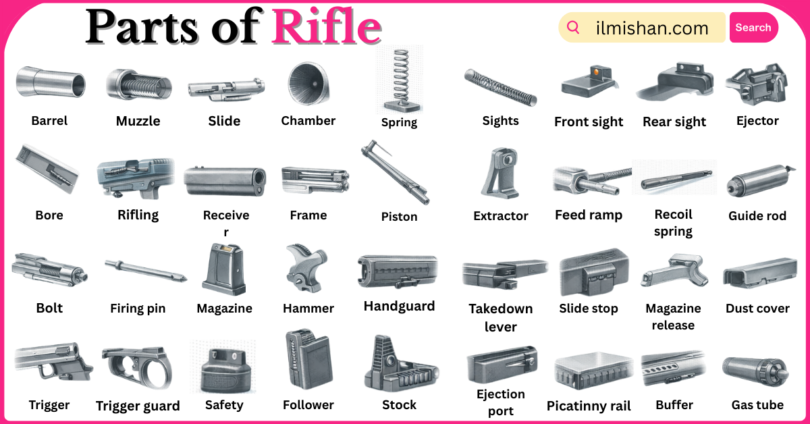

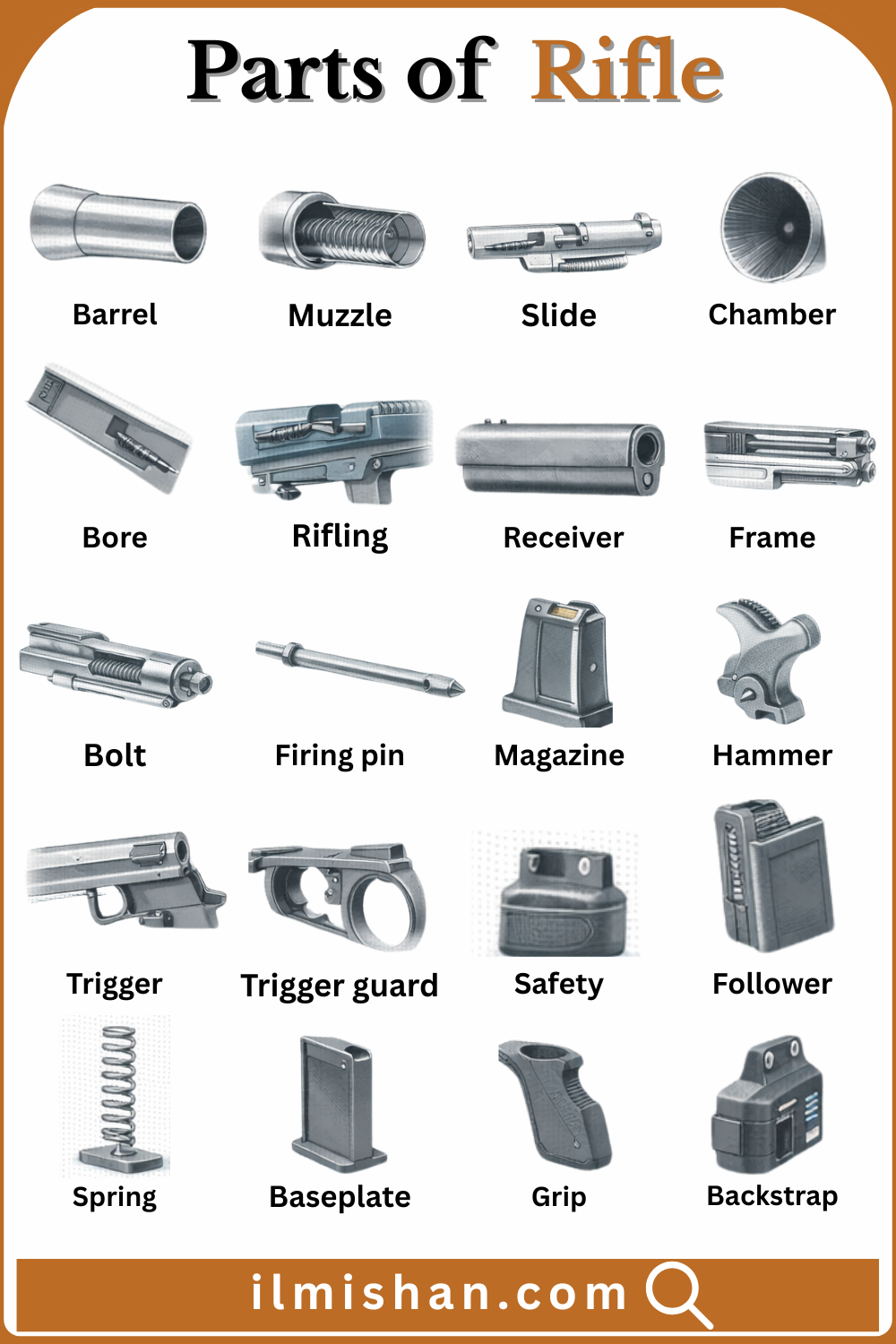
Understanding the parts of rifle with names helps readers learn how this mechanical device is structured and how its components fit together. A rifle is made up of several important sections, and each part has a specific function in its overall design. From the barrel and stock to the trigger and sight, every component plays a role in its operation. Learning the names of rifle parts can improve technical vocabulary and basic mechanical knowledge. It also helps students describe the structure clearly and correctly. When we explore the different sections of a rifle and their names, we gain a clearer picture of how its system is organized.
Parts of Rifle with Names list
- Barrel
- Muzzle
- Chamber
- Bore
- Rifling
- Receiver
- Frame
- Slide
- Bolt
- Firing pin
- Hammer
- Trigger
- Trigger guard
- Safety
- Magazine
- Follower
- Spring
- Baseplate
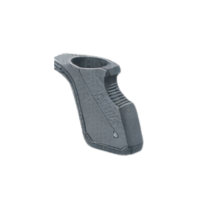
- Grip
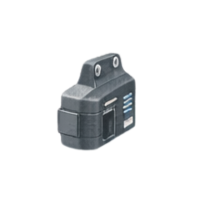
- Backstrap
Rifle Parts Names in English with there Pictures
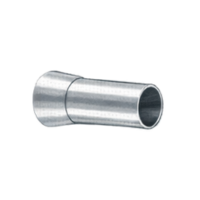
- Barrel
Long steel tube of the rifle through which the bullet travels when fired, containing expanding gases and directing the projectile accurately toward the target.
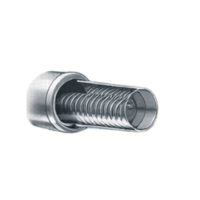
- Muzzle
Front open end of the barrel where the bullet leaves the rifle after firing, releasing gases and sound.
- Chamber
Rear section of the barrel designed to hold a single cartridge securely in place before and during firing.
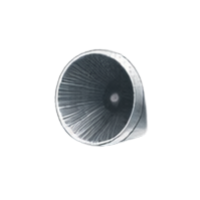
- Bore
Smooth or rifled inner passage of the barrel through which the bullet moves when the rifle is discharged.
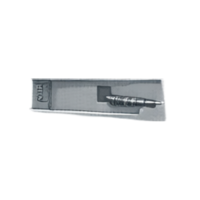
- Rifling
Spiral grooves cut inside the bore that spin the bullet, improving stability, distance, and shooting accuracy.
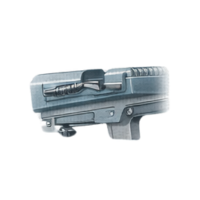
- Receiver
Central metal housing of the rifle that contains the firing mechanism and connects the barrel, stock, and other major components together.
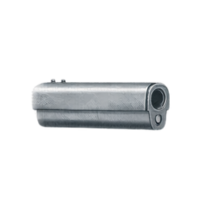
- Frame
Strong structural part that supports internal working components and maintains the rifle’s overall shape and strength.
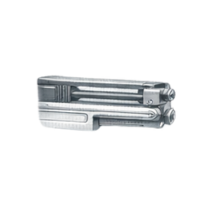
- Slide
Moving upper component found on certain rifle designs that travels back and forth during the firing cycle.
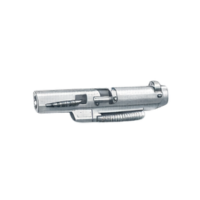
- Bolt
Solid metal mechanism that loads a cartridge into the chamber, locks it for firing, and removes the spent casing afterward.
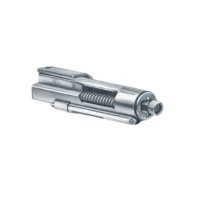
- Firing pin
Small hardened metal rod that strikes the cartridge primer, causing ignition of the gunpowder inside the cartridge.
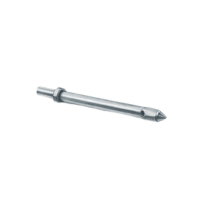
- Hammer
Spring-loaded part that hits the firing pin or primer to initiate the firing process when the trigger is pressed.
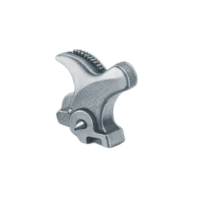
- Trigger
Curved lever pressed by the shooter’s finger to release the firing mechanism and discharge the rifle.
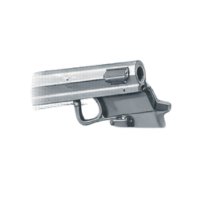
- Trigger guard
Metal or polymer loop surrounding the trigger, designed to protect it from accidental contact or unintended movement.
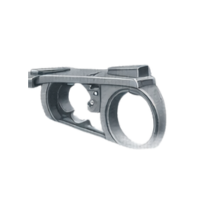
- Safety
Mechanical locking device that blocks the trigger or firing system to prevent accidental discharge of the rifle.
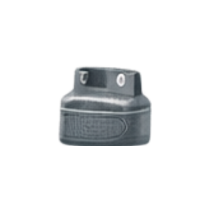
- Magazine
Detachable or fixed container that stores multiple cartridges and feeds them into the chamber during operation.
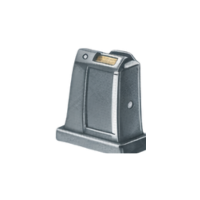
- Follower
Platform inside the magazine that pushes cartridges upward using spring pressure for proper feeding into the chamber.
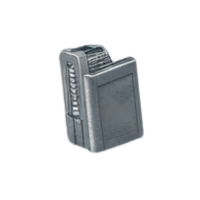
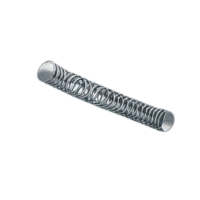
- Spring
Coiled metal component providing tension and energy to operate moving parts such as the bolt or magazine follower.
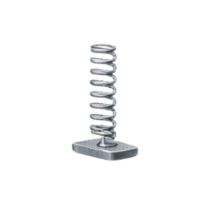
- Baseplate
Bottom cover of the magazine that secures the spring and follower inside while allowing maintenance access.
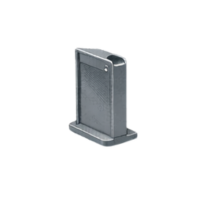
- Grip
Portion of the rifle designed to be firmly held by the shooter’s hand for control and stability.
- Backstrap
Rear surface of the grip that rests against the shooter’s palm, improving comfort, control, and handling during firing.
Rifle Parts Names in English with there Pictures
Explore Rifle parts and Name
- Sights
- Front sight
- Rear sight
- Ejector
- Extractor
- Feed ramp
- Recoil spring
- Guide rod
- Takedown lever
- Slide stop
- Magazine release
- Dust cover
- Ejection port
- Picatinny rail
- Buffer
- Gas tube
- Piston
- Handguard
- Stock
- Buttplate
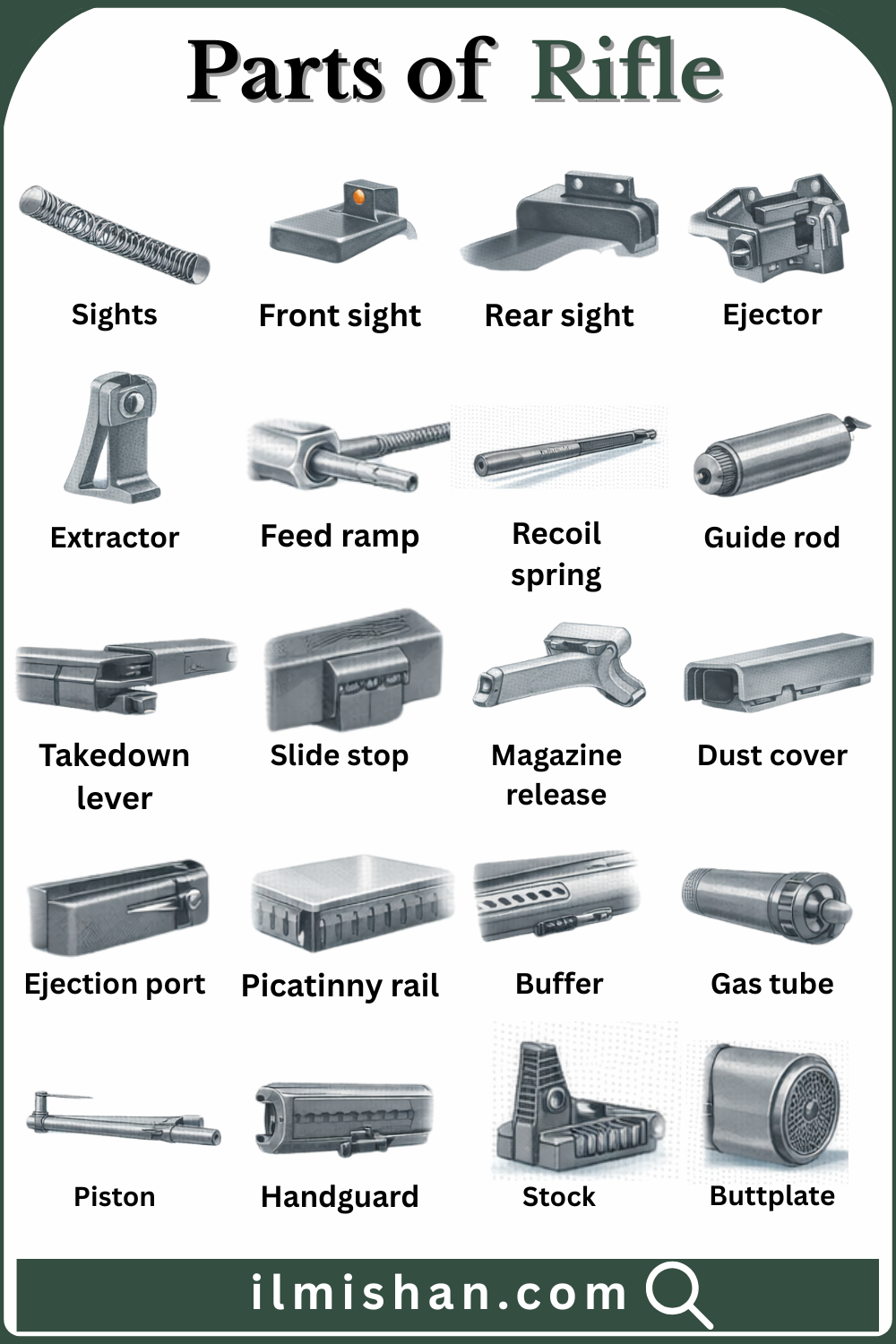
Common Parts of Rifle with their Names and Pictures
- Sights
Aiming devices mounted on the rifle that help the shooter align the barrel with the target for accurate shooting.
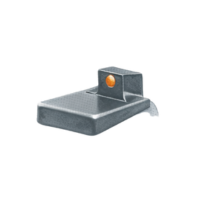
- Front sight
Small sight positioned at the front end of the barrel, used with the rear sight to aim accurately.
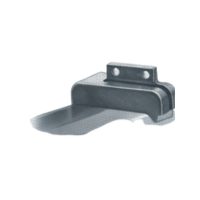
- Rear sight
Sight located near the back of the barrel or receiver, aligned with the front sight for proper targeting.
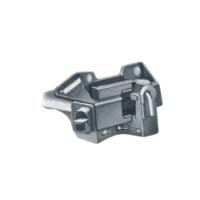
- Ejector
Fixed or moving part that pushes the spent cartridge case out of the rifle after firing.
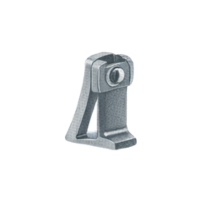
- Extractor
Hook-shaped component that grips the rim of the cartridge case and pulls it from the chamber.
- Feed ramp
Angled surface that guides cartridges smoothly from the magazine into the chamber during loading.
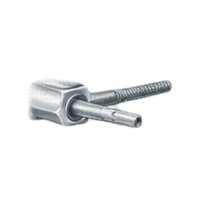
- Recoil spring
Strong spring that absorbs recoil energy and returns the bolt or action to its forward position.
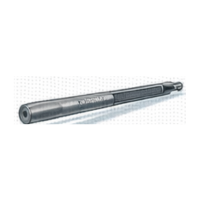
- Guide rod
Metal rod that supports and aligns the recoil spring during the firing cycle.
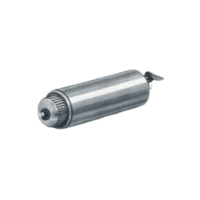
- Takedown lever
Control lever used to safely separate major rifle components for cleaning or maintenance.
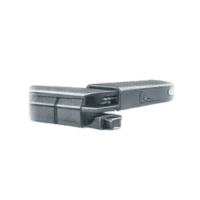
- Slide stop
Device that locks the action open after the last round is fired or when manually engaged.
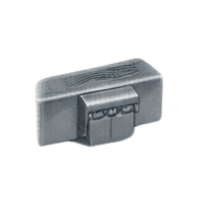
- Magazine release
Button or lever that allows the shooter to remove the magazine from the rifle.
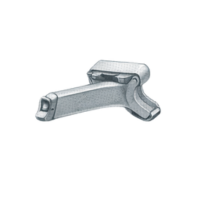
- Dust cover
Protective cover that shields the action from dirt, dust, and debris when closed.
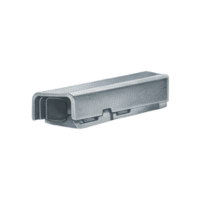
- Ejection port
Opening in the receiver through which spent cartridge cases are expelled.
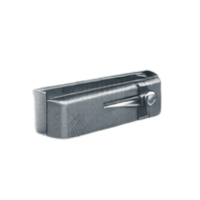
- Picatinny rail
Standardized mounting rail on the rifle for attaching optics, scopes, or other accessories.
- Buffer
Component that reduces impact and recoil by absorbing rearward motion of the bolt or action.
- Gas tube
Hollow tube directing gas from the fired cartridge to cycle the rifle’s action.
- Piston
Moving part driven by gas pressure that operates the action in certain semi-automatic rifles.
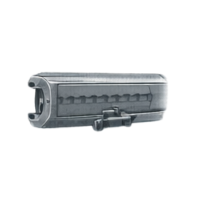
- Handguard
Protective covering around the barrel that allows safe handling and protects hands from heat.
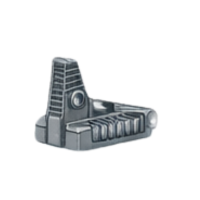
- Stock
Rear portion of the rifle that rests against the shooter’s shoulder for stability and control.
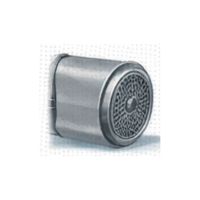
- Buttplate
Rear surface of the stock that contacts the shoulder and helps absorb recoil during firing.
Common Parts of Rifle with their Names and Pictures