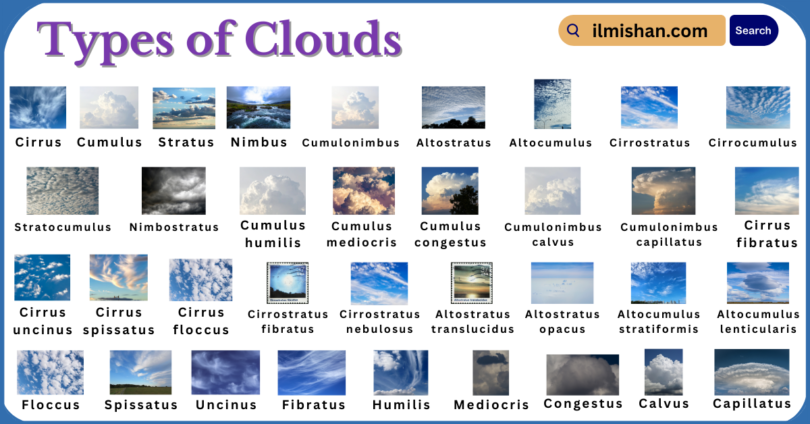

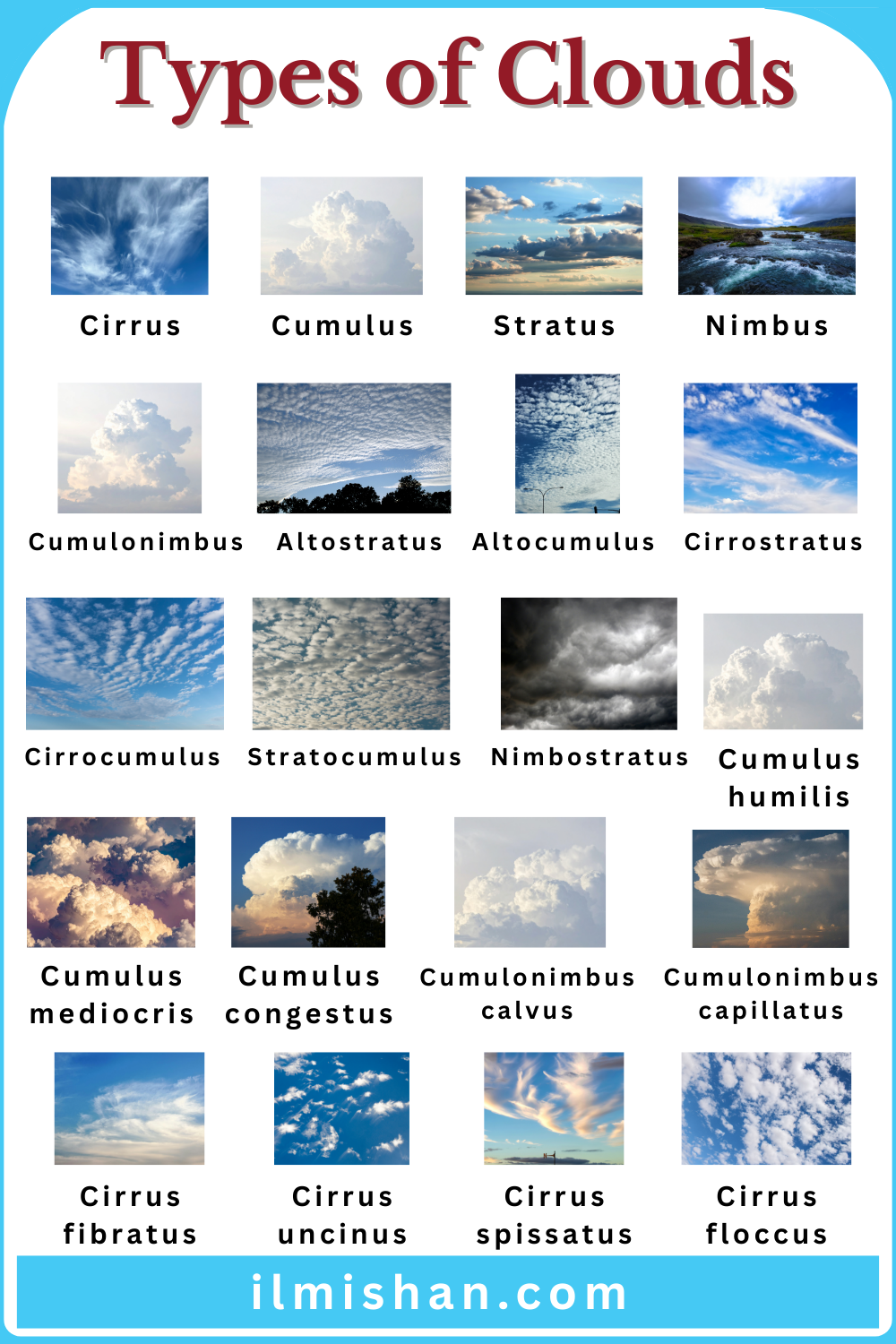
Clouds are one of the most beautiful and fascinating parts of our sky. Every day, we look up and see different shapes, sizes, and colors, but many of us don’t know that each cloud has its own name and meaning. Some clouds bring rain, some bring storms, and others simply float gently on a sunny day. Understanding the types of clouds can help us read the weather and appreciate nature even more. In this article, we’ll learn the main Types of Clouds with Names in English with Pictures, explained in clear and simple language so you can easily recognize them the next time you look at the sky.
List of Cloud with Names in English
- Cirrus
- Cumulus
- Stratus
- Nimbus
- Cumulonimbus
- Altostratus
- Altocumulus
- Cirrostratus
- Cirrocumulus
- Stratocumulus
- Nimbostratus
- Cumulus humilis
- Cumulus mediocris
- Cumulus congestus
- Cumulonimbus calvus
- Cumulonimbus capillatus
- Cirrus fibratus
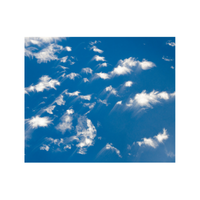
- Cirrus uncinus
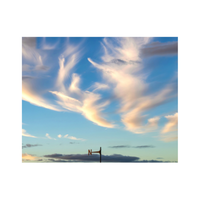
- Cirrus spissatus
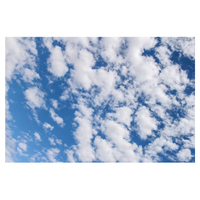
- Cirrus floccus
Types of Clouds with Names and Pictures
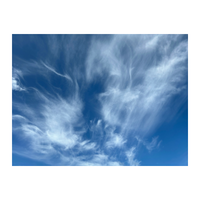
- Cirrus
Thin, wispy high-level clouds made of ice crystals, usually forming delicate streaks across the sky and often signaling fair weather or a coming change in weather conditions.
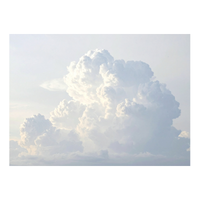
- Cumulus
Puffy, cotton-like clouds with flat bases and rounded tops, commonly seen in fair weather but capable of growing taller and bringing showers if conditions become unstable.
- Stratus
Low, gray cloud layers covering much of the sky, often creating overcast conditions and sometimes producing light mist or drizzle.

- Nimbus
A general term linked with rain-producing clouds, describing clouds that bring steady or heavy precipitation.

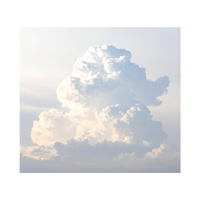
- Cumulonimbus
Tall, towering storm clouds with anvil-shaped tops, producing heavy rain, thunder, lightning, hail, and sometimes tornadoes.
- Altostratus
Gray or blue-gray mid-level clouds covering the sky uniformly, often ahead of widespread rain or snow.

- Altocumulus
Mid-level clouds appearing as white or gray puffy layers or patches, sometimes signaling thunderstorms later in the day.
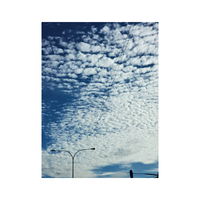
- Cirrostratus
Thin, sheet-like high clouds that can create halos around the sun or moon and often indicate approaching precipitation.
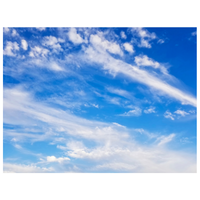
- Cirrocumulus
High-level clouds forming small, rippled white patches, looking like fish scales and usually not producing precipitation.
- Stratocumulus
Low, lumpy cloud layers covering much of the sky, generally dry but possibly bringing light drizzle.

- Nimbostratus
Thick, dark cloud layers producing continuous rain or snow over long periods.
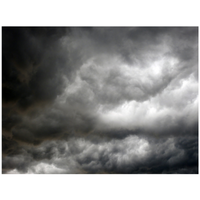
- Cumulus humilis
Small, fair-weather cumulus clouds with limited vertical growth, usually harmless and short-lived.
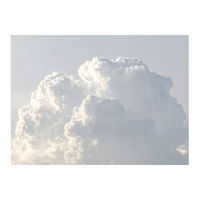
- Cumulus mediocris
Medium-sized cumulus clouds with moderate vertical development, sometimes growing into larger storm clouds.

- Cumulus congestus
Tall, strongly rising cumulus clouds that may develop into thunderstorms with heavy showers.
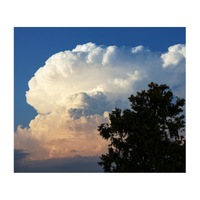
- Cumulonimbus calvus
Developing cumulonimbus clouds with tops that are still smooth and not fully formed into an anvil shape.
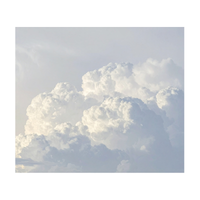
- Cumulonimbus capillatus
Mature cumulonimbus clouds with fibrous, anvil-shaped tops, producing strong storms and heavy precipitation.
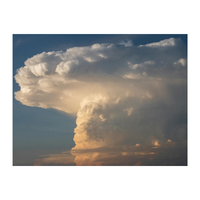
- Cirrus fibratus
High, thin clouds appearing as straight or slightly curved streaks made of ice crystals.
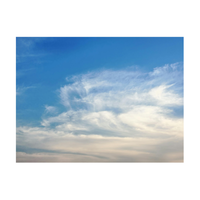
- Cirrus uncinus
High cirrus clouds with hooked or comma-shaped ends, often indicating unstable upper winds.
- Cirrus spissatus
Dense, thick cirrus clouds that appear darker and often form from the remains of thunderstorms.
- Cirrus floccus
Small tufts of cirrus clouds with rounded tops and ragged bases, sometimes linked with instability.
Types of Clouds with Names and Pictures
Common Type of Cloud Name
- Cirrostratus fibratus
- Cirrostratus nebulosus
- Altostratus translucidus
- Altostratus opacus
- Altocumulus stratiformis
- Altocumulus lenticularis
- Altocumulus castellanus
- Altocumulus floccus
- Stratocumulus stratiformis
- Stratocumulus lenticularis
- Stratocumulus castellanus
- Stratocumulus undulatus
- Stratus nebulosus
- Stratus fractus
- Nimbostratus pannus
- Cumulus fractus
- Cumulonimbus incus
- Cumulonimbus mammatus
- Lenticularis
- Castellanus
Different Types of Clouds with Names in English and Pictures
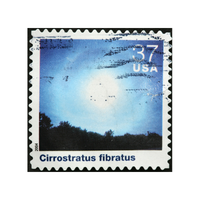
- Cirrostratus fibratus
High, fibrous sheet-like clouds forming a thin veil and often preceding widespread rain.
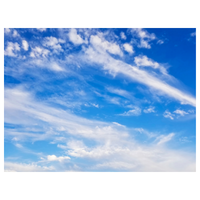
- Cirrostratus nebulosus
Smooth, uniform high cloud layers that cover large areas and create halo effects.
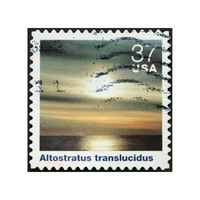
- Altostratus translucidus
Mid-level clouds thin enough to let sunlight or moonlight shine faintly through.
- Altostratus opacus
Thick mid-level cloud layers blocking sunlight completely and producing steady precipitation.

- Altocumulus stratiformis
Broad layers of altocumulus clouds spreading out in sheets or patches across the sky.

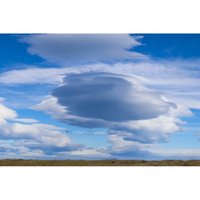
- Altocumulus lenticularis
Lens-shaped mid-level clouds formed by air flowing over mountains, often stationary.
- Altocumulus castellanus
Altocumulus clouds with tower-like tops, signaling possible thunderstorms later.
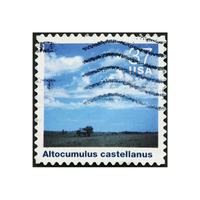
- Altocumulus floccus
Small rounded cloud patches with ragged bottoms at mid-level heights.

- Stratocumulus stratiformis
Extensive low cloud layers with rolling lumps covering wide sky areas.

- Stratocumulus lenticularis
Low-level lens-shaped clouds formed by steady airflow over hills or mountains.

- Stratocumulus castellanus
Low clouds with vertical tower-like features indicating instability.
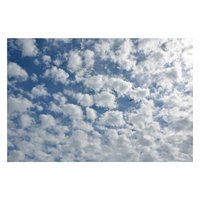
- Stratocumulus undulatus
Low clouds arranged in parallel waves or ripples across the sky.
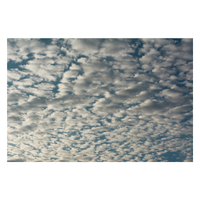
- Stratus nebulosus
Uniform gray low cloud layers resembling fog but not touching the ground.
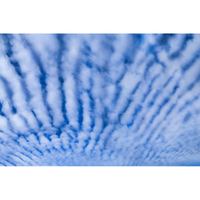
- Stratus fractus
Broken, ragged low cloud fragments often seen in windy conditions.
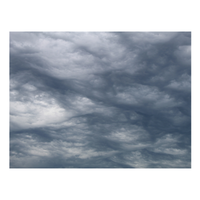
- Nimbostratus pannus
Low, ragged cloud pieces forming beneath rain-producing nimbostratus clouds.
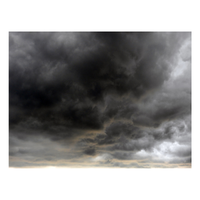
- Cumulus fractus
Small, torn fragments of cumulus clouds drifting quickly in unstable air.

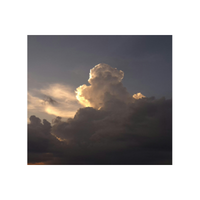
- Cumulonimbus incus
Thunderstorm cloud with a distinctive flat, anvil-shaped top spreading outward.
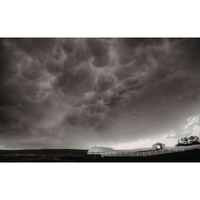
- Cumulonimbus mammatus
Thunderstorm clouds showing pouch-like bulges hanging beneath the base.
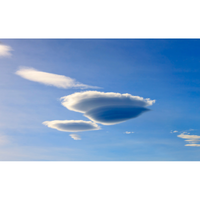
- Lenticularis
Lens-shaped clouds formed by steady airflow over elevated landforms.
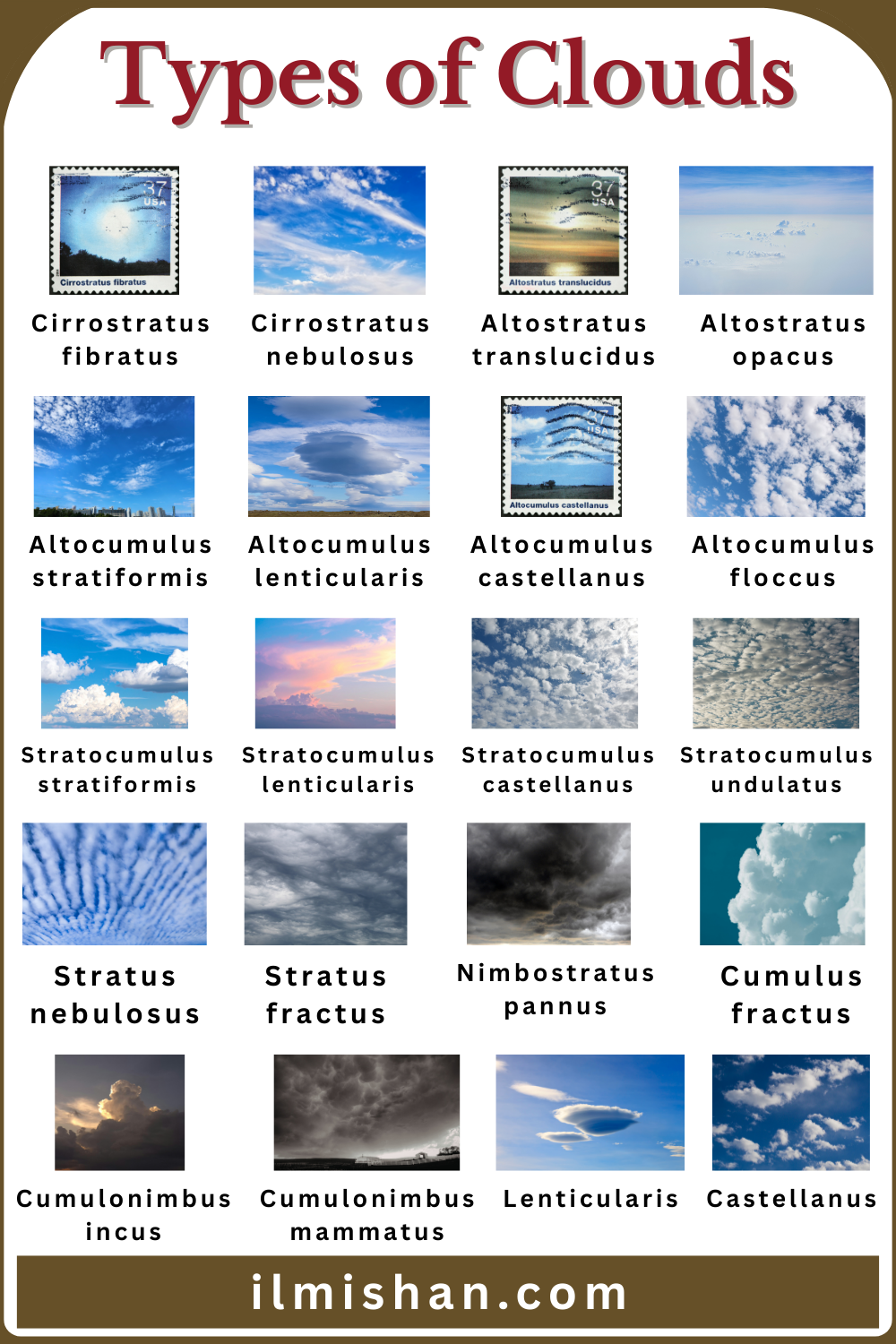
- Castellanus
Clouds with turret-like vertical towers rising from a common base.

Different Types of Clouds with Names in English and Pictures
Names List of Clouds in English
- Floccus
- Spissatus
- Uncinus
- Fibratus
- Humilis
- Mediocris
- Congestus
- Calvus
- Capillatus
- Nebulosus
- Stratiformis
- Lenticular
- Mammatus
- Pannus
- Incus
- Pileus
- Velum
- Arcus
- Tuba
- Undulatus
20 Types of Clouds with Names in English and Images
- Floccus
Small, tufted cloud elements with rounded tops and uneven bottoms.

- Spissatus
Thick and dense cloud formations appearing darker than surrounding clouds.
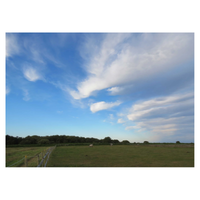
- Uncinus
Hook-shaped cloud forms often found in high cirrus clouds.
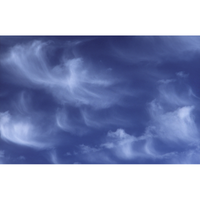
- Fibratus
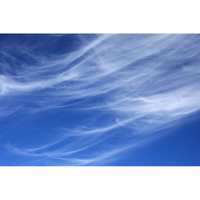
Clouds with long, fibrous streaks stretching across the sky.
- Humilis
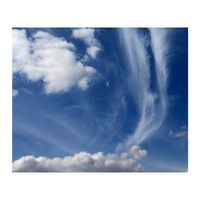
Clouds with low vertical development and limited height growth.
- Mediocris
Clouds showing moderate upward growth but not yet towering.
- Congestus
Strongly growing clouds with significant vertical height and cauliflower appearance.
- Calvus
Clouds with bald, smooth tops lacking fibrous ice features.
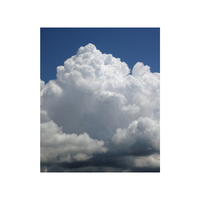
- Capillatus
Clouds with fibrous, hair-like tops made of ice crystals.
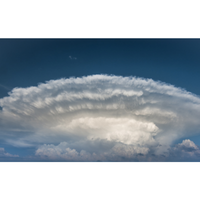
- Nebulosus
Smooth, featureless cloud layers covering wide sky areas.
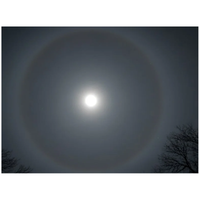
- Stratiformis
Clouds spreading in wide, layered sheets rather than isolated patches.
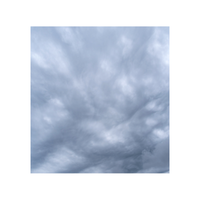
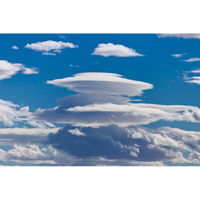
- Lenticular
Lens-shaped cloud formation usually linked with airflow over mountains.
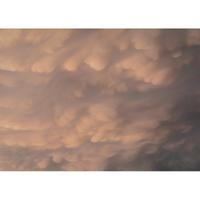
- Mammatus
Pouch-like cloud structures hanging downward from a cloud base.
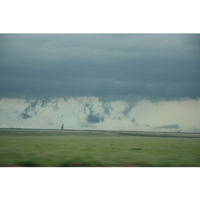
- Pannus
Low, ragged cloud fragments beneath larger rain clouds.
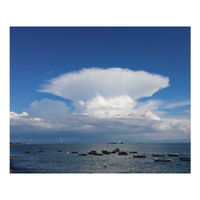
- Incus
Anvil-shaped top of a mature thunderstorm cloud.
- Pileus
Cap-like cloud forming over the top of a growing cumulus cloud.

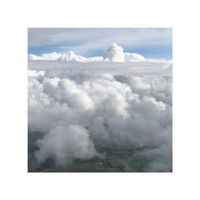
- Velum
Thin cloud veil briefly covering the top of a developing cumulus cloud.
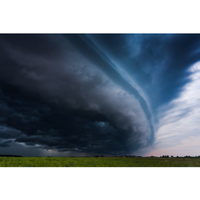
- Arcus
Low, horizontal shelf cloud often forming along the front of a thunderstorm.
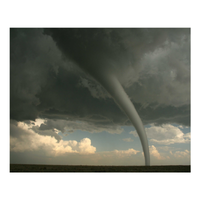
- Tuba
Funnel-shaped cloud descending from a storm cloud, sometimes becoming a tornado.
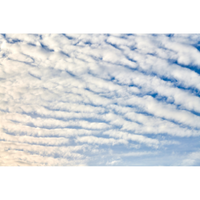
- Undulatus
Clouds arranged in wave-like patterns caused by wind movement.
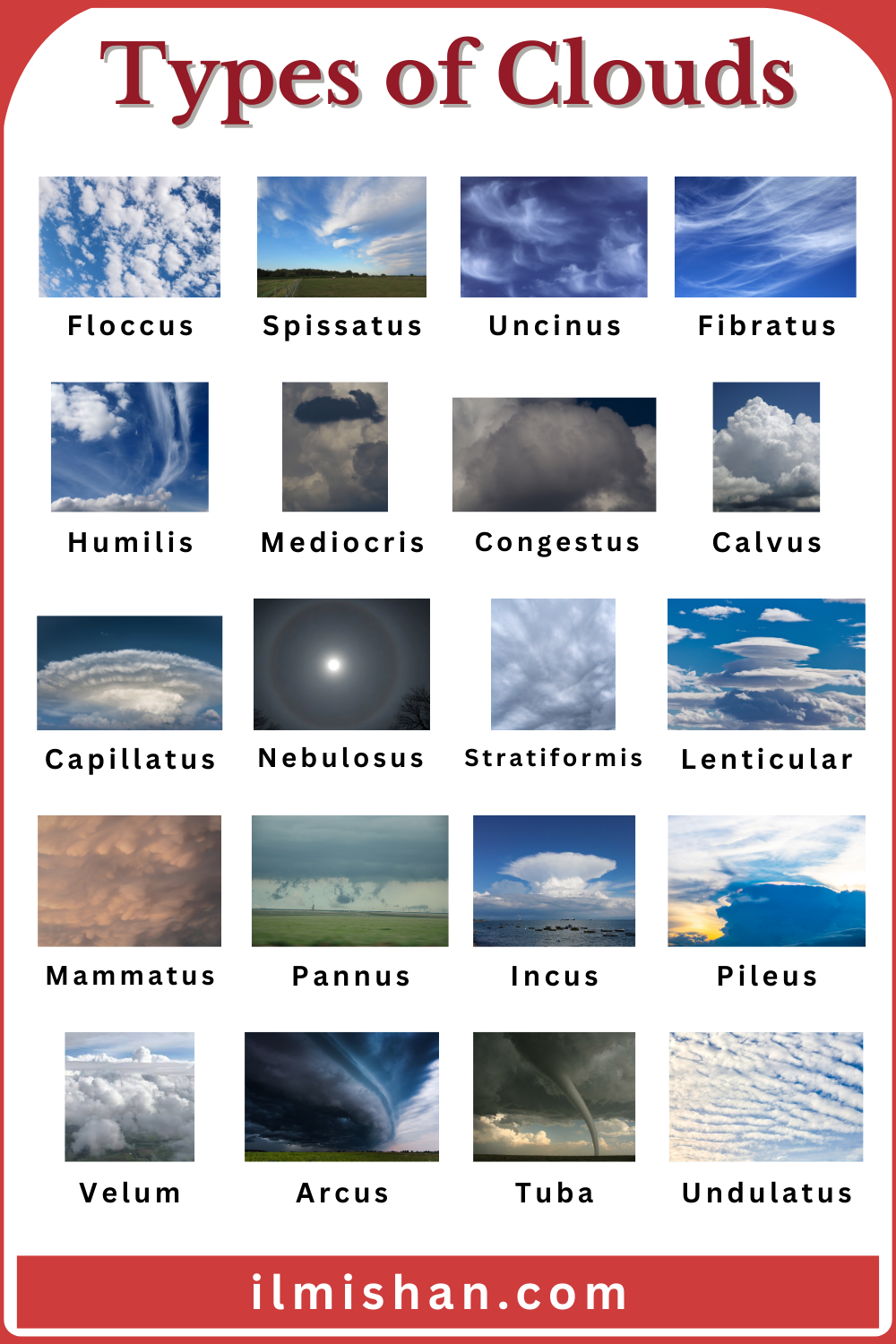
20 Types of Clouds with Names in English and Images
Learn more helpful articles