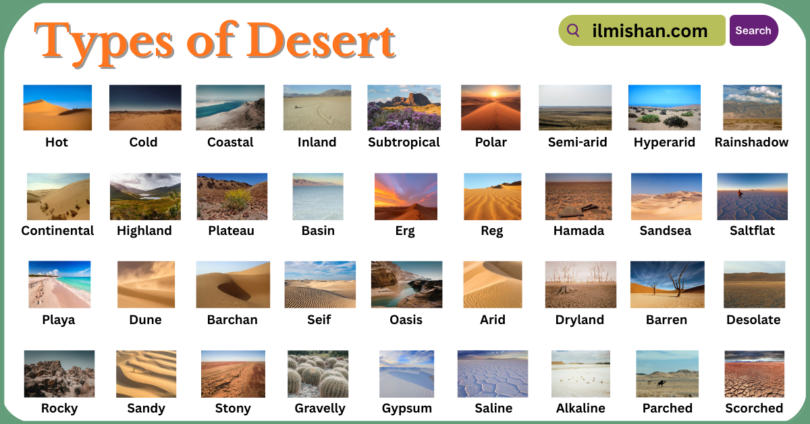

Deserts are dry and hot regions with very little rainfall, where plants and animals have special ways to survive. They can be sandy, rocky, icy, or even salty, and each type of desert has unique features and landscapes. Learning the different types of deserts helps us understand the natural world better and improves vocabulary about geography and nature. In this article, you will learn Types of Desert with Names in English with Pictures, making it easy to recognize them and learn about their characteristics in simple English.
Types of Desert with Names in English
- Hot
- Cold
- Coastal
- Inland
- Subtropical
- Polar
- Semi-arid
- Hyperarid
- Rainshadow
- Continental
- Highland
- Plateau
- Basin
- Erg
- Reg
- Hamada
- Sandsea
- Saltflat
- Playa
- Dune
Different Types of Desert with Names in English and Pictures
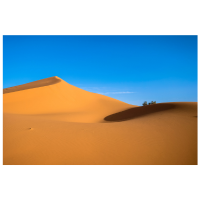
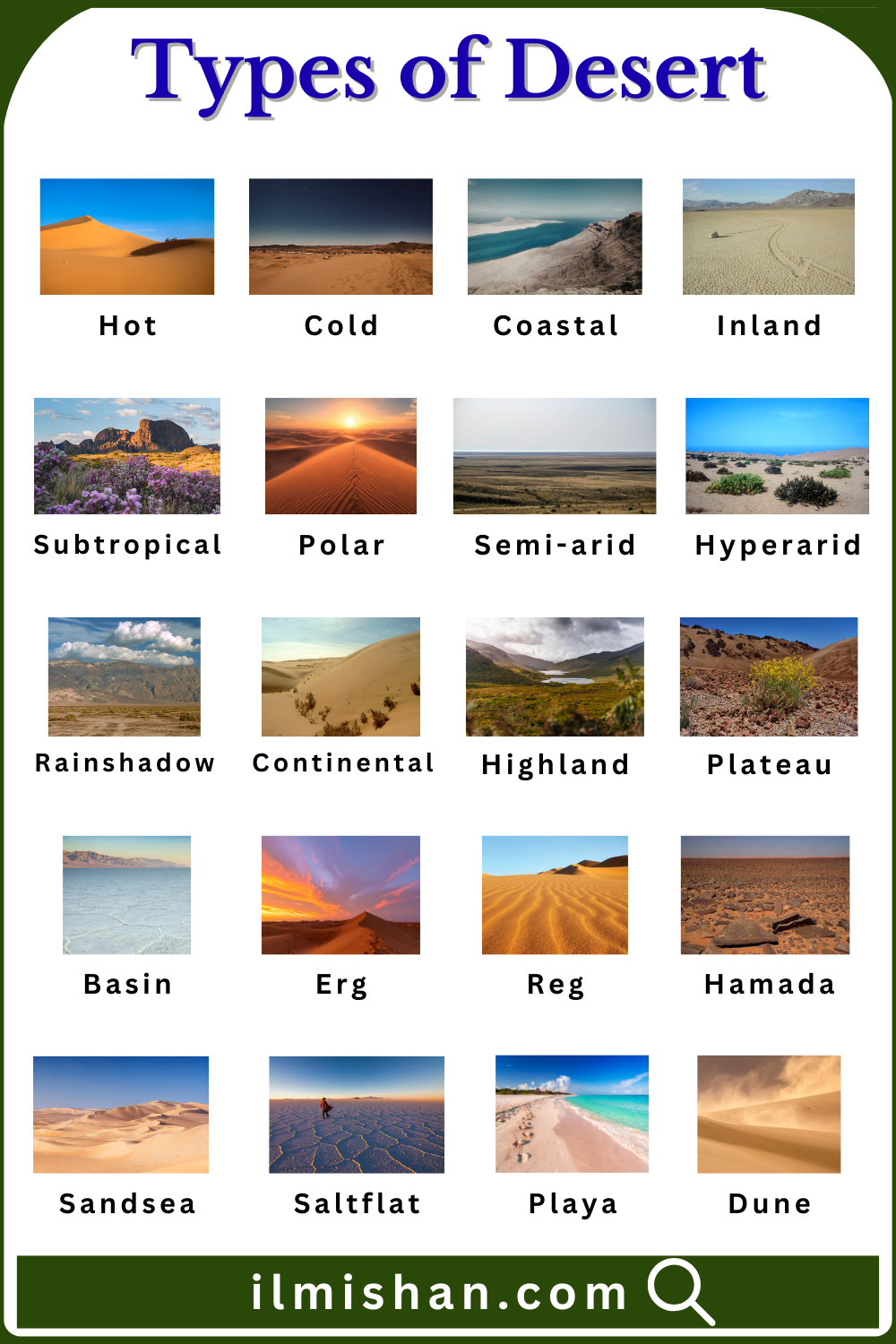
- Hot
A desert climate with very high daytime temperatures, intense sunlight, very low rainfall, and large temperature drops at night due to dry air and clear skies.
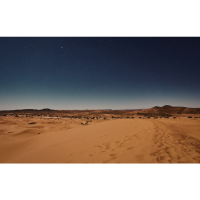
- Cold
A desert climate with very low temperatures, especially in winter, little precipitation, strong winds, and sparse vegetation adapted to freezing and dry conditions.
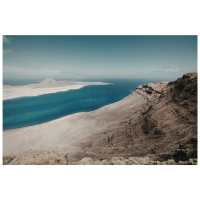
- Coastal
A desert located along a coastline where cold ocean currents reduce rainfall, creating dry conditions with frequent fog, mild temperatures, and limited plant life.
- Inland
A desert found far from oceans where moisture rarely reaches, resulting in low rainfall, extreme seasonal temperatures, and wide dry plains.
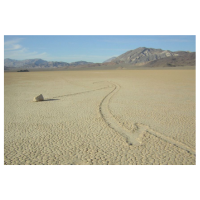
- Subtropical
A desert located near thirty degrees latitude where high pressure systems prevent rainfall, causing hot conditions, clear skies, and dry landscapes year round.
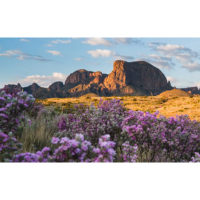
- Polar
A cold desert in polar regions with extremely low precipitation, icy ground, permafrost, and very limited plant and animal life.
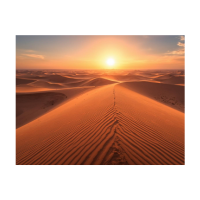
- Semi-arid
A dry region with slightly more rainfall than true deserts, supporting short grasses and shrubs but still facing frequent droughts.
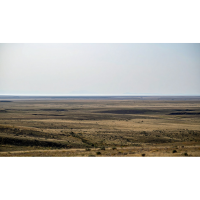
- Hyperarid
An extremely dry desert that receives almost no rainfall for years, with very little vegetation and intense evaporation.
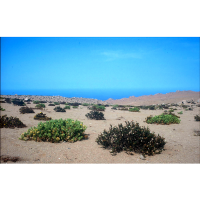
- Rainshadow
A desert formed on the leeward side of mountains where moist air loses rain on the windward side, leaving dry conditions beyond.
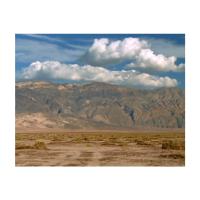
- Continental
A desert deep inside a continent, far from ocean influence, with low rainfall and large differences between summer and winter temperatures.
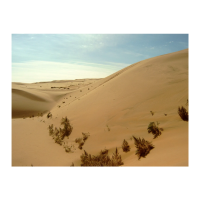
- Highland
A desert at high elevation where mountains block moisture, creating cool temperatures, strong sunlight, and sparse vegetation.
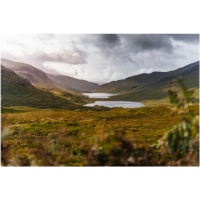
- Plateau
A desert on a high flat landform where low rainfall, thin soil, and temperature extremes limit plant growth.
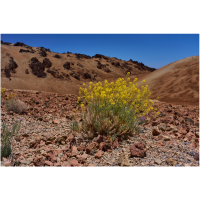
- Basin
A desert in a low enclosed area surrounded by higher land, where water collects temporarily and often leaves salt deposits after evaporation.
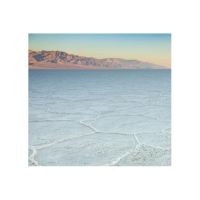
- Erg
A vast area of desert covered mainly with sand dunes formed by wind over a large continuous region.
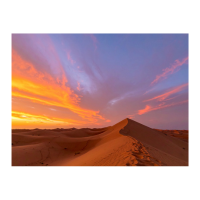
- Reg
A desert surface covered with gravel and stones left after wind removes finer sand and dust.
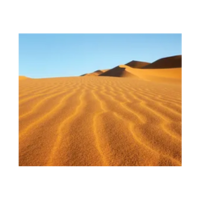
- Hamada
A desert landscape of bare rock and hard stone surfaces with little or no sand and very sparse vegetation.
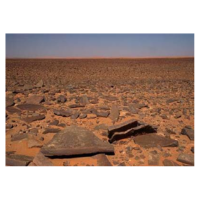
- Sandsea
A large continuous expanse of sand dunes stretching across great distances within a desert.
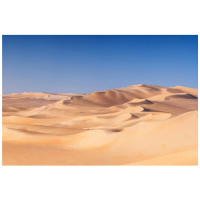
- Saltflat
A flat desert area covered with a crust of salt and minerals formed after water evaporates.
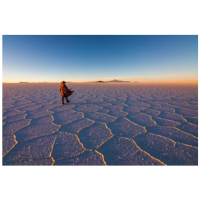
- Playa
A dry lakebed in a desert basin that fills with water after rain and dries into cracked clay and salt layers.
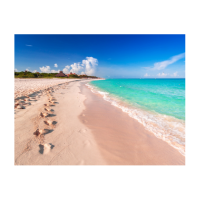
- Dune
A mound or ridge of sand formed and shaped by wind movement in desert areas.
Different Types of Desert with Names in English and Pictures
List of Desert Name in English
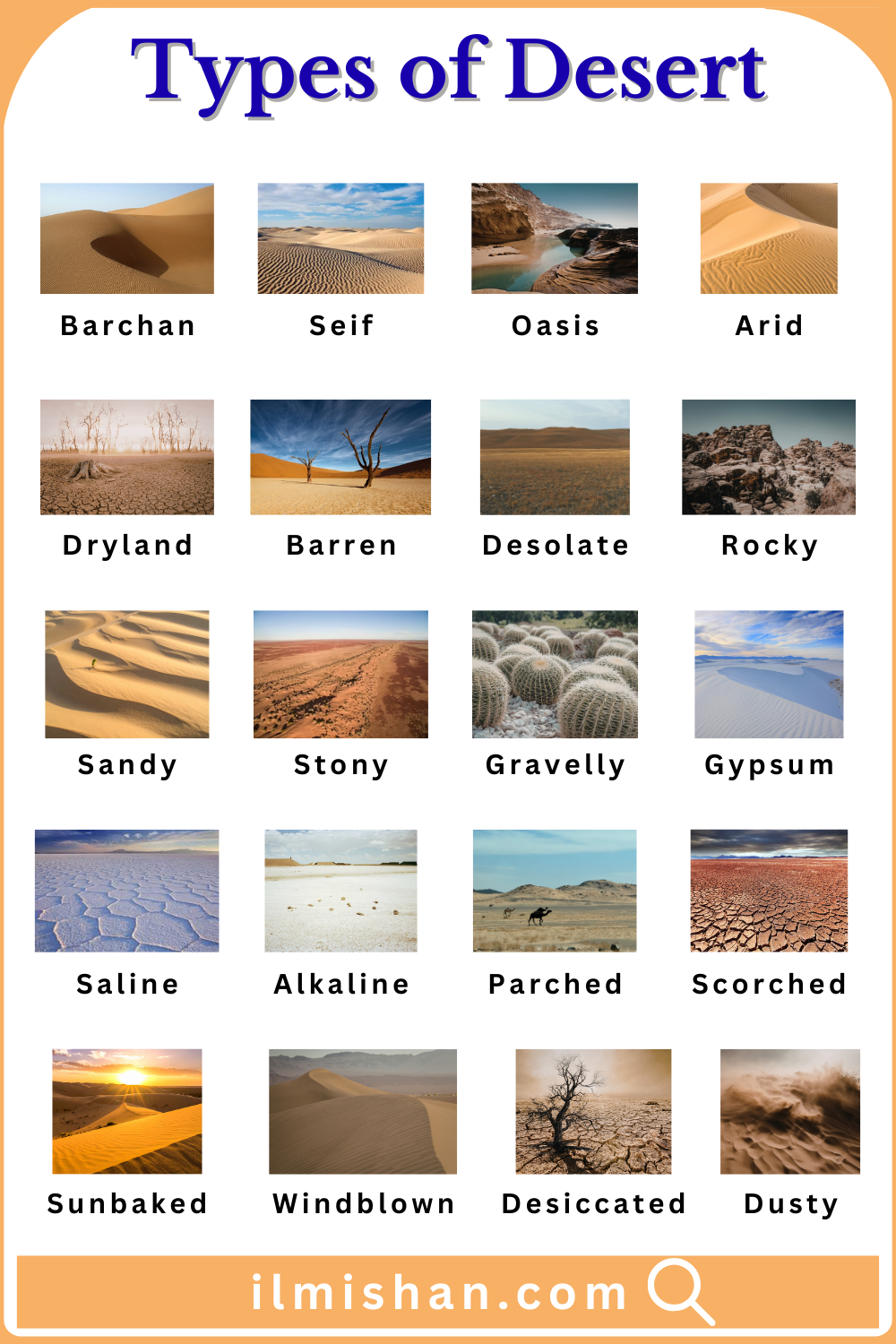
- Barchan
- Seif
- Oasis
- Arid
- Dryland
- Barren
- Desolate
- Rocky
- Sandy
- Stony
- Gravelly
- Gypsum
- Saline
- Alkaline
- Parched
- Scorched
- Sunbaked
- Windblown
- Desiccated
- Dusty
Learn Types of Desert with Names in English and Images
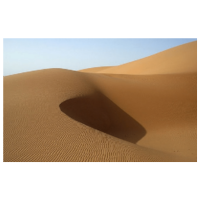
- Barchan
A crescent shaped sand dune formed by steady winds from one direction, with tips pointing downwind.
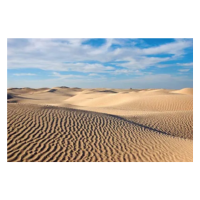
- Seif
A long narrow sand dune formed by alternating wind directions, running roughly parallel to prevailing winds.
- Oasis
A fertile place in a desert where groundwater reaches the surface, allowing plants, animals, and people to live.
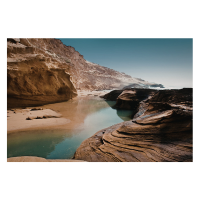
- Arid
A climate condition marked by very low rainfall, high evaporation, and limited natural vegetation.
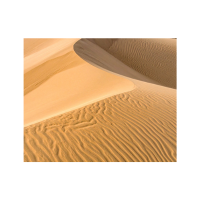
- Dryland
A region with low rainfall where farming depends on conserving moisture and managing soil carefully.
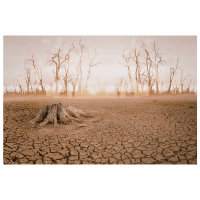
- Barren
Land that lacks vegetation and fertile soil due to dryness, salinity, or harsh environmental conditions.
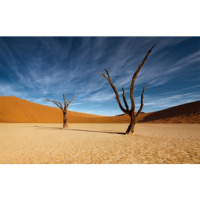
- Desolate
A place that appears empty, harsh, and lifeless, often with extreme climate and little human activity.
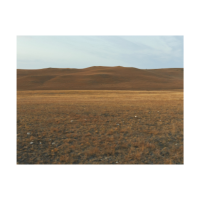
- Rocky
Desert land mainly covered with rocks and stones rather than sand, forming hard uneven surfaces.
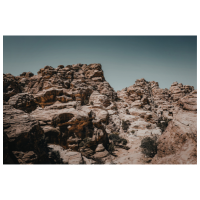
- Sandy
Land covered mostly with loose sand that shifts easily with wind and drains water quickly.
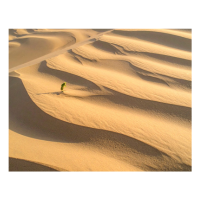
- Stony
Ground scattered with small to medium stones, offering little soil depth for plant growth.
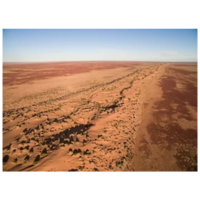
- Gravelly
Soil composed largely of small coarse stones and gravel that allows fast drainage and low moisture
retention.
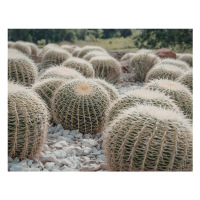
- Gypsum
Soil containing high amounts of gypsum mineral formed through evaporation in dry desert basins.
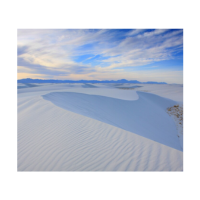
- Saline
Soil or water that contains high levels of dissolved salts, limiting plant growth in arid regions.
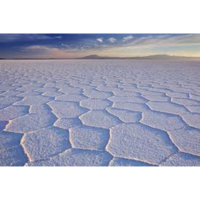
- Alkaline
Soil with a high pH level, often caused by salt buildup in dry climates, affecting nutrient availability.
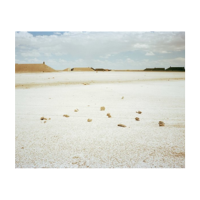
- Parched
Land extremely dried out from long periods without rain, often showing cracked and hardened soil.
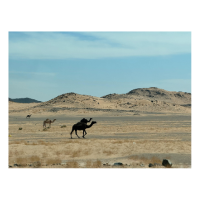
- Scorched
Land damaged or burned by intense heat and prolonged exposure to strong sunlight.
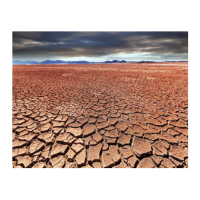
- Sunbaked
Soil hardened and dried by long exposure to hot sun, forming a firm crusted surface.
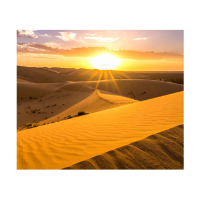
- Windblown
Sand or dust carried and deposited by wind, shaping and reshaping desert surfaces.
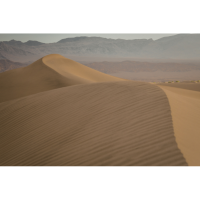
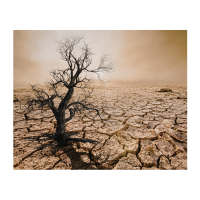
- Desiccated
Completely dried out due to intense heat and evaporation, lacking moisture for long periods.
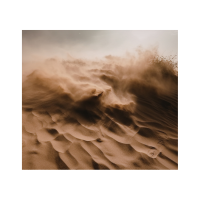
- Dusty
Covered or filled with fine dry soil particles easily lifted into the air by wind.
Learn Types of Desert with Names in English and Images
Learn more helpful articles