

- Chef Knife
- Santoku Knife
- Nakiri Knife
- Gyuto Knife
- Utility Knife
- Paring Knife
- Bread Knife
- Carving Knife
- Slicing Knife
- Boning Knife
- Fillet Knife
- Cleaver
- Veg Cleaver
- Chinese Knife
- Tomato Knife
- Cheese Knife
- Butter Knife
- Table Knife
- Fruit Knife
- Peeler Knife
Types of Knives With Names and Pictures
- Chef Knife
A versatile kitchen knife with a broad blade and sharp edge. Used for chopping, slicing, dicing, and mincing vegetables, meat, and herbs in everyday cooking tasks.
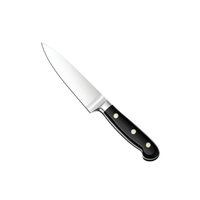
- Santoku Knife
A Japanese all-purpose knife with a shorter, wider blade. Ideal for slicing, chopping, and dicing. Known for its straight edge and balanced design for precise cutting.
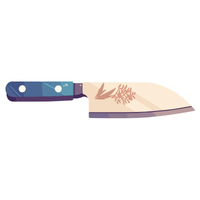
- Nakiri Knife
A Japanese vegetable knife with a flat, rectangular blade. Designed for clean, straight cuts through vegetables without rocking. Excellent for chopping greens and firm produce.
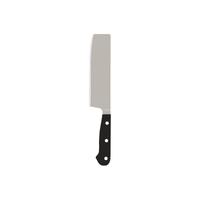
- Gyuto Knife
A Japanese-style chef knife with a thinner blade. Used for meat, fish, and vegetables. Offers sharpness and precision, suitable for both professional and home kitchens.
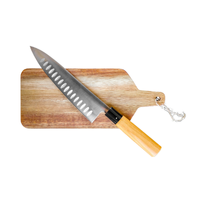
- Utility Knife
A medium-sized knife between a chef and paring knife. Used for slicing fruits, vegetables, and small meats where a large knife feels too heavy.
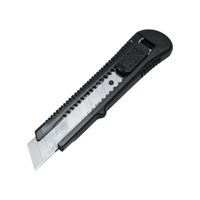
- Paring Knife
A small knife with a narrow blade. Used for peeling, trimming, and detailed work like cutting fruits, vegetables, and garnishes with control and accuracy.
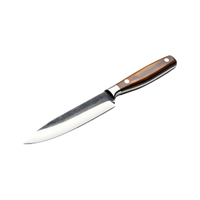
- Bread Knife
A long knife with a serrated edge. Designed to cut bread without crushing it. Easily slices through crusty loaves and soft bread alike.
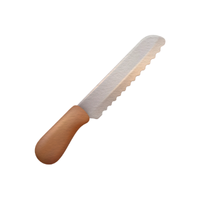
- Carving Knife
A long, thin knife used for slicing cooked meat. Helps create smooth, even slices of roasts, poultry, and large cuts without tearing the meat.
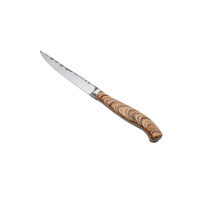
- Slicing Knife
A narrow, flexible knife designed for thin slices. Commonly used for ham, smoked meats, and fish. Produces clean cuts with minimal pressure.
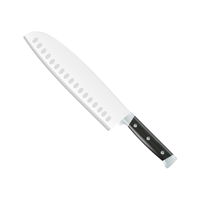
- Boning Knife
A knife with a thin, sharp blade. Used to separate meat from bones. Provides control when trimming fat, joints, and connective tissue.
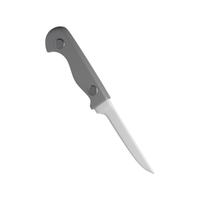
- Fillet Knife
A flexible knife used mainly for fish. Designed to remove skin and bones easily. Allows smooth, precise cuts along delicate fish flesh.
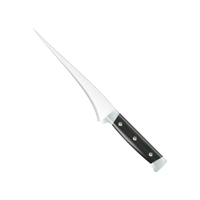
- Cleaver
A large, heavy knife with a wide blade. Used for chopping meat, breaking bones, and crushing ingredients like garlic with strong downward force.
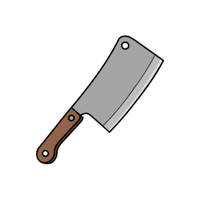
- Veg Cleaver
A lighter cleaver designed for vegetables. Used for chopping, slicing, and scooping produce. Offers a wide blade for fast and efficient vegetable preparation.
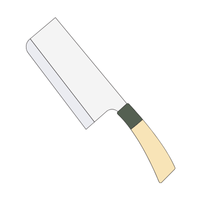
- Chinese Knife
A broad, rectangular knife used for vegetables and meat. Common in Chinese cooking. Works as a slicer, chopper, and scraper during food preparation.
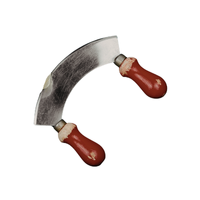
- Tomato Knife
A small knife with a serrated edge. Designed to cut tomatoes cleanly without crushing. Useful for other soft fruits with delicate skins.
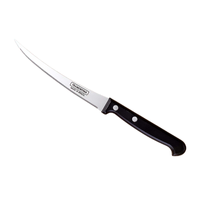
- Cheese Knife
A knife designed to cut cheese smoothly. Often has holes or a narrow blade to prevent sticking. Used for soft and semi-hard cheeses.
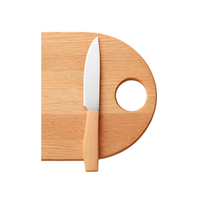
- Butter Knife
A blunt knife used for spreading butter or soft spreads. Not designed for cutting. Commonly used at the dining table during meals.
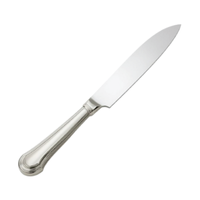
- Table Knife
A general dining knife with a smooth or lightly serrated edge. Used for cutting cooked food during meals. Safe and suitable for everyday table use.
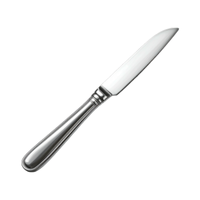
- Fruit Knife
A small, sharp knife used for peeling and cutting fruits. Allows precise cuts and clean slices, especially for soft or juicy fruits.
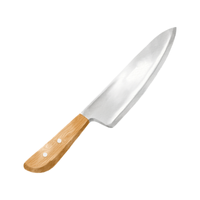
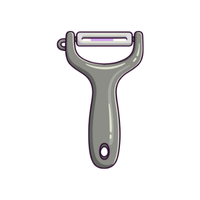
- Peeler Knife
A knife designed for removing thin skins from fruits and vegetables. Helps peel efficiently with minimal waste and smooth, controlled motion.
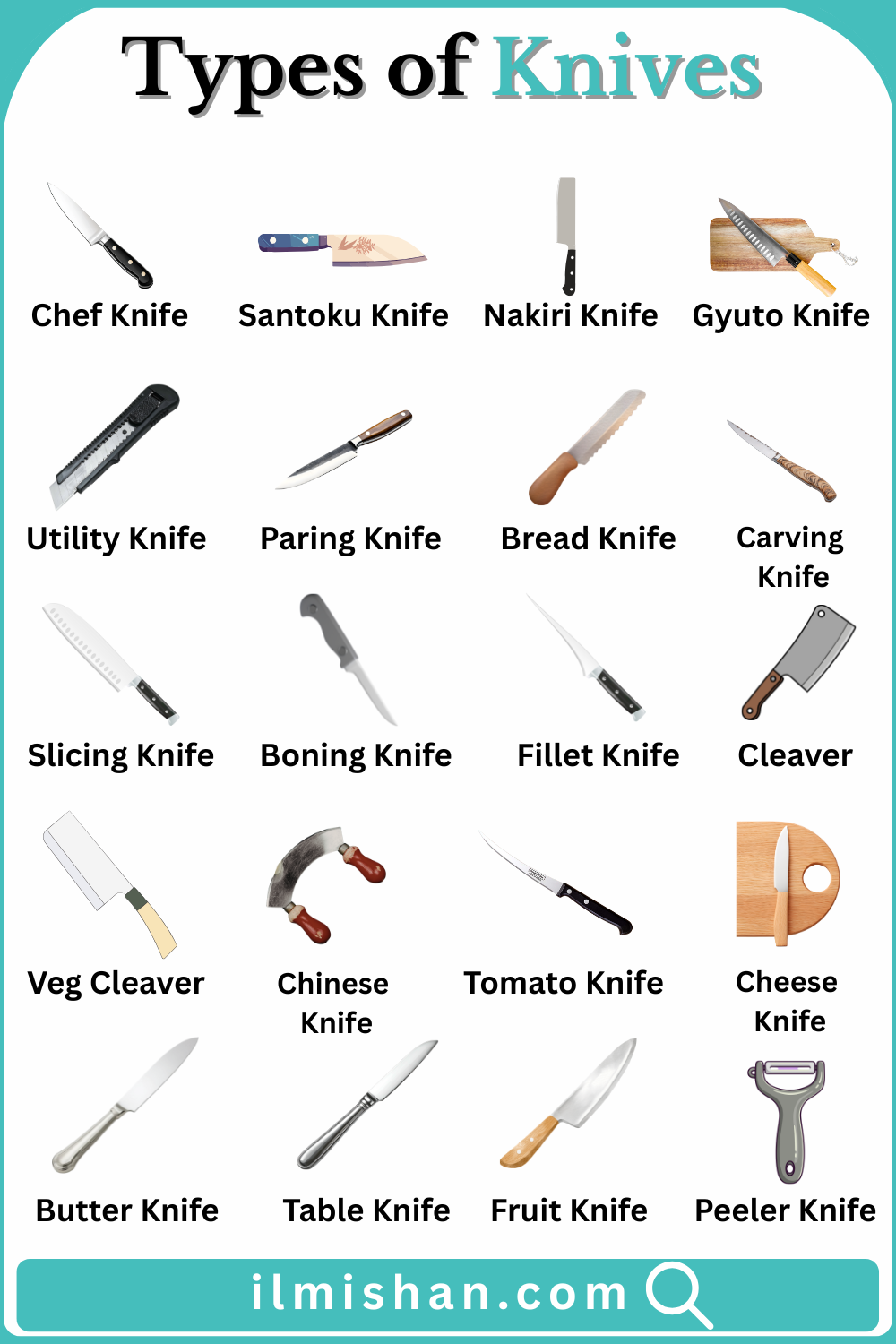
Types of Knives With Names and Pictures
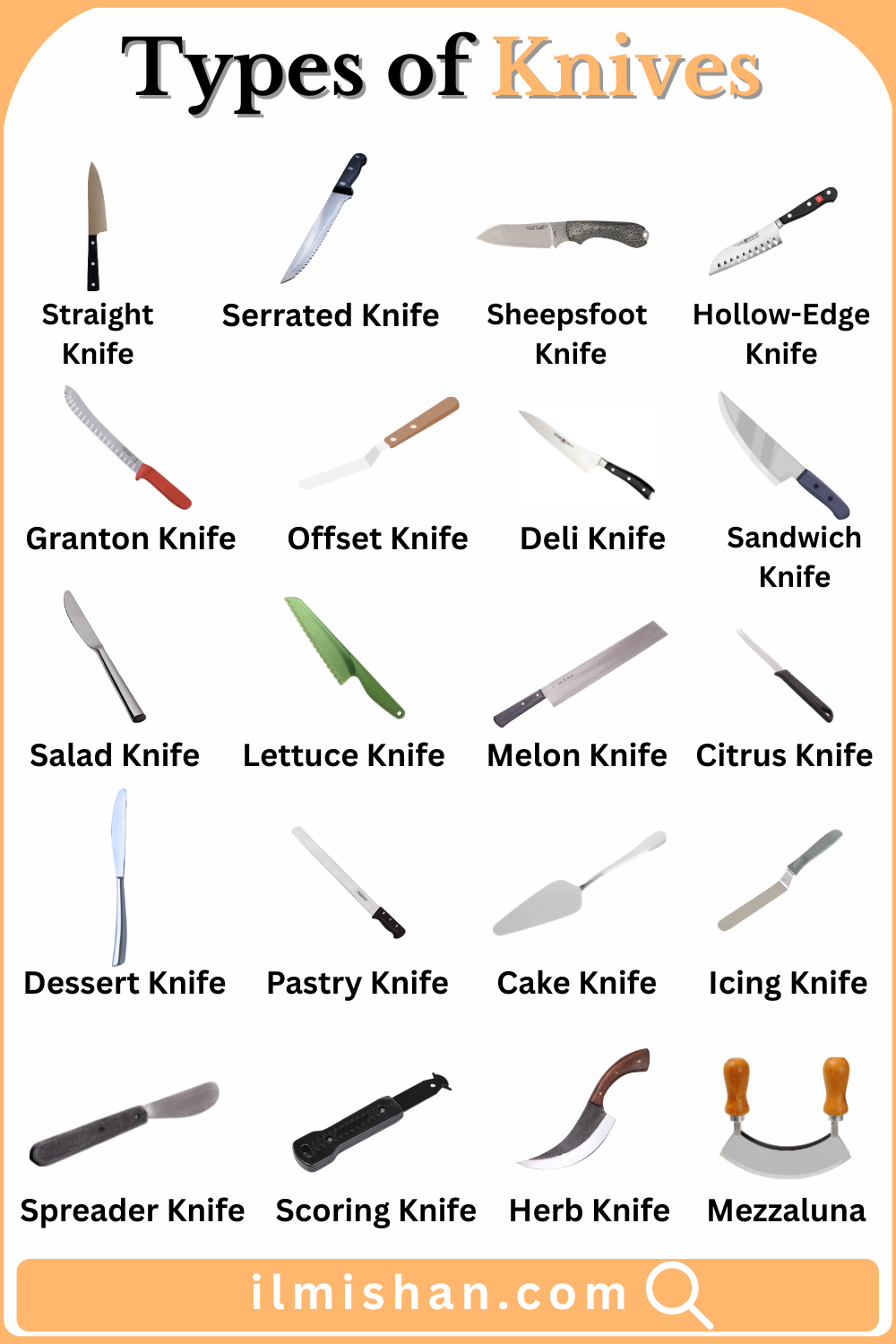
Knives Names List in English
- Straight Knife
- Serrated Knife
- Sheepsfoot Knife
- Hollow-Edge Knife
- Granton Knife
- Offset Knife
- Deli Knife
- Sandwich Knife
- Salad Knife
- Lettuce Knife
- Melon Knife
- Citrus Knife
- Dessert Knife
- Pastry Knife
- Cake Knife
- Icing Knife
- Spreader Knife
- Scoring Knife
- Herb Knife
- Mezzaluna
Different Types of Knives With Names in English And Pictures
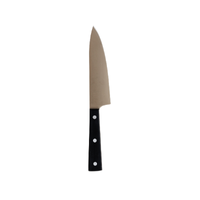
- Straight Knife
A knife with a straight cutting edge. It provides clean, even cuts and is commonly used for slicing, chopping, and general kitchen or utility tasks.
- Serrated Knife
A knife with a saw-like edge. It is ideal for cutting bread, tomatoes, and foods with tough skins and soft interiors.

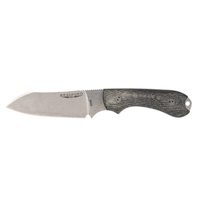
- Sheepsfoot Knife
A knife with a straight edge and rounded tip. It is designed for safe slicing tasks where piercing is not needed.
- Hollow-Edge Knife
A knife with small hollow indentations along the blade. These reduce friction and help food release easily while slicing.
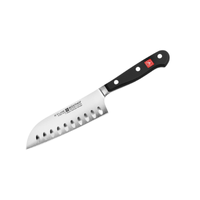
- Granton Knife
A slicing knife with deep oval indentations on the blade. It prevents food from sticking and is often used for meat and vegetables.
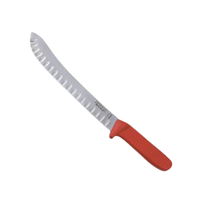
- Offset Knife
A knife with a handle set higher than the blade. This design keeps hands clear of surfaces and improves control during slicing.
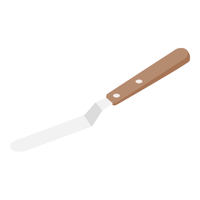
- Deli Knife
A long, sharp knife used for slicing meats and cheeses. It allows smooth, thin cuts in delis and food preparation areas.
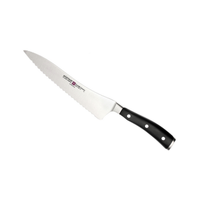
- Sandwich Knife
A knife designed for cutting sandwiches neatly. It often has a serrated edge to slice bread without crushing fillings.

- Salad Knife
A knife used for preparing salad ingredients. It helps cut vegetables and greens cleanly without excessive bruising.
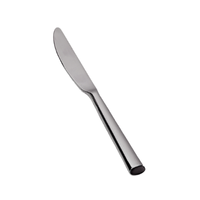
- Lettuce Knife
A non-metal knife designed to cut lettuce. It helps prevent browning by reducing damage to delicate leaves.
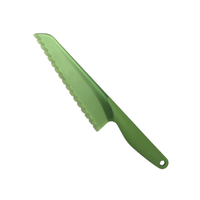
- Melon Knife
A knife designed for cutting melons. It usually has a long blade to slice through thick rinds and soft flesh easily.

- Citrus Knife
A small, sharp knife used for peeling and slicing citrus fruits. It allows precise cuts around the fruit’s skin and segments.
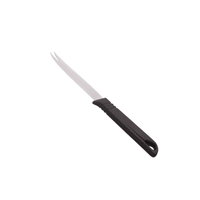
- Dessert Knife
A table knife used for eating desserts. It has a small blade suitable for cakes, pastries, and soft sweet foods.

- Pastry Knife
A knife used for cutting pastries and baked goods. It allows clean cuts without crushing delicate layers.
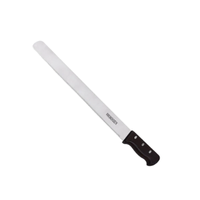
- Cake Knife
A long knife designed for slicing cakes evenly. It often has a smooth or serrated edge for neat presentation.
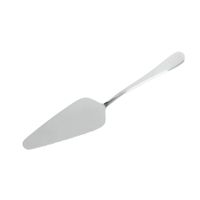
- Icing Knife
A flat, blunt knife used to spread icing. It helps smooth frosting evenly over cakes and desserts.
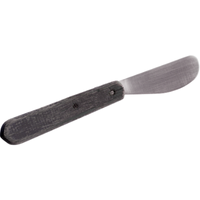
- Spreader Knife
A blunt knife designed for spreading butter, jam, or cheese. It is used at the table for soft food items.
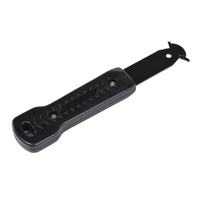
- Scoring Knife
A knife used to make shallow cuts on food. It helps control cooking, baking, or decoration without cutting deeply.
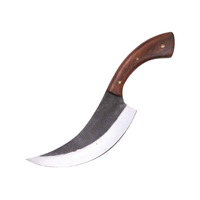
- Herb Knife
A knife designed for chopping herbs. It allows quick, controlled cutting to preserve flavor and texture.
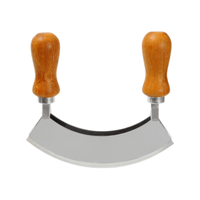
- Mezzaluna
A curved, double-handled knife used for rocking cuts. It is ideal for finely chopping herbs, vegetables, and nuts.
Different Types of Knives With Names in English And Pictures
Names List of Knives in English
- Folding Knife
- Pocket Knife
- Slipjoint Knife
- Lockback Knife
- Liner-Lock Knife
- Frame-Lock Knife
- Flipper Knife
- Thumb-Open Knife
- Gentleman’s Knife
- Keychain Knife
- Mini Knife
- Compact Knife
- Classic Folder
- Drop-Point Folder
- Sheepsfoot Folder
- Wharncliffe Folder
- Clip-Point Folder
- Slim Folder
- Multi-Blade Knife
- Swiss Knife
Most Common Knives Names With Images
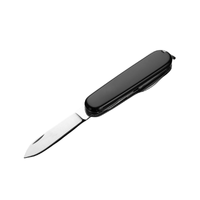
- Folding Knife
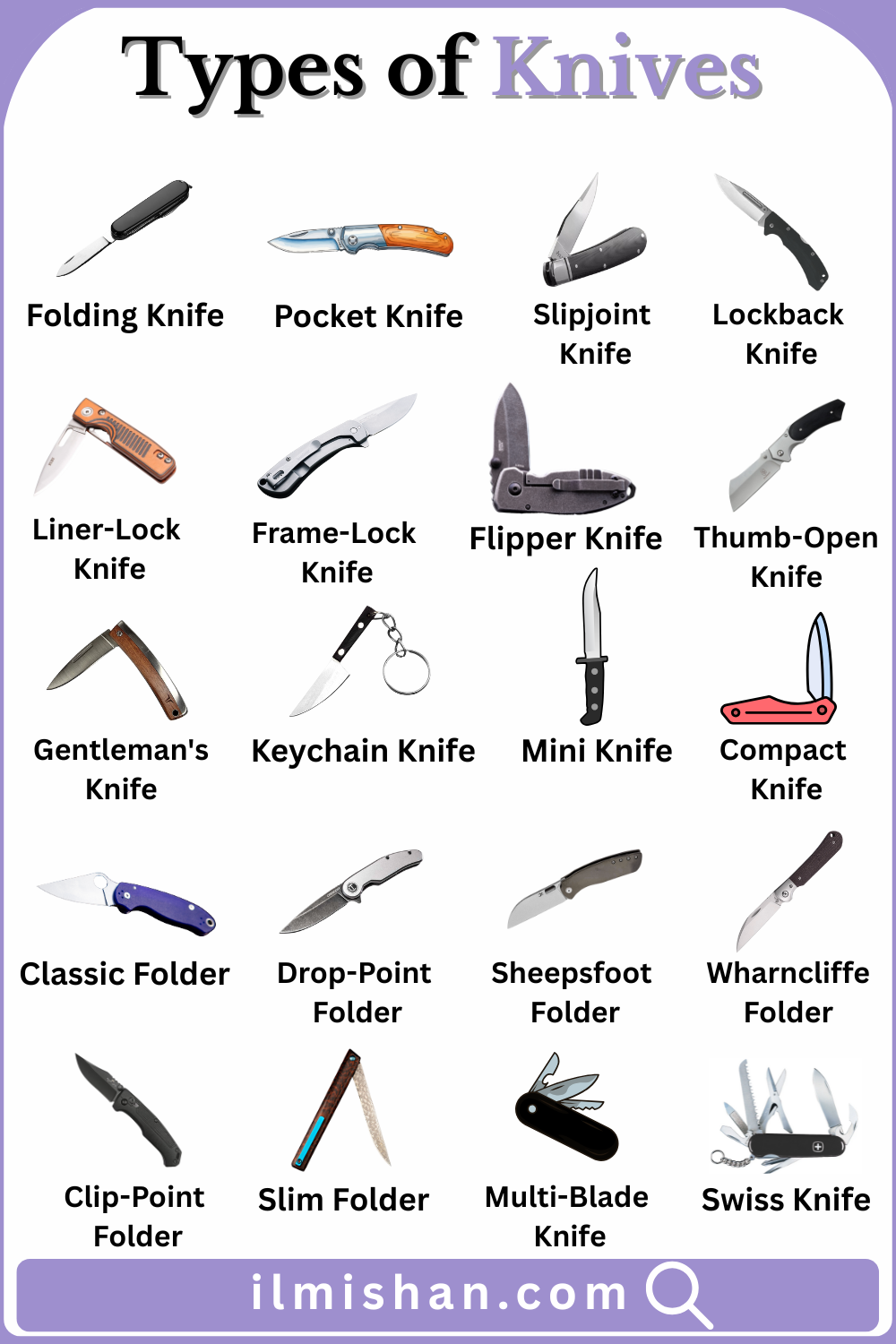
A knife with a blade that folds into the handle for safe carrying. It is compact, portable, and commonly used for daily tasks, outdoor work, and general cutting needs.
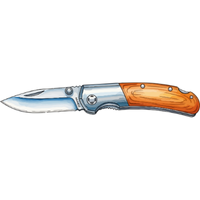
- Pocket Knife
A small folding knife designed to fit easily in a pocket. It is lightweight, convenient, and useful for simple everyday tasks like cutting rope, paper, or food.
- Slipjoint Knife
A folding knife without a locking mechanism. The blade stays open using spring tension, making it safer for light tasks but requiring careful handling during use.
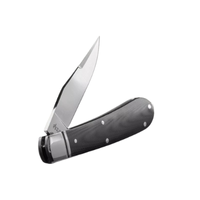
- Lockback Knife
A folding knife with a locking bar on the back of the handle. This lock holds the blade firmly open, providing safety and stability during cutting tasks.
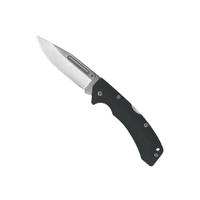
- Liner-Lock Knife
A folding knife where a metal liner locks the blade open from inside the handle. It allows one-handed use and is popular for everyday carry.
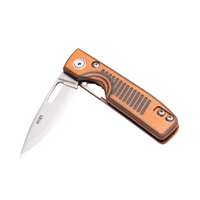
- Frame-Lock Knife
A strong folding knife where part of the handle frame locks the blade. It offers durability, secure blade control, and is preferred for heavy-duty cutting tasks.
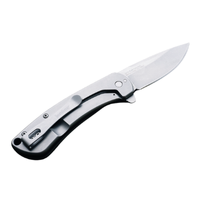
- Flipper Knife
A folding knife with a protruding tab that flips the blade open quickly. It allows fast, smooth one-handed opening and is common in modern knife designs.
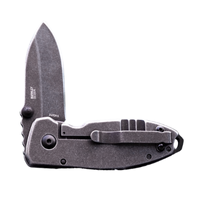
- Thumb-Open Knife
A folding knife opened using a thumb stud or hole on the blade. It provides controlled, one-handed opening and is practical for everyday and work use.
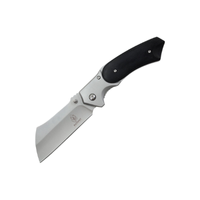
- Gentleman’s Knife
A slim, elegant folding knife designed for formal or office carry. It focuses on style, light cutting tasks, and discreet use rather than heavy-duty work.

- Keychain Knife
A very small folding knife attached to a keychain. It is easy to carry, lightweight, and suitable for minor cutting needs in emergencies.
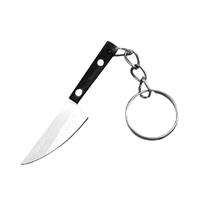
- Mini Knife
A compact knife smaller than standard pocket knives. It offers portability and convenience for light tasks while fitting easily into pockets or small bags.
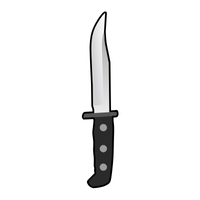
- Compact Knife
A knife designed to be small but functional. It balances portability and usefulness, making it ideal for everyday carry without taking much space.
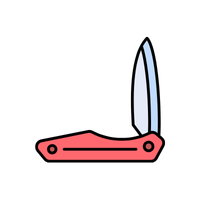
- Classic Folder
A traditional folding knife with a simple design. It often features smooth opening, reliable construction, and a timeless style used for general purposes.
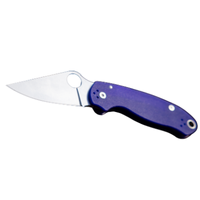
- Drop-Point Folder
A folding knife with a blade that gently slopes down to the tip. This design offers strong control, making it suitable for utility, hunting, and everyday use.
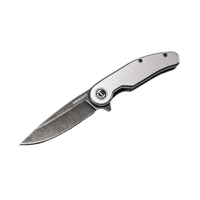
- Sheepsfoot Folder
A folding knife with a straight cutting edge and rounded tip. It is designed for safe slicing tasks where control is more important than piercing.
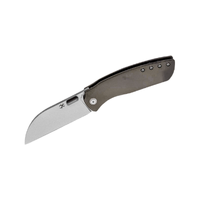
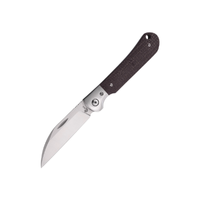
- Wharncliffe Folder
A folding knife with a straight edge and sharply sloping spine. It provides precise cutting control and is ideal for detailed and utility work.
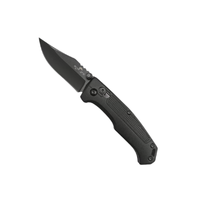
- Clip-Point Folder
A folding knife with a concave cut near the tip of the blade. This shape creates a sharp point, making it effective for piercing and slicing.
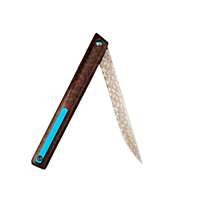
- Slim Folder
A thin folding knife designed for comfortable pocket carry. It is lightweight, discreet, and suitable for everyday tasks without adding bulk.
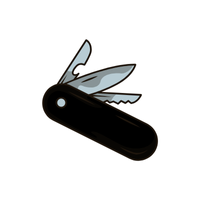
- Multi-Blade Knife
A knife featuring two or more blades in one handle. It offers versatility by providing different blade shapes for various cutting needs.
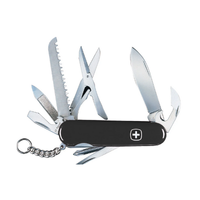
- Swiss Knife
A multi-function pocket knife that includes blades and tools like scissors and screwdrivers. It is designed for convenience, versatility, and everyday problem-solving.
Most Common Types of Knives with Names With Images
20 Names of Knives in English
- Craft Knife
- Hobby Knife
- Precision Knife
- Detail Knife
- Carving Knife (wood)
- Chip Knife
- Whittle Knife
- Leather Knife
- Fabric Knife
- Tailor Knife
- Seam Knife
- Rope Knife
- Box Cutter
- Utility Cutter
- Safety Cutter
- Hook Knife
- Curved Knife
- Straight-Back Knife
- Narrow Knife
- Wide Knife
Different Types of Knives Names With Pictures
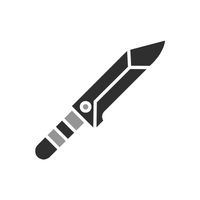
- Craft Knife
A small, sharp knife designed for crafts and light cutting. It is used for paper, cardboard, plastic, and detailed hobby projects requiring clean, controlled cuts.
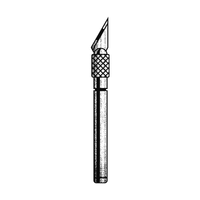
- Hobby Knife
A precision knife with a thin, replaceable blade. It is commonly used by hobbyists for model making, artwork, trimming materials, and detailed cutting tasks.
- Precision Knife
A fine-bladed knife made for accurate, delicate cuts. It allows high control and is ideal for design work, crafts, models, and small repair projects.
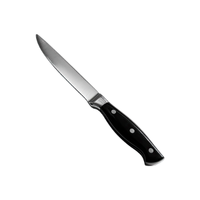
- Detail Knife
A lightweight knife designed for intricate cutting work. It helps create fine details in crafts, art projects, models, and materials needing careful shaping.
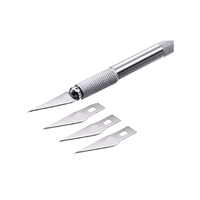
- Carving Knife (wood)
A knife specially shaped for carving wood. It is used to shape, smooth, and detail wooden objects with controlled hand movements.
- Chip Knife
A short-bladed woodcarving knife used to remove small chips of wood. It helps create rough shapes and basic forms during carving work.
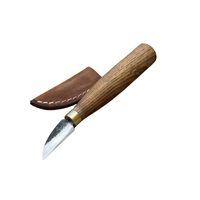
- Whittle Knife
A simple knife used for whittling wood by hand. It is designed for shaving thin pieces to create small wooden shapes and figures.
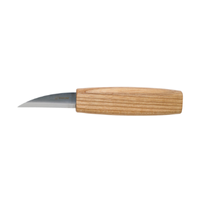
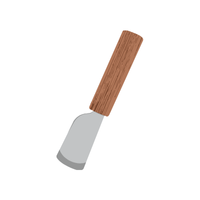
- Leather Knife
A sharp knife designed for cutting leather. It allows clean, smooth cuts when shaping belts, bags, shoes, and other leather products.
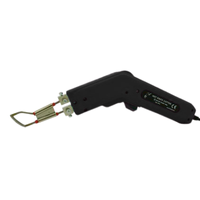
- Fabric Knife
A knife made for cutting fabric smoothly. It helps tailors and crafters cut cloth accurately without fraying or damaging the material.
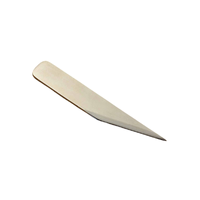
- Tailor Knife
A cutting tool used by tailors for marking or cutting fabric. It assists in shaping cloth pieces accurately during garment making.
- Seam Knife
A small knife used to open seams in fabric. It helps remove stitches carefully without tearing the cloth.

- Rope Knife
A sturdy knife designed for cutting ropes and cords. It often has a sharp, strong blade suitable for outdoor, marine, and utility use.
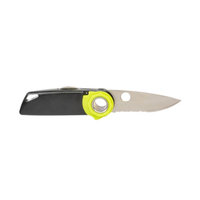
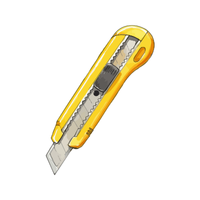
Box Cutter
A knife with a retractable razor blade used for opening boxes. It is common in warehouses and homes for cutting cardboard and packaging.
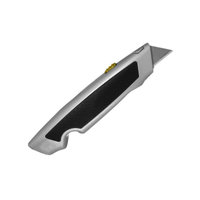
- Utility Cutter
A general-purpose cutting knife with replaceable blades. It is used for cutting materials like plastic, carpet, paper, and thin wood.
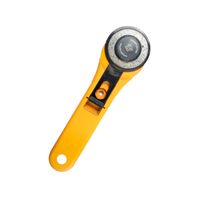
Safety Cutter
A cutting tool designed to reduce injury risk. It often has a guarded blade, making it safer for workplaces and frequent cutting tasks.
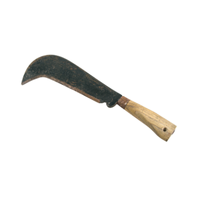
- Hook Knife
A knife with a curved, hook-shaped blade. It is used for cutting straps, ropes, fabric, or linings without damaging surfaces underneath.
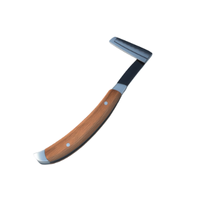
- Curved Knife
A knife with a curved blade edge. It is useful for slicing, carving, and controlled cutting where smooth, rounded motion is required.
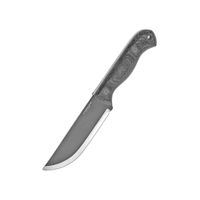
- Straight-Back Knife
A knife with a straight spine on the back of the blade. This design provides strength, control, and steady cutting performance.
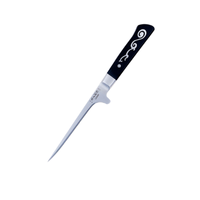
- Narrow Knife
A knife with a slim blade designed for precise cuts. It is useful for detail work, tight spaces, and controlled slicing tasks.
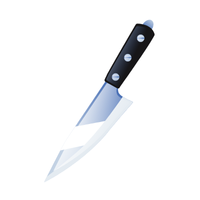
- Wide Knife
A knife with a broad blade surface. It is used for stronger cuts, spreading materials, or tasks requiring more blade coverage and stability.
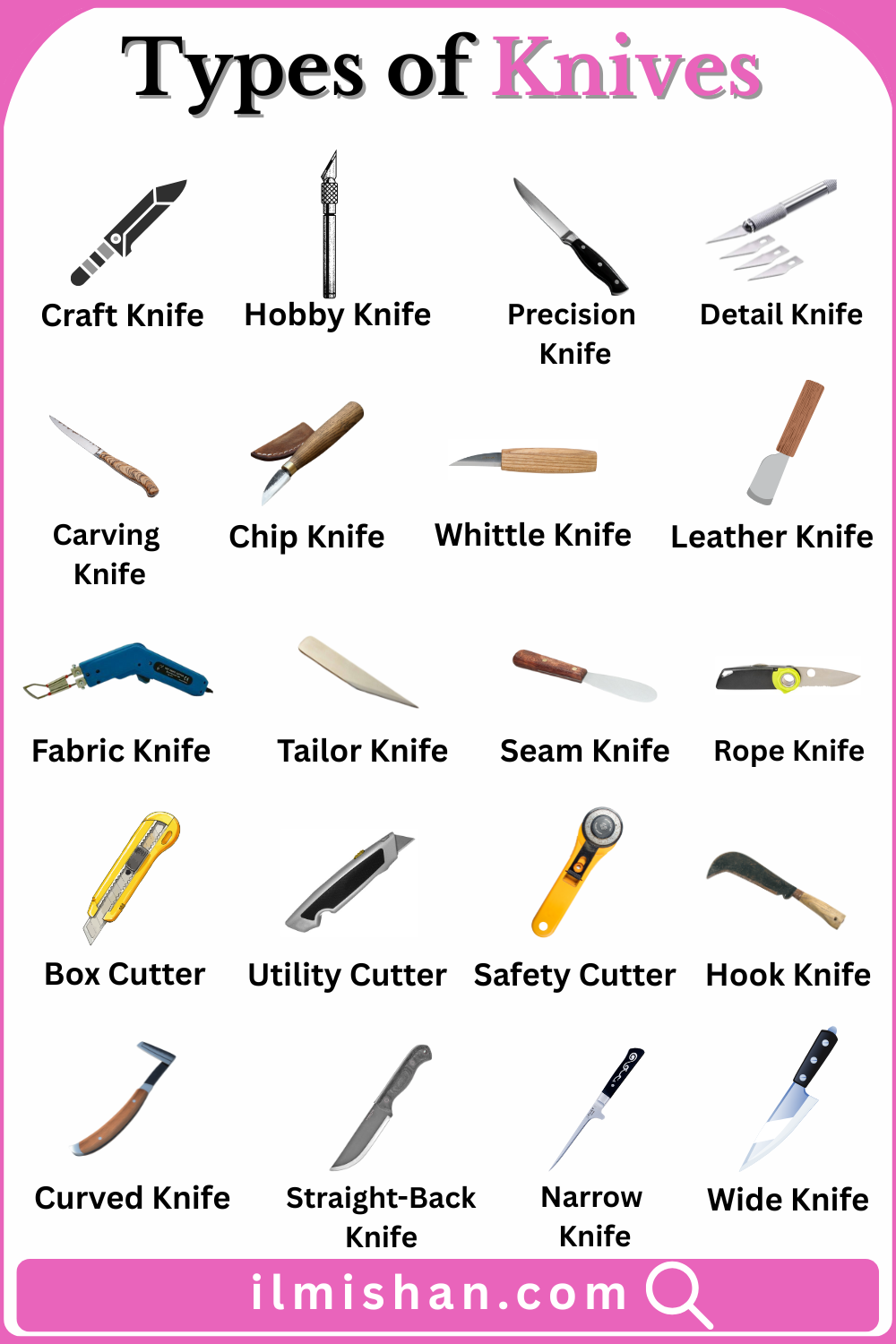
Different Types of Knives Names With Pictures
Learn more helpful Articles