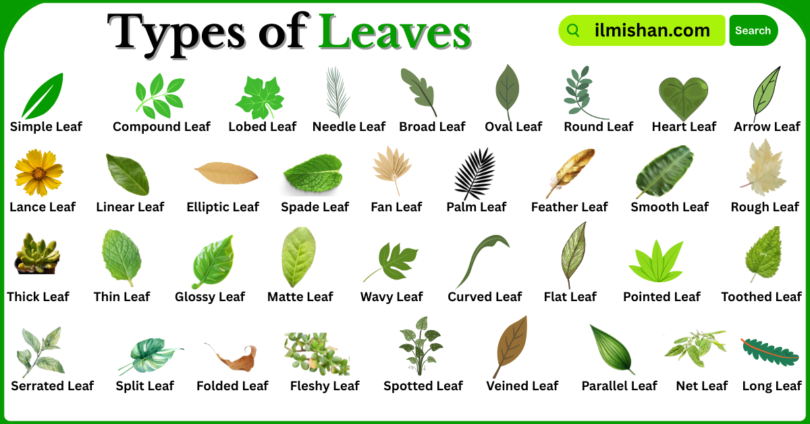

Types of Leaves with Names in English
- Simple Leaf
- Compound Leaf
- Lobed Leaf
- Needle Leaf
- Broad Leaf
- Oval Leaf
- Round Leaf
- Lance Leaf
- Linear Leaf
- Elliptic Leaf
- Spade Leaf
- Fan Leaf
- Palm Leaf
- Heart Leaf
- Feather Leaf
- Smooth Leaf
- Arrow Leaf
- Rough Leaf
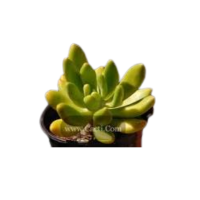
- Thick Leaf
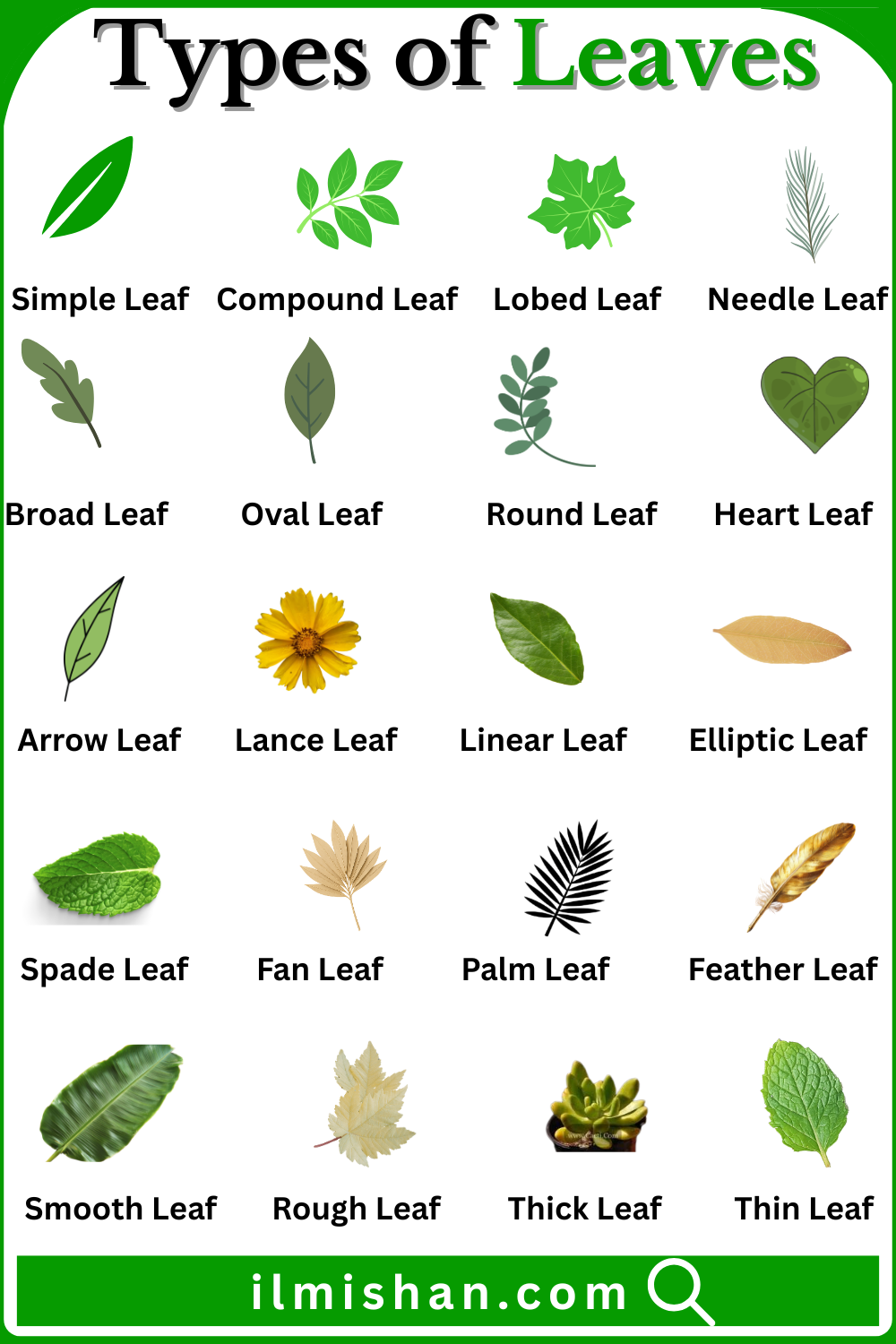
Types of Leaves with Names and their Pictures
- Simple Leaf
A leaf having a single, whole blade attached to the stem, not divided into smaller parts, common in mango and guava plants, and performing photosynthesis as one complete unit.

- Compound Leaf
A leaf divided into several smaller leaflets attached to one stalk, where each leaflet lacks a bud, commonly seen in neem, rose, and pea plants in many regions.

- Lobed Leaf
A leaf with clear rounded or pointed sections called lobes, cut partly toward the center, but remaining one piece, typical of oak and maple trees.
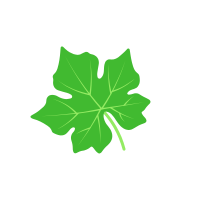
- Needle Leaf
A long, thin, needle-shaped leaf adapted to cold or dry climates, reducing water loss, mostly found on pine, fir, and other conifer trees worldwide.
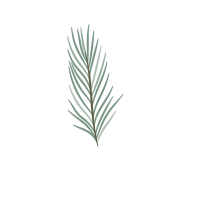
- Broad Leaf
A leaf with a wide, flat surface that captures more sunlight, supporting efficient photosynthesis, common in many deciduous plants growing in warm or moderate climates.
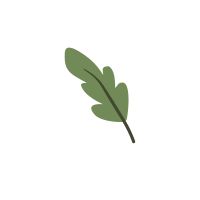
- Oval Leaf
A leaf shaped like an egg, wider at the middle and narrower at both ends, commonly found in tea, basil, and many garden plants.
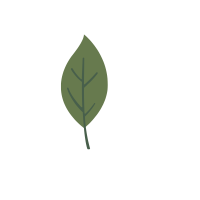
- Round Leaf
A leaf that is almost circular in shape with smooth edges, often seen in water plants and ground herbs, allowing even light absorption across the surface.
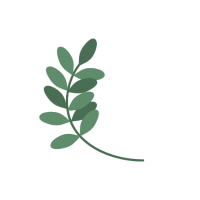
- Lance Leaf
A long, narrow leaf tapering toward both ends, resembling a lance, common in grasses and medicinal plants, helping reduce wind resistance in open habitats.
- Linear Leaf
A very narrow leaf with nearly parallel sides throughout its length, typical of grasses and cereals, helping minimize water loss and withstand strong winds.
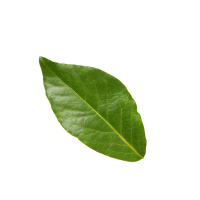
- Elliptic Leaf
A leaf shaped like an ellipse, widest at the center and evenly narrowing at both ends, common in shrubs and trees with balanced sunlight capture.
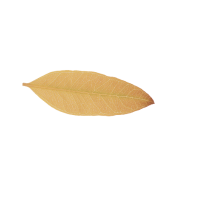
- Spade Leaf
A leaf shaped like a spade symbol, broad at the base and pointed at the tip, found in some ornamental and wild plants in specific regions.
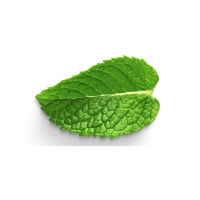
- Fan Leaf
A leaf spreading outward in a fan-like form from one point, best known in ginkgo, helping collect sunlight efficiently from different directions.
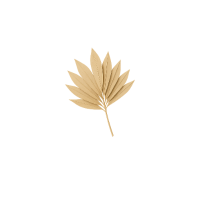
- Palm Leaf
A large leaf divided into sections that radiate from a central point like fingers, typical of coconut and date palms in tropical regions.

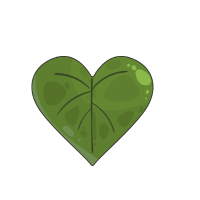
- Heart Leaf
A leaf shaped like a heart with a visible notch at the base, common in betel, peepal, and many climbing plants.
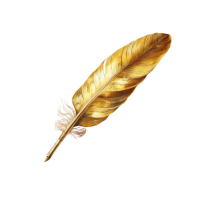
- Feather Leaf
A leaf divided into many small leaflets arranged along both sides of a central stalk, resembling a feather, common in neem and rose plants.
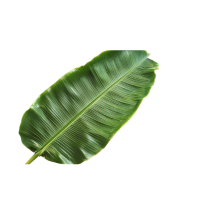
- Smooth Leaf
A leaf with an even surface lacking hairs or rough texture, allowing water to flow easily and reducing dust buildup during rainfall.
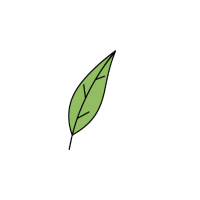
- Arrow Leaf
A leaf shaped like an arrowhead with pointed side lobes at the base, commonly found in aquatic and marsh plants growing in wetlands.
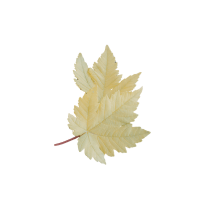
- Rough Leaf
A leaf with a coarse, uneven surface often due to tiny hairs, helping protect the plant from insects and grazing animals.
- Thick Leaf
A leaf with fleshy, dense tissues that store water, adapted to dry conditions, commonly seen in succulent plants like aloe.
Types of Leaves with Names and their Pictures
List of Leaves Name in English
- Glossy Leaf
- Matte Leaf
- Wavy Leaf
- Curved Leaf
- Flat Leaf
- Pointed Leaf
- Serrated Leaf
- Split Leaf
- Folded Leaf
- Fleshy Leaf
- Spotted Leaf
- Veined Leaf
- Parallel Leaf
- Toothed Leaf
- Net Leaf
- Long Leaf
- Short Leaf
- Narrow Leaf
- Wide Leaf
Different Types of Leaves Names in English with Images
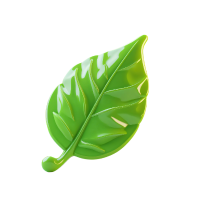
- Glossy Leaf
A leaf with a shiny, reflective surface caused by a waxy coating, helping reduce water loss, repel dust, and protect tissues while enhancing light reflection in bright growing conditions areas.
- Matte Leaf
A leaf with a dull, non-shiny surface that absorbs light evenly, often soft in appearance, reducing glare and supporting steady photosynthesis in shaded or moderately lit environments during plant growth.
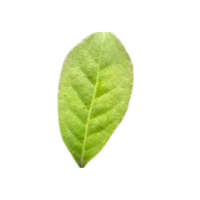
- Wavy Leaf
A leaf whose edges form gentle waves instead of straight lines, giving flexibility, improved airflow, and a decorative look while maintaining normal photosynthesis and healthy growth in many plant species.
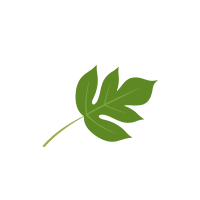
- Curved Leaf
A leaf that bends smoothly along its length or margins rather than lying straight, helping direct water runoff, adjust light exposure, and tolerate wind without tearing in natural outdoor conditions.
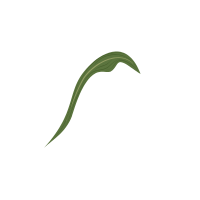
- Flat Leaf
A leaf with an even, level surface lacking folds or curves, allowing maximum sunlight capture, efficient gas exchange, and balanced growth in many common plant species across different habitats worldwide.
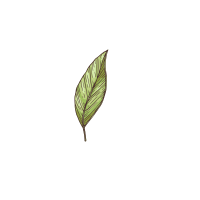
- Pointed Leaf
A leaf ending in a sharp or narrow tip, helping rainwater drip away quickly, reducing moisture buildup and lowering disease risk in humid growing environments for healthier plant survival overall.

- Serrated Leaf
A leaf with sharp, saw-like teeth along its edges, which may deter herbivores, increase edge area, and improve water drainage during rainfall in many wild and cultivated plant species worldwide.
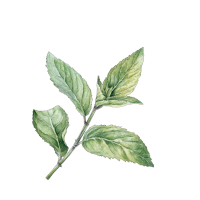
- Split Leaf
A leaf whose blade has deep cuts or openings, not fully separated into leaflets, allowing better light penetration and air movement through large leaf surfaces in tropical climbing plant species.
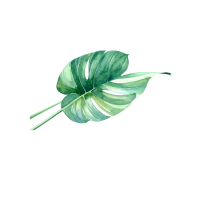
- Folded Leaf
A leaf that is bent or folded along veins or the midrib, either naturally or temporarily, helping protect tissues and reduce water loss under stressful weather and environmental conditions outdoors.
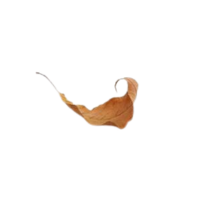
- Fleshy Leaf
A leaf with thick, soft, water-storing tissues, adapted to dry climates, enabling plants to survive drought by conserving moisture for long periods without frequent rainfall or regular watering needs naturally.
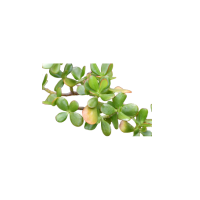
- Spotted Leaf
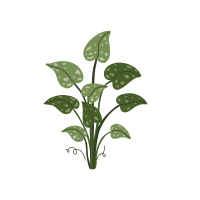
A leaf showing visible spots or patches of different colors, caused by pigmentation or patterns, often adding ornamental beauty to decorative plants grown indoors and outdoors in gardens worldwide today.
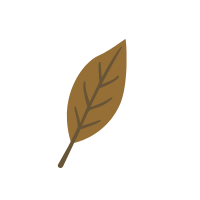
- Veined Leaf
A leaf with clearly visible veins forming a support network, transporting water and nutrients while giving strength and shape to the leaf blade during normal plant growth and development stages.
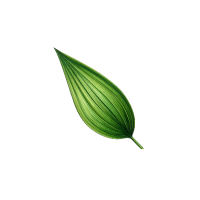
- Parallel Leaf
A leaf with veins running side by side from base to tip, typical of grasses and monocots, providing strength and efficient internal transport across long, narrow leaf surfaces naturally occurring.
- Toothed Leaf
A leaf with small, rounded or blunt teeth along the margin, less sharp than serrated edges, helping manage water flow during rain in many herbs, shrubs, and garden plants worldwide.
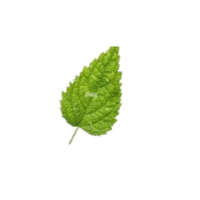
- Net Leaf
A leaf with veins forming a branching, net-like pattern, common in dicot plants, allowing flexibility and efficient distribution of nutrients throughout the leaf surface during active growth periods naturally worldwide.
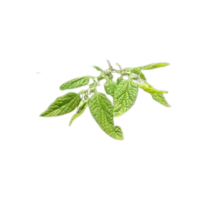
- Long Leaf
A leaf that is much longer than it is wide, common in grasses and lilies, helping bend with wind and capture sunlight efficiently without breaking, tearing, or damage to tissues.
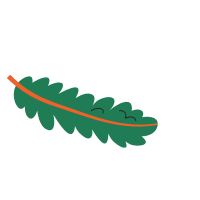
- Short Leaf
A leaf with limited length and compact size, often found on shrubs or ground plants, reducing exposure to wind and water loss in open areas, dry climates, and harsh conditions.

- Narrow Leaf
A leaf with a small width compared to its length, adapted to windy or dry habitats, helping reduce surface area and moisture loss during hot, sunny, and exposed weather periods.
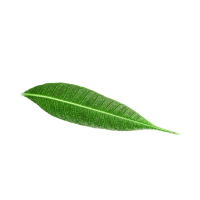
- Wide Leaf
A leaf with a broad blade that spreads outward, increasing sunlight absorption and photosynthesis, common in tropical and shade-loving plants growing under dense forest canopies or low-light garden conditions naturally.
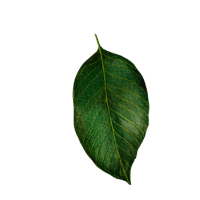
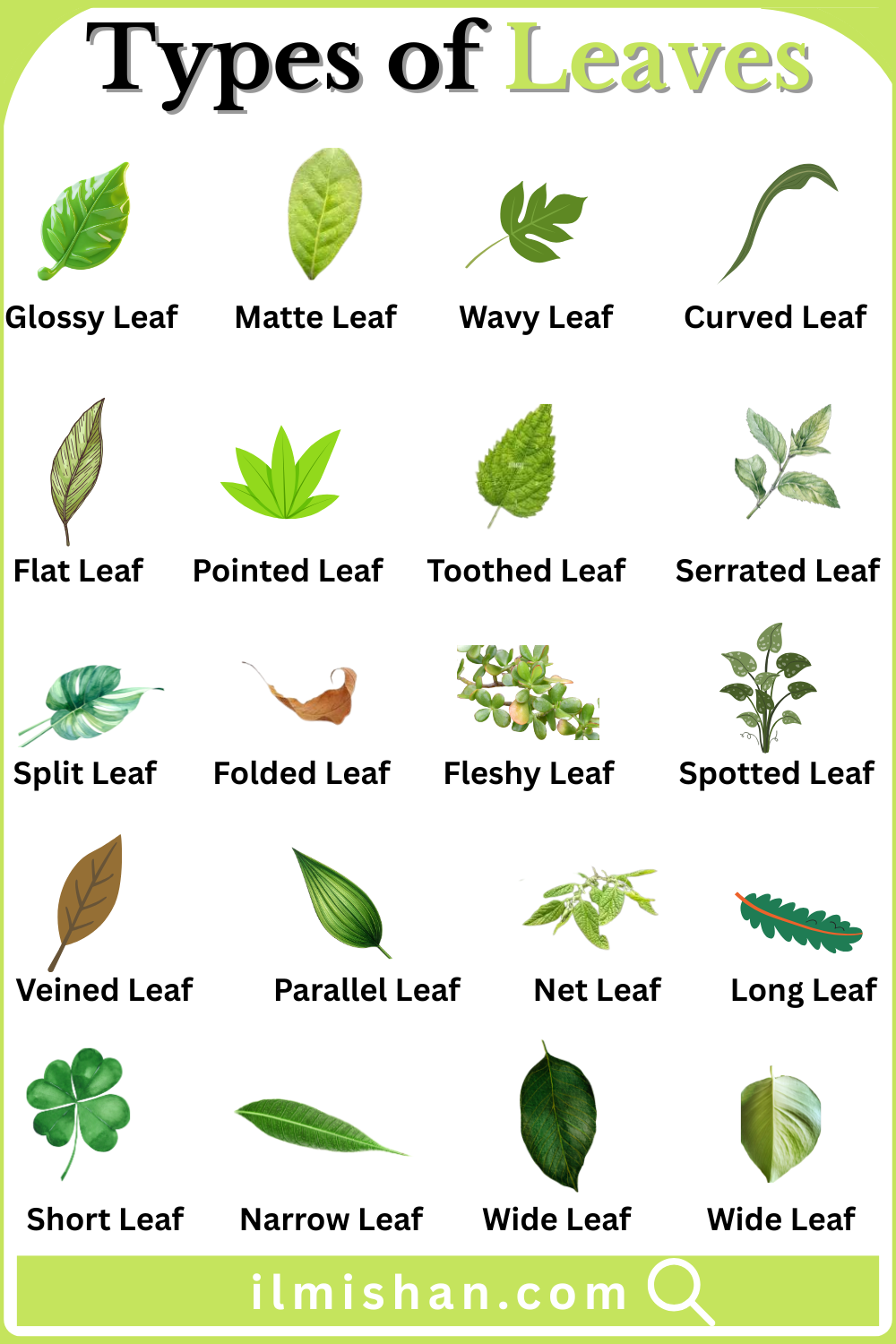
Different Types of Leaves Names in English with Images
Learn more helpful Articles