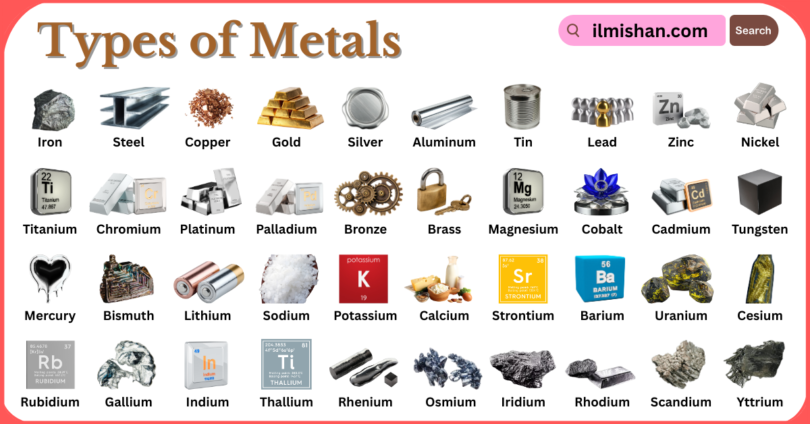

List of Metals with Names in English
- Iron
- Steel
- Copper
- Gold
- Silver
- Aluminum
- Tin
- Lead
- Zinc
- Nickel
- Titanium
- Chromium
- Platinum
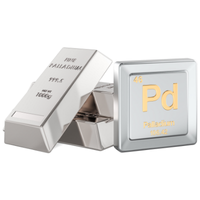
- Palladium
- Bronze
- Brass
- Magnesium
- Cobalt
- Cadmium
- Tungsten
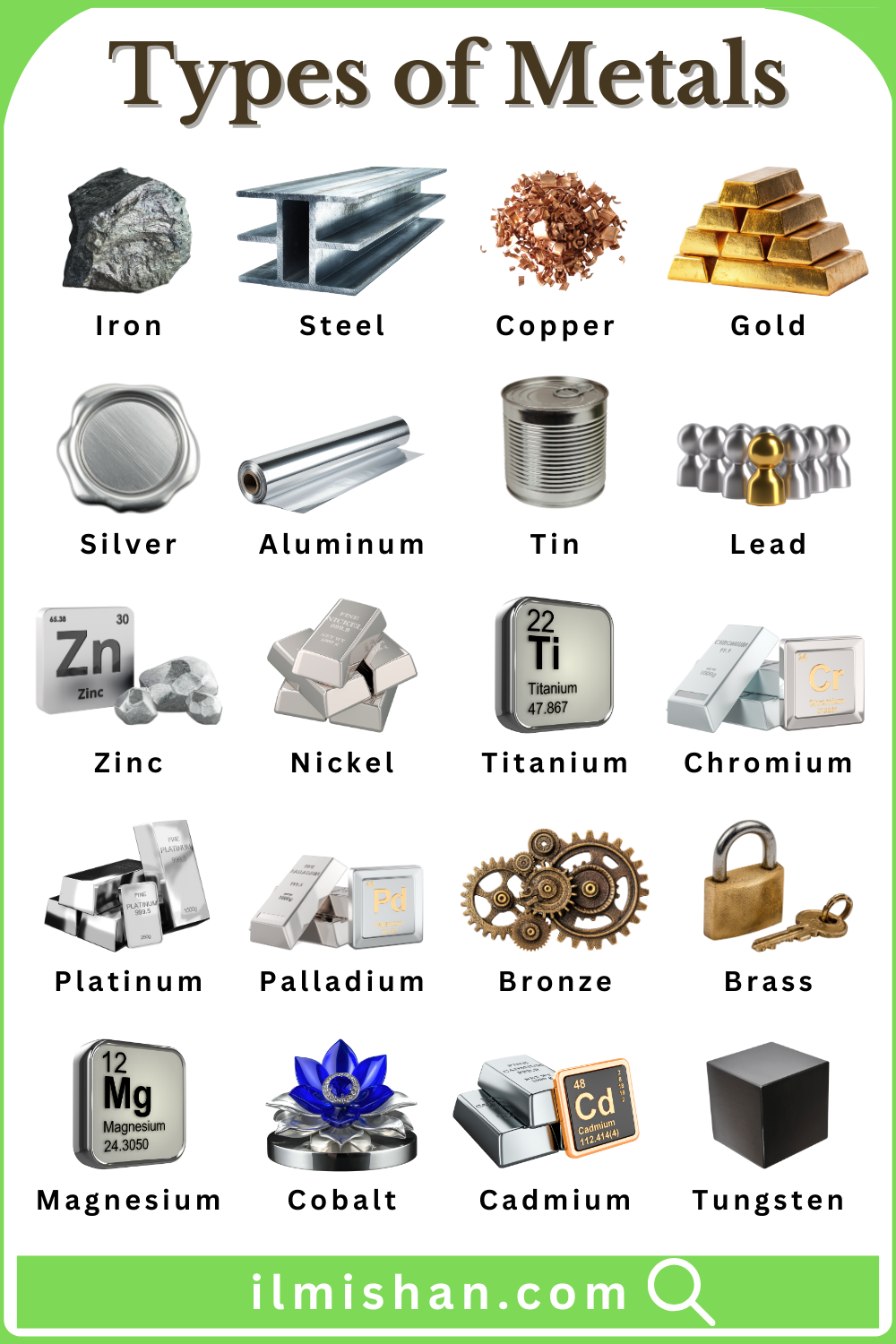
Different Types of Metals with Names and Pictures
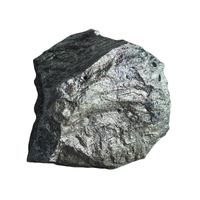
- Iron
A strong, widely used metal found in earth’s crust, essential for construction, machinery, and tools; it rusts when exposed to moisture unless protected or alloyed with other elements.
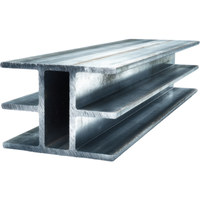
- Steel
A tough alloy made mainly from iron and carbon, used for buildings, bridges, vehicles, and tools because of its high strength, durability, and ability to be shaped or heat-treated.
- Copper
A reddish metal known for excellent electrical and heat conductivity, used in wires, plumbing, electronics, and alloys because it resists corrosion and is easy to shape and recycle.
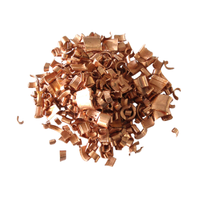
- Gold
A soft, yellow, corrosion-free precious metal used in jewelry, electronics, dentistry, and investment due to its rarity, electrical conductivity, long-lasting shine, and resistance to chemical reactions.
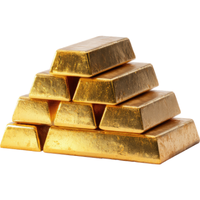
- Silver
A shiny white precious metal with the highest electrical and thermal conductivity, commonly used in jewelry, mirrors, electronics, medical tools, and photography, though it tarnishes when exposed to sulfur.
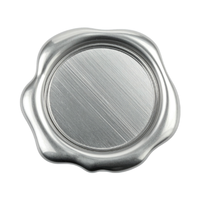
- Aluminum
A lightweight, silver-gray metal that resists rust, used in airplanes, vehicles, cans, construction, and household items because it is strong, flexible, and easily recycled.
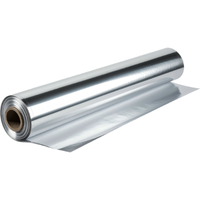
- Tin
A soft, silvery metal used mainly for coating steel to prevent rust and for soldering electronics, valued for its low melting point, corrosion resistance, and smooth bonding properties.

- Lead
A heavy, soft, bluish-gray metal used in batteries, radiation shielding, and industrial products; toxic to humans, requiring careful handling and strict safety controls during use.

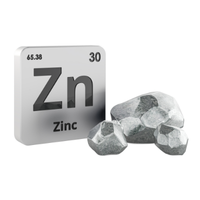
- Zinc
A corrosion-resistant metal often used to coat iron and steel to stop rust, also used in brass, batteries, die-cast products, and as an important nutrient for plants and humans.
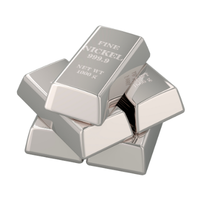
- Nickel
A hard, silver-white metal used to make stainless steel, batteries, coins, and corrosion-resistant coatings because it improves strength, hardness, and resistance to heat and oxidation.
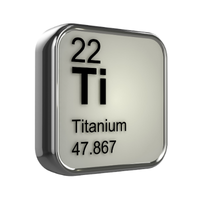
- Titanium
A strong, lightweight metal known for excellent corrosion resistance, commonly used in aircraft, medical implants, and high-performance products due to its biocompatibility and exceptional strength-to-weight ratio.
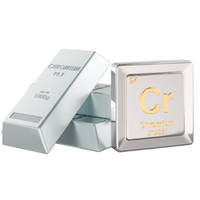
- Chromium
A shiny, hard metal used to make stainless steel and chrome plating, providing corrosion resistance, hardness, and a reflective surface in tools, automotive parts, and decorative items.
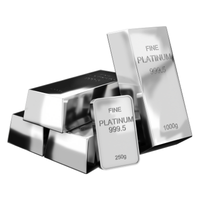
- Platinum
A dense, silver-white precious metal resistant to corrosion, widely used in catalytic converters, jewelry, medical equipment, and chemical industries because of its stability and powerful catalytic properties.
- Palladium
A rare, silver-white metal used in catalytic converters, electronics, hydrogen storage, and jewelry due to its strong catalytic ability, corrosion resistance, and high value in industrial applications.
- Bronze
A durable alloy of copper and tin, historically used for weapons, tools, and art; valued today for strength, corrosion resistance, and suitability for sculptures, bearings, and mechanical parts.

- Brass
An alloy of copper and zinc known for bright gold-like appearance, corrosion resistance, and ease of shaping, used in instruments, fittings, valves, decorative pieces, and machine parts.

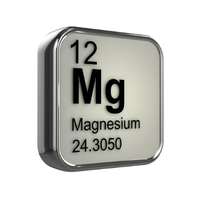
- Magnesium
A very light, silver-white metal used in aircraft parts, electronics, fireworks, and alloys because of its low weight, good strength, and essential role in biological processes.
- Cobalt
A hard, gray metal used in batteries, magnets, alloys, and jet engines due to its heat resistance, strength, and ability to stabilize rechargeable battery chemistry.
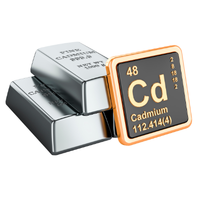
- Cadmium
A soft, bluish metal used in batteries, coatings, and pigments, known for corrosion resistance but highly toxic, requiring strict environmental and safety controls during production and handling.
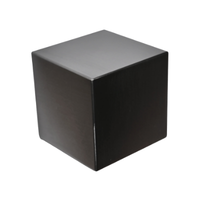
- Tungsten
A very dense, extremely high-melting metal used in light bulb filaments, cutting tools, and heavy-duty machinery because of its exceptional hardness, heat resistance, and durability.
Different Types of Metals with Names and Pictures
Metal with Name List In English
- Mercury
- Bismuth
- Lithium
- Sodium
- Potassium
- Calcium
- Strontium
- Barium
- Thorium
- Uranium
- Cesium
- Rubidium
- Gallium
- Indium
- Thallium
- Germanium
- Zirconium
- Hafnium
- Vanadium
- Manganese
Common Types of Metals with Names in English and Pictures
- Mercury
A heavy silver liquid metal at room temperature used in thermometers scientific instruments and some industrial processes but toxic and harmful to living organisms.
- Bismuth
A brittle pinkish white metal known for its low toxicity and used in medicines cosmetics alloys and fire safety devices due to its low melting point.
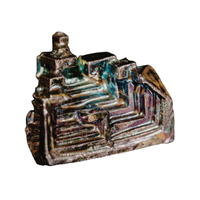
- Lithium
A very light soft metal used in rechargeable batteries electric vehicles and portable electronics because it stores energy efficiently and reacts easily.
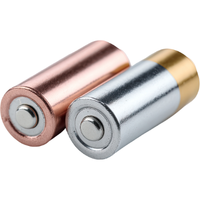
- Sodium
A soft highly reactive metal that reacts strongly with water and is used in street lights heat transfer systems and chemical production.
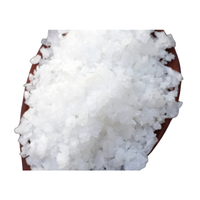
- Potassium
A soft reactive metal essential for plant and human life and mainly used in fertilizers soaps and certain chemical manufacturing processes.
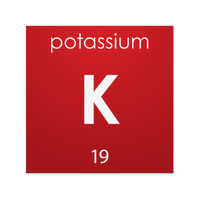
- Calcium
A reactive metal important for bones teeth and living cells and widely used in construction materials metal refining and chemical production.

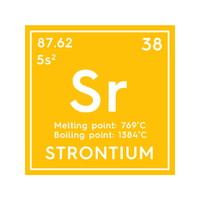
- Strontium
A soft silvery metal used in fireworks to produce red color and in certain medical and industrial applications.
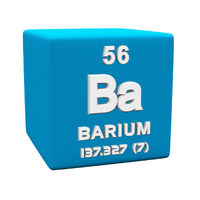
- Barium
A soft heavy metal used in medical imaging to view the digestive system and in drilling fluids paints and glass manufacturing.
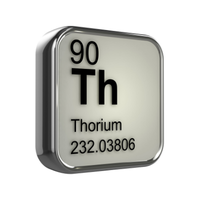
- Thorium
A radioactive metal considered as a potential nuclear fuel and used in specialized alloys and high temperature scientific applications.
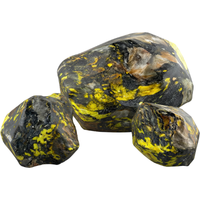
- Uranium
A heavy radioactive metal primarily used as fuel in nuclear power plants and in military applications due to its ability to produce energy through fission.
- Cesium
A very soft highly reactive metal used in atomic clocks drilling fluids and scientific research because of its precise frequency properties.
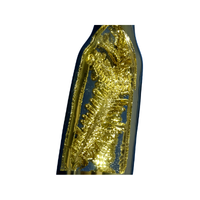
- Rubidium
A soft reactive metal used in research atomic clocks and special types of glass and electronic components.
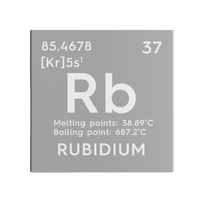
- Gallium
A soft metal that melts near room temperature and used in semiconductors LEDs and solar panels for electronic devices.
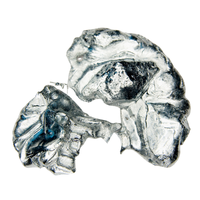
- Indium
A soft silvery metal used in touch screens liquid crystal displays and low melting alloys in electronics manufacturing.
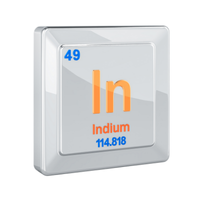
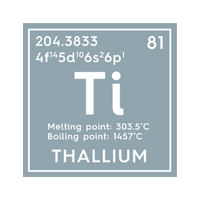
- Thallium
A soft heavy metal once used in pesticides and electronics but highly toxic and now limited to specialized scientific uses.
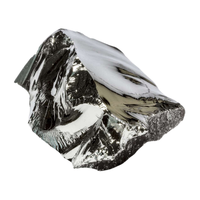
- Germanium
A hard gray metal like element used in semiconductors fiber optics and infrared optics for electronic and communication devices.
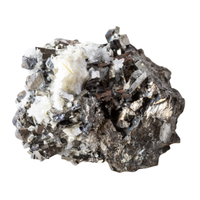
- Zirconium
A strong corrosion resistant metal used in nuclear reactors chemical processing equipment and high performance ceramics.
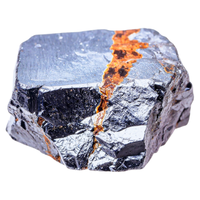
- Hafnium
A dense corrosion resistant metal used in nuclear control rods superalloys and advanced semiconductor technology.
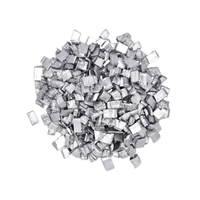
- Vanadium
A strong gray metal added to steel to increase strength toughness and resistance to wear in tools vehicles and construction materials.
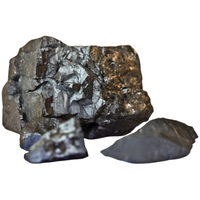
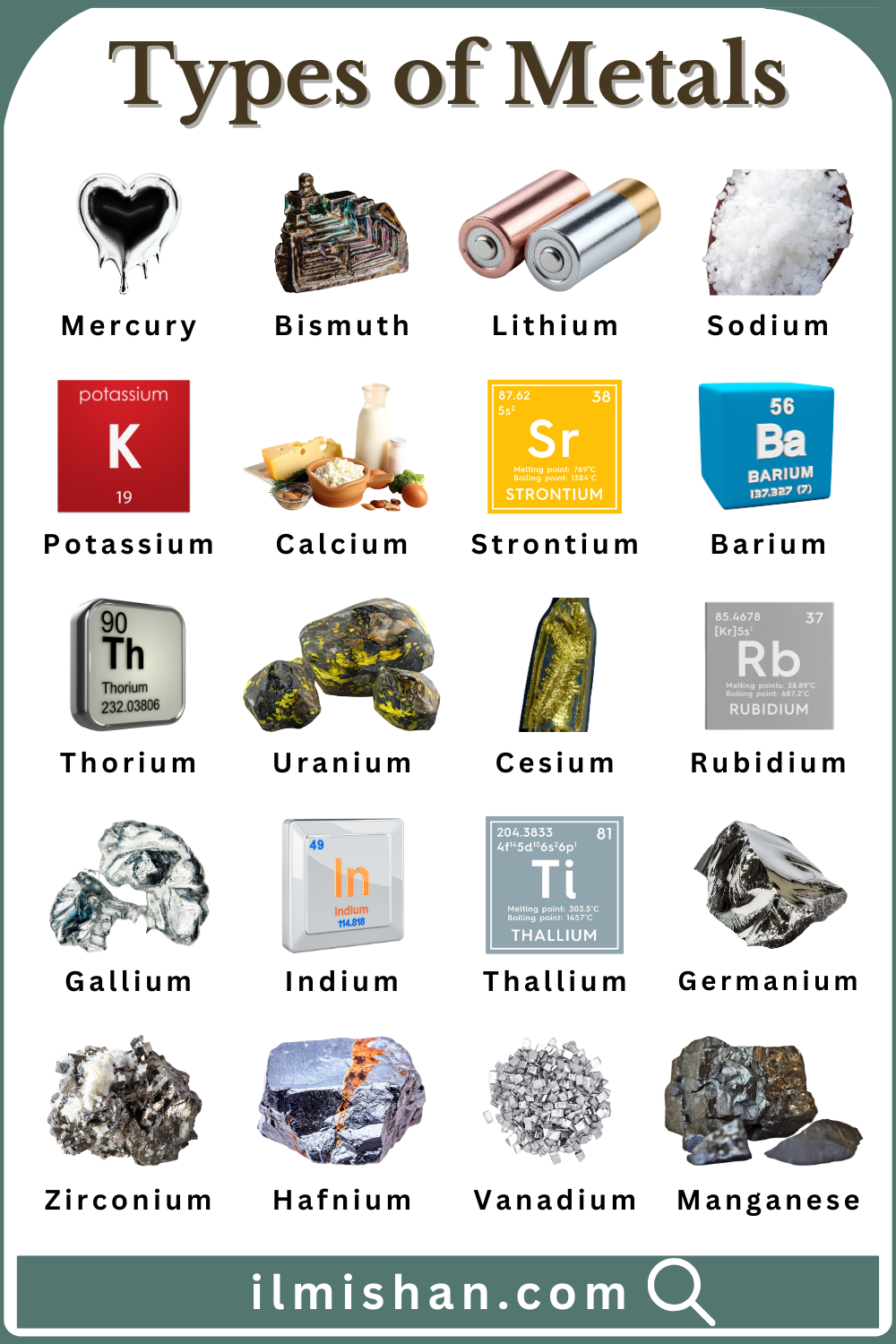
- Manganese
A hard brittle metal essential in steel production and used in batteries chemicals and to improve strength and durability of alloys.
Common Types of Metals with Names in English and Pictures
20 Names of Metals in English
- Rhenium
- Osmium
- Iridium
- Ruthenium
- Rhodium
- Scandium
- Yttrium
- Lanthanum
- Cerium
- Neodymium
- Samarium
- Europium
- Gadolinium
- Terbium
- Dysprosium
- Holmium
- Erbium
- Thulium
- Ytterbium
- Lutetium
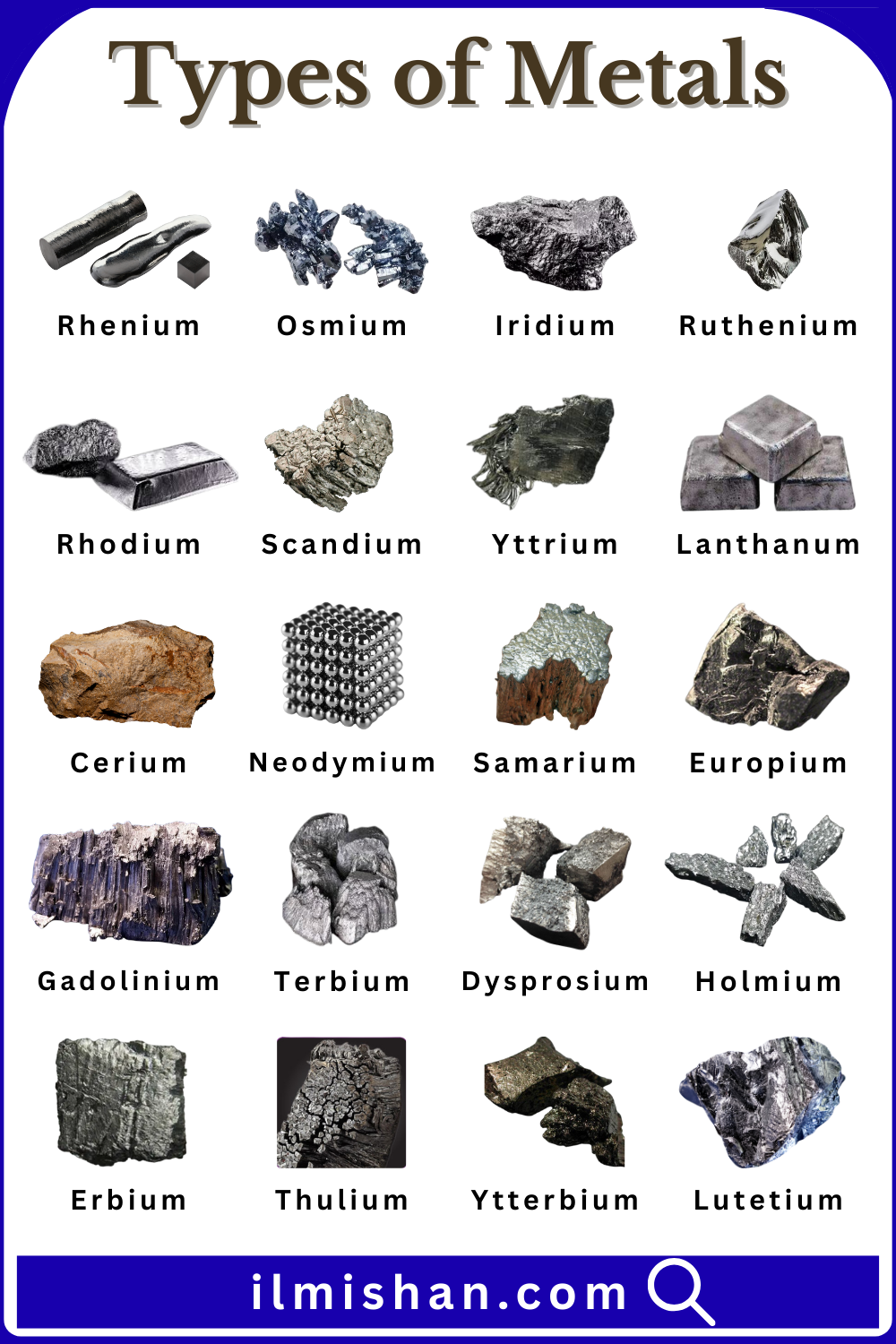
Most Popular Types of Metals with Names and Images
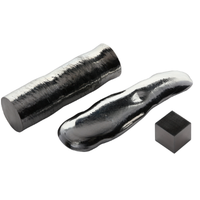
- Rhenium
A very dense and heat resistant metal used in jet engines and high temperature alloys to maintain strength under extreme heat and pressure.
- Osmium
One of the densest natural metals known for its hardness and durability and mainly used in special alloys and wear resistant applications.
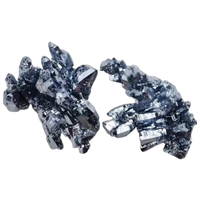
- Iridium
A hard corrosion resistant platinum group metal used in spark plugs crucibles and equipment exposed to very high temperatures.
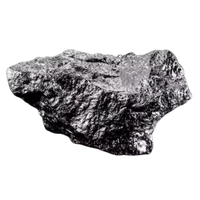
- Ruthenium
A rare platinum group metal used to strengthen alloys and widely applied in electronics and industrial chemical catalysts.
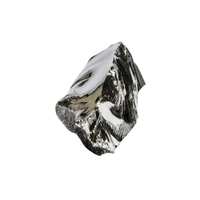
- Rhodium
A shiny silver white metal valued for corrosion resistance and commonly used in catalytic converters and jewelry plating.
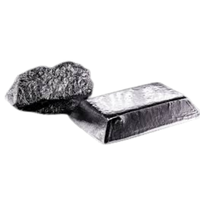
- Scandium
A lightweight silvery metal added to aluminum alloys to increase strength while keeping materials light for aerospace and sports equipment.
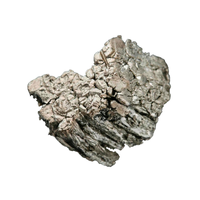
- Yttrium
A soft silvery metal used in LED lights lasers and advanced ceramic materials for modern technology.
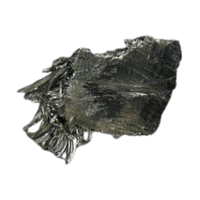
- Lanthanum
A soft reactive rare earth metal used in camera lenses battery electrodes and refining catalysts to improve performance.
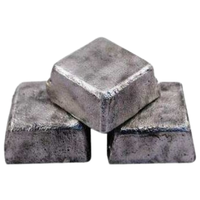
- Cerium
A reactive rare earth metal used in glass polishing lighter flints and catalytic converters due to its chemical flexibility.
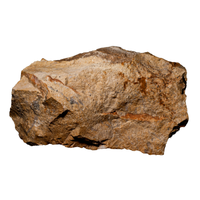
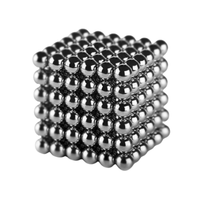
- Neodymium
A rare earth metal famous for producing very strong magnets used in motors headphones and wind turbines.
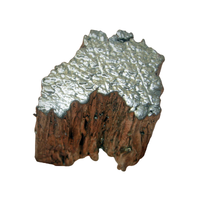
- Samarium
A rare earth metal used in powerful magnets nuclear reactor control rods and special heat resistant glass.
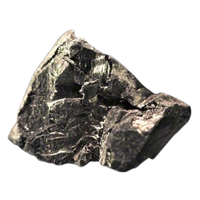
- Europium
A soft rare earth metal mainly used in red and blue phosphors for LED lights and display screens.
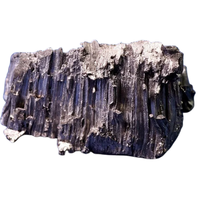
- Gadolinium
A silvery rare earth metal used in MRI contrast agents nuclear reactors and special magnetic materials.
- Terbium
A rare earth metal used in green phosphors for lighting and displays and added to magnets for better performance.
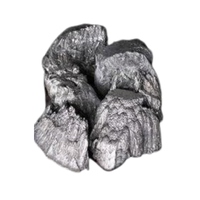
- Dysprosium
A rare earth metal added to strong magnets to improve heat resistance in electric vehicles and energy systems.
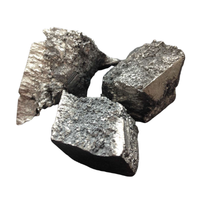
- Holmium
A rare earth metal known for strong magnetic properties and used in medical lasers and nuclear control rods.
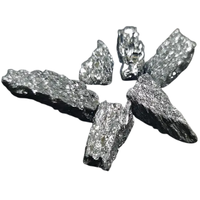
- Erbium
A soft rare earth metal used in fiber optic cables and signal amplifiers to strengthen light signals.
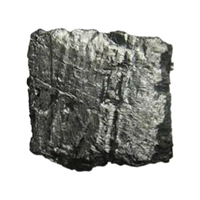
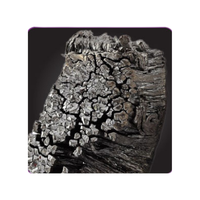
- Thulium
One of the least abundant rare earth metals used in portable X ray machines and certain laser devices.
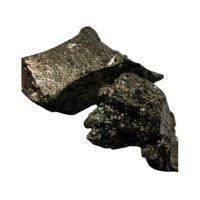
- Ytterbium
A soft rare earth metal used in lasers special alloys and atomic clocks for precise scientific applications.
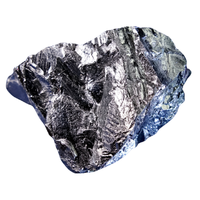
- Lutetium
A dense rare earth metal used in PET scan detectors oil refining catalysts and advanced medical research.
Names of Metals with their Pictures
All Types of Metal list in English
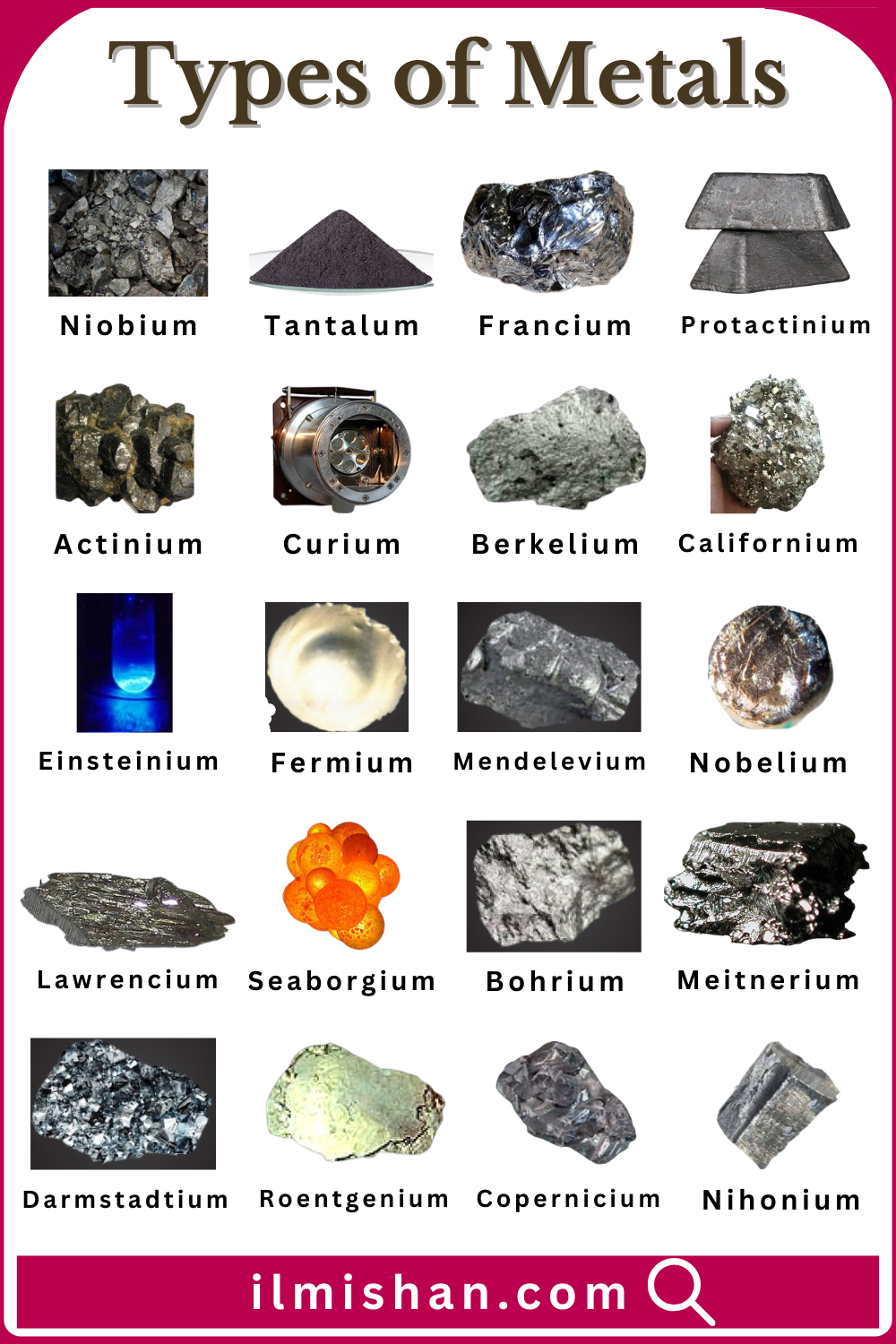
- Niobium
- Tantalum
- Francium
- Protactinium
- Actinium
- Curium
- Berkelium
- Californium
- Einsteinium
- Fermium
- Mendelevium
- Nobelium
- Lawrencium
- Seaborgium
- Bohrium
- Meitnerium
- Darmstadtium
- Roentgenium
- Copernicium
- Nihonium
Common Metals Types with their Pictures
- Niobium
A soft gray metal used mainly in steel alloys to increase strength without adding much weight and also used in superconducting magnets and special high temperature materials.
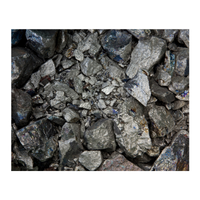
- Tantalum
A hard corrosion resistant metal used in electronic capacitors medical implants and chemical equipment because it can withstand heat and harsh environments.
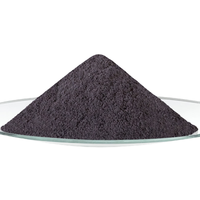
- Francium
An extremely rare and highly radioactive metal that exists only in tiny amounts in nature and is mainly studied for scientific research.
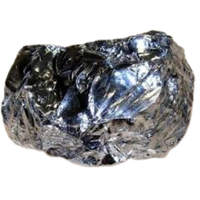
- Protactinium
A dense radioactive metal found in uranium ores and mainly used for scientific study due to its scarcity and instability.
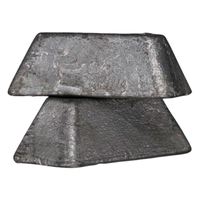
- Actinium
A highly radioactive metal that glows faintly in the dark and is used in research and certain targeted cancer treatments.
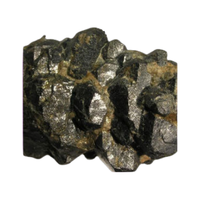
- Curium
A radioactive synthetic metal produced in nuclear reactors and used in scientific research and as a power source in some space missions.
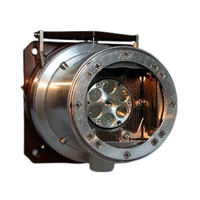
- Berkelium
A radioactive synthetic metal created in laboratories and used mainly for scientific experiments and producing heavier elements.
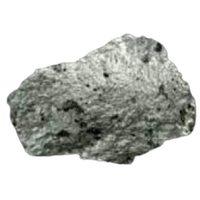
- Californium
A highly radioactive metal used in neutron sources for nuclear reactors medical treatments and detecting materials in industry.
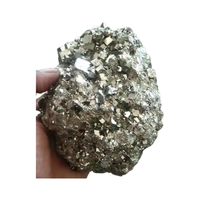
- Einsteinium
A synthetic radioactive metal produced in nuclear reactions and used only for scientific research because of its short half life.
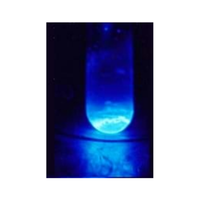
- Fermium
A man made radioactive metal formed in nuclear explosions or reactors and studied only for advanced scientific research.
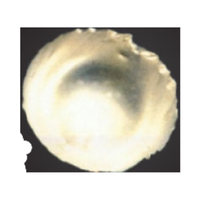
- Mendelevium
A synthetic radioactive metal produced in particle accelerators and used only for research on heavy elements.
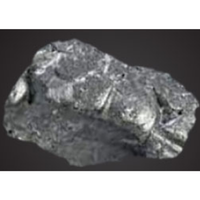
- Nobelium
A radioactive synthetic metal created in laboratories and studied for understanding nuclear properties of heavy elements.
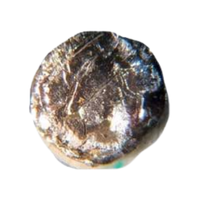
- Lawrencium
A synthetic radioactive metal that exists only in laboratories and is researched to study atomic structure and behavior of heavy elements.
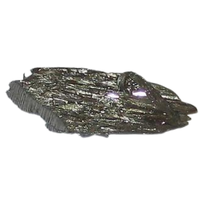
- Seaborgium
A man made radioactive metal produced in particle accelerators and studied to explore properties of superheavy elements.
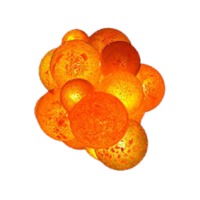
- Bohrium
A synthetic radioactive metal created in laboratories and researched for its short lived nuclear properties.
- Meitnerium
A highly unstable synthetic metal produced in particle accelerators and studied only for scientific investigation of superheavy elements.
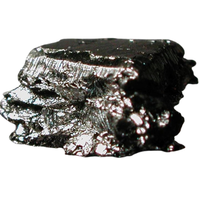
- Darmstadtium
A radioactive synthetic metal created in laboratories and researched to understand chemical behavior of very heavy atoms.
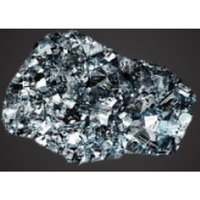
- Roentgenium
A man made radioactive metal produced in particle accelerators and studied for its short lived atomic characteristics.
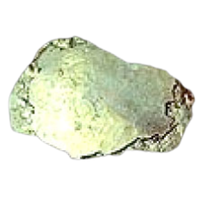
- Copernicium
A synthetic radioactive metal with very unstable atoms produced in laboratories and researched for advanced nuclear studies.
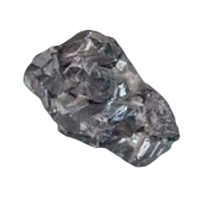
- Nihonium
A highly radioactive synthetic metal created in particle accelerators and studied to expand knowledge of superheavy chemical elements.
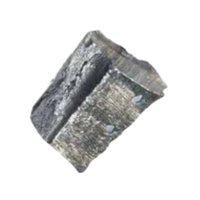
Common Metals Types with their Pictures
Learn more helpful articles