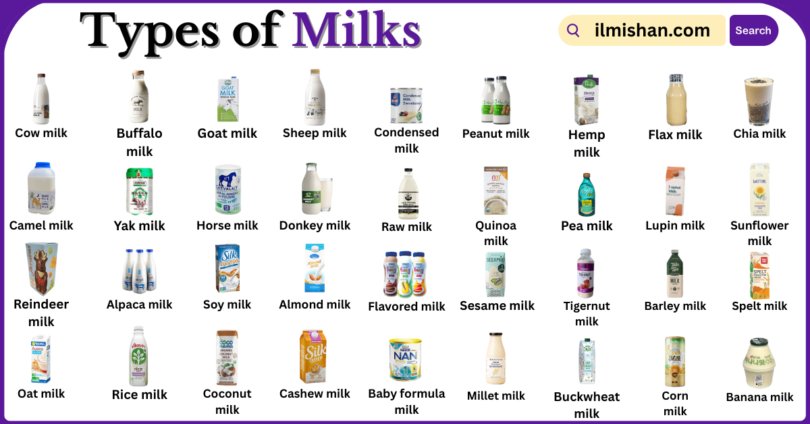

Milk is one of the most common and important drinks in our daily life. It is used for tea, coffee, desserts, cooking, and many healthy recipes. Today, there are many types of milk available, not only from animals but also from plants. Each type has its own taste, texture, and health benefits. In this article, you will learn Types of Milks with Names in English with Pictures, so you can easily understand where they come from and how they are used. This simple guide will help students, parents, and teachers increase their everyday English vocabulary while learning about healthy drink options.
Table of Contents
ToggleList of Milks with Name in English
- Cow milk
- Buffalo milk
- Goat milk
- Sheep milk
- Camel milk
- Yak milk
- Horse milk
- Donkey milk
- Reindeer milk
- Alpaca milk
- Soy milk
- Almond milk
- Oat milk
- Rice milk
- Coconut milk
- Cashew milk
- Hazelnut milk
- Macadamia milk
- Pistachio milk
- Walnut milk
20 Types of Milks with Names with their Pictures
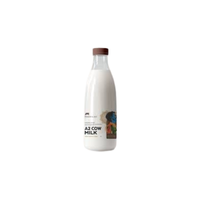
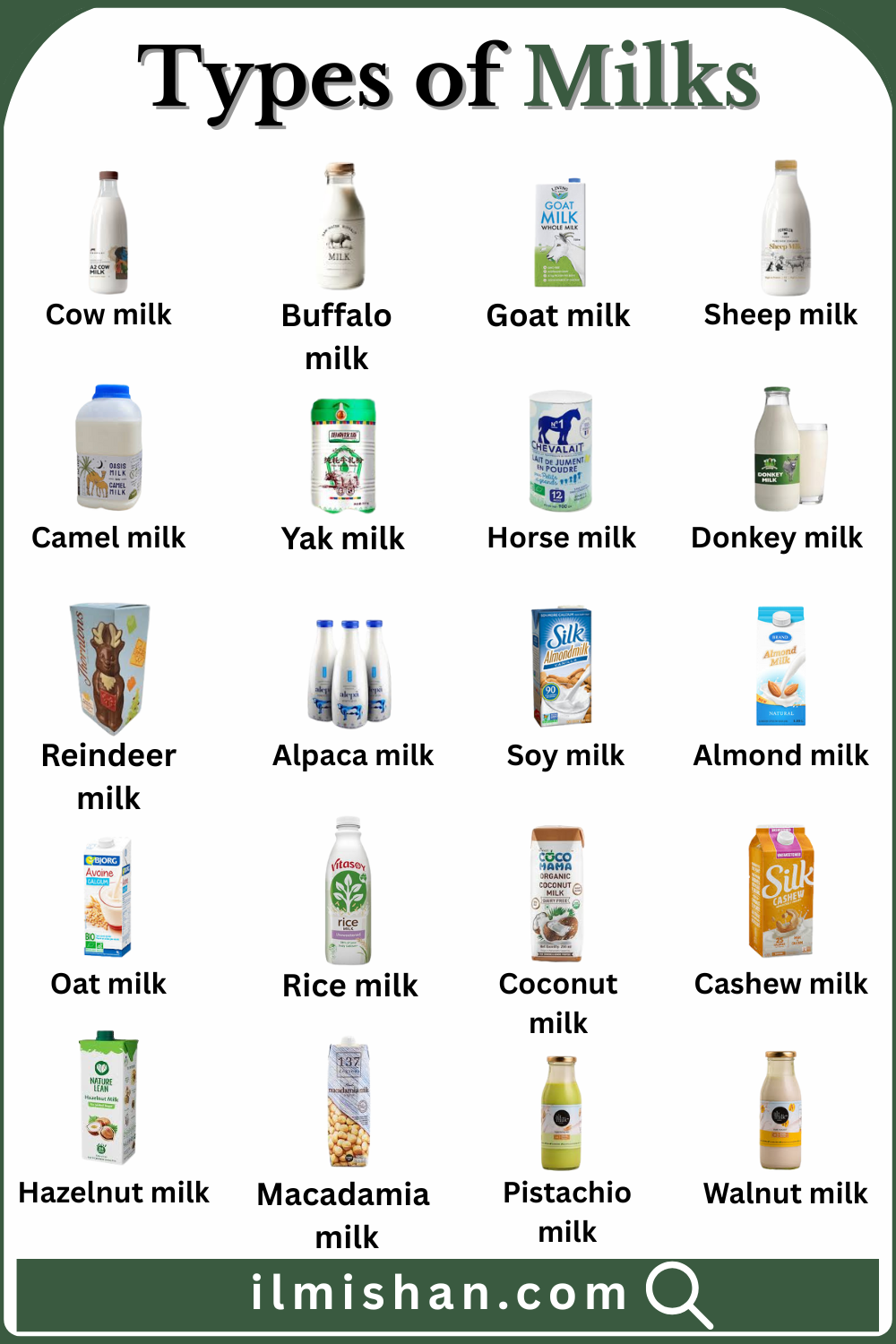
- Cow milk
Milk obtained from cows, widely consumed worldwide, rich in protein and calcium, commonly used for drinking, tea, coffee, butter, cheese, and yogurt production.
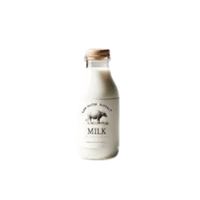
- Buffalo milk
Thick, creamy milk from buffaloes, higher in fat and protein than cow milk, commonly used for making butter, ghee, paneer, and traditional dairy sweets.
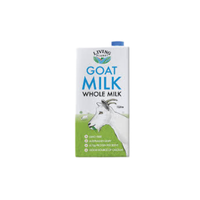
- Goat milk
Milk from goats, easier to digest than cow milk, slightly sweet and tangy, rich in nutrients, often used by people with mild lactose sensitivity.
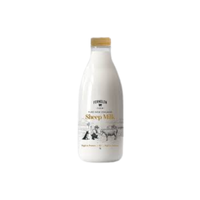
- Sheep milk
Rich, high-fat milk from sheep, containing more protein and calcium, mainly used to produce cheese and yogurt with strong flavor and creamy texture.
- Camel milk
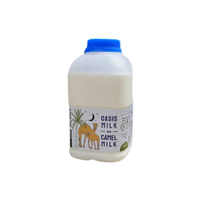
Milk produced by camels, slightly salty in taste, rich in vitamins and minerals, traditionally consumed in desert regions for hydration and nutrition.
- Yak milk
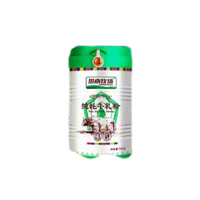
Milk from yaks found in high-altitude regions, thick and nutrient-dense, commonly used to make butter, cheese, and tea in mountainous communities.
- Horse milk
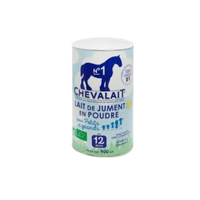
Light, slightly sweet milk from horses, low in fat, traditionally fermented into beverages and consumed in Central Asian cultures for nourishment.
- Donkey milk
Milk from donkeys, very low in fat and close to human milk composition, often used for infants, cosmetics, and people with allergies. 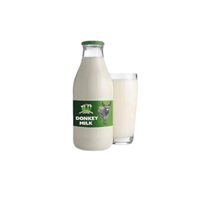
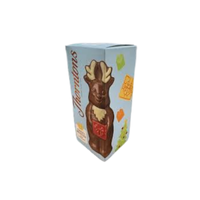
- Reindeer milk
- Extremely rich milk from reindeer, very high in fat and protein, consumed in small amounts by Arctic communities for energy and survival.
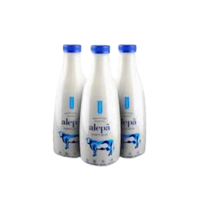
- Alpaca milk
Rare milk produced by alpacas, nutritious and mild in taste, traditionally consumed in limited quantities by Andean communities where alpacas are raised.
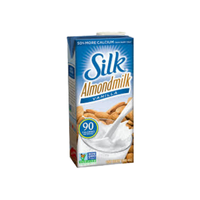
- Soy milk
Plant-based milk made from soybeans, high in protein, lactose-free, commonly used as a dairy alternative for drinking, cooking, and vegan diets.
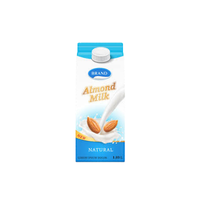
- Almond milk
Milk alternative made from ground almonds and water, light and nutty in flavor, low in calories, commonly used in beverages and cereals.
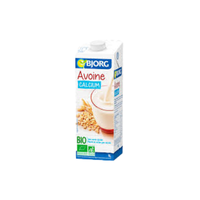
- Oat milk
Plant-based milk produced from oats, naturally sweet and creamy, often used in coffee and baking, suitable for people avoiding dairy products.
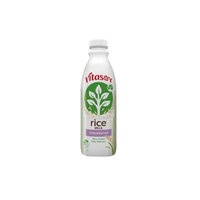
- Rice milk
Milk alternative made from milled rice and water, naturally sweet, low in fat, and suitable for people with lactose or nut allergies.
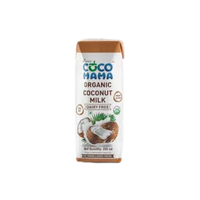
- Coconut milk
Thick milk extracted from coconut flesh, rich and creamy, widely used in cooking, curries, and desserts, especially in tropical cuisines.
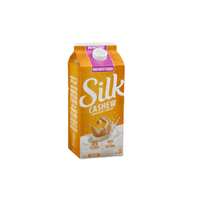
- Cashew milk
Smooth, creamy plant-based milk made from cashews, mildly sweet in taste, commonly used in coffee, smoothies, and dairy-free cooking.
- Hazelnut milk
Milk alternative made from hazelnuts, nutty and slightly sweet, often used in coffee drinks, desserts, and flavored beverages.
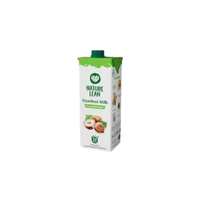
- Macadamia milk
Creamy plant-based milk made from macadamia nuts, mildly sweet with rich texture, used in coffee, cereals, and dairy-free recipes.
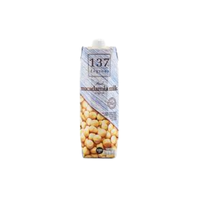
- Pistachio milk
Milk alternative made from pistachios, slightly sweet and nutty, offering a unique flavor, often used in desserts and specialty beverages.
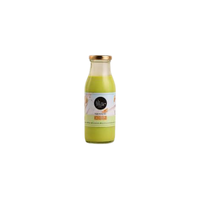
- Walnut milk
Plant-based milk produced from walnuts, rich and earthy in taste, containing healthy fats, commonly used in smoothies and dairy-free cooking.
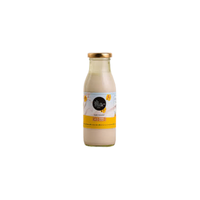
20 Types of Milks with Names with their Pictures
Common Milks Types and Name
- Peanut milk
- Hemp milk
- Flax milk
- Chia milk
- Quinoa milk
- Pea milk
- Lupin milk
- Sunflower milk
- Sesame milk
- Tigernut milk
- Barley milk
- Spelt milk
- Millet milk
- Buckwheat milk
- Corn milk
- Banana milk
- Date milk
- Vanilla milk
- Chocolate milk
- Strawberry milk
Explore Milks Types and Names
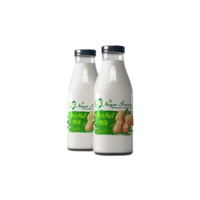
- Peanut milk
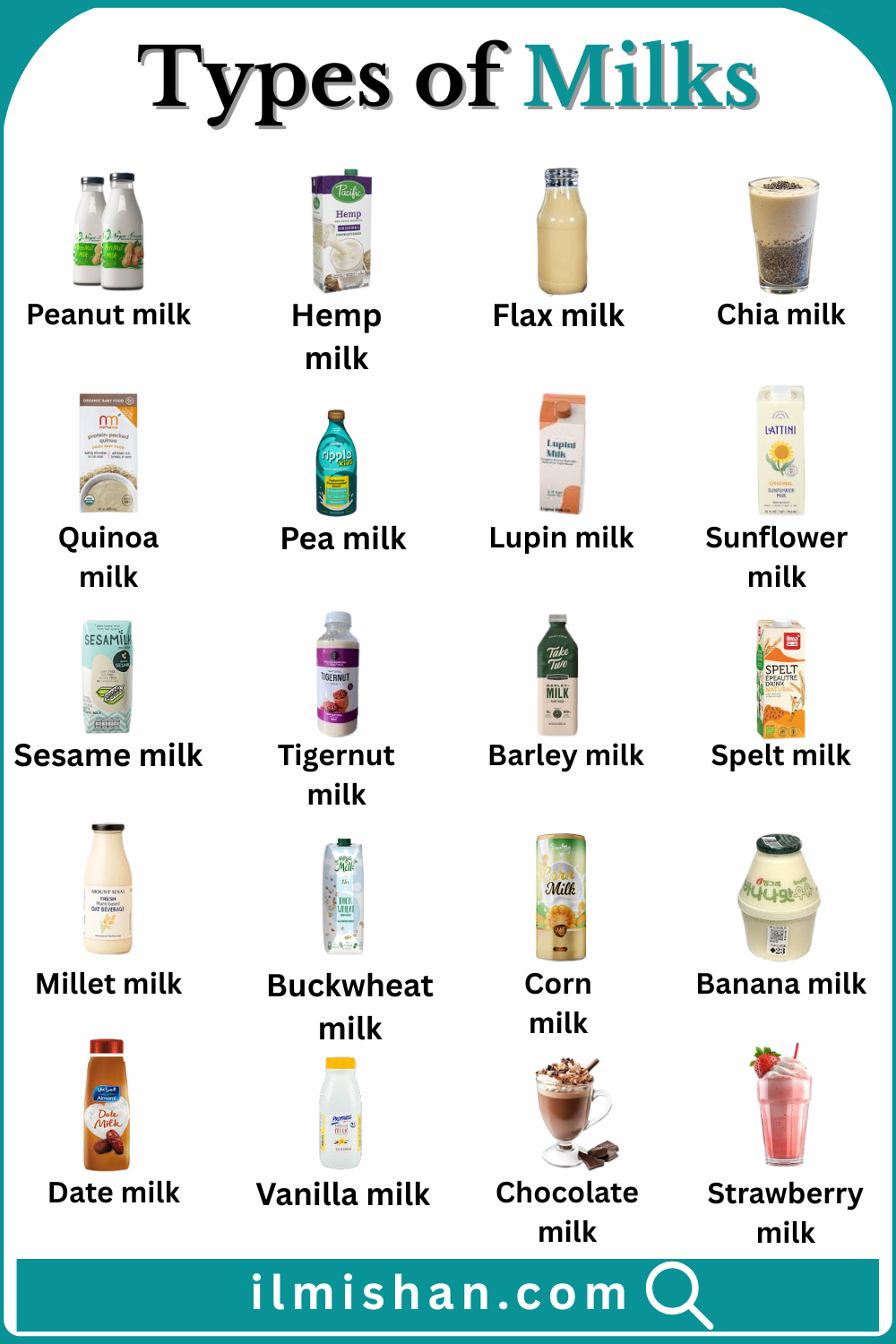
Plant-based milk made from peanuts and water, creamy and nutty in taste, rich in protein, commonly used in smoothies, beverages, and dairy-free cooking.
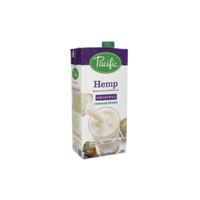
- Hemp milk
Milk alternative produced from hemp seeds, light and slightly nutty, rich in omega fats, lactose-free, and often used in coffee, cereals, and smoothies.
- Flax milk
Dairy-free milk made from flaxseeds, mild in flavor, low in calories, rich in omega-3 fats, suitable for drinking and everyday cooking needs.
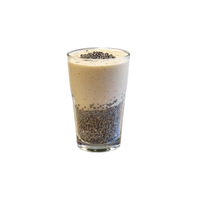
- Chia milk
Plant-based milk prepared from chia seeds, slightly thick in texture, rich in fiber and nutrients, commonly used in smoothies and healthy beverages.
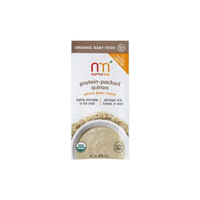
- Quinoa milk
Milk alternative made from cooked quinoa and water, mild and slightly nutty, rich in protein, often used in cereals, baking, and dairy-free recipes.
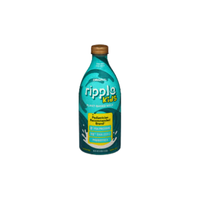
- Pea milk
Plant-based milk made from yellow peas, smooth and creamy, high in protein, neutral in taste, widely used as a dairy substitute in drinks.
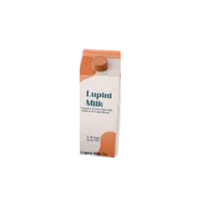
- Lupin milk
Milk alternative made from lupin beans, high in plant protein, low in carbs, creamy in texture, commonly consumed by people avoiding dairy products.
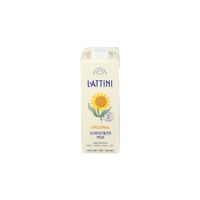
- Sunflower milk
Dairy-free milk produced from sunflower seeds, light and nutty, rich in vitamins, suitable for people with nut allergies and used in beverages.
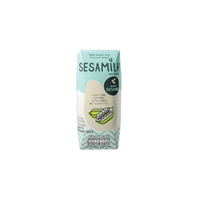
- Sesame milk
Milk made from sesame seeds, slightly nutty and rich, containing minerals and healthy fats, commonly used in traditional and plant-based diets.
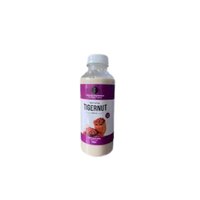
- Tigernut milk
Naturally sweet milk made from tigernuts, not actual nuts, popular in Mediterranean regions, rich in fiber, and consumed as a refreshing drink.
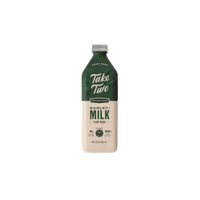
- Barley milk
Plant-based milk made from barley grains, mild and slightly sweet, used as a dairy alternative in beverages, cereals, and light cooking.
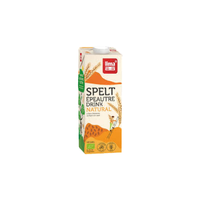
- Spelt milk
Milk alternative produced from spelt grain, lightly sweet and nutty, commonly used in baking, cereals, and dairy-free meal preparations.
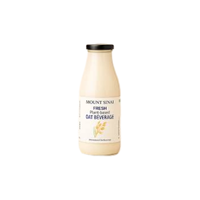
- Millet milk
Dairy-free milk made from millet grains, light in texture, mildly sweet, easy to digest, and used in drinks and plant-based diets.
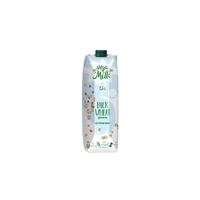
- Buckwheat milk
Milk made from buckwheat, earthy in flavor, gluten-free, nutritious, and commonly used in cereals, smoothies, and dairy-free cooking.
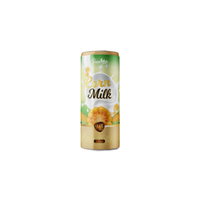
- Corn milk
Milk prepared from corn kernels, naturally sweet and creamy, often consumed as a beverage or used in desserts and traditional dishes.
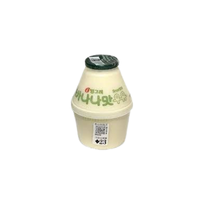
- Banana milk
Flavored milk made by blending milk or plant milk with bananas, sweet and creamy, popular as a refreshing drink and smoothie base.
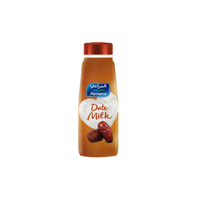
- Date milk
Naturally sweet milk made using dates and milk or plant milk, rich in energy, commonly consumed as a healthy flavored beverage.
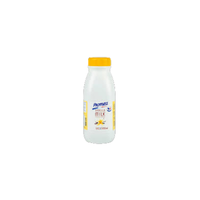
- Vanilla milk
Milk flavored with vanilla, sweet and aromatic, enjoyed as a beverage and commonly used in desserts, shakes, and flavored drinks.
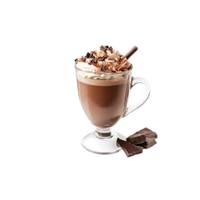
- Chocolate milk
Milk mixed with cocoa and sweetener, rich and sweet in taste, popular among children and adults as a nutritious flavored drink.
- Strawberry milk
Flavored milk prepared with strawberries or strawberry syrup, sweet and fruity, commonly enjoyed chilled as a refreshing beverage.

Explore Milks Types and Names
Type of Milks with Names and image list
- Lactose-free milk
- Skim milk
- Low-fat milk
- Whole milk
- Evaporated milk
- Condensed milk
- Powdered milk
- Fortified milk
- Organic milk
- Raw milk
- Pasteurized milk
- UHT milk
- A2 milk
- Flavored milk
- Protein milk
- Calcium milk
- Omega milk
- Baby formula milk
- Cultured milk
- Fresh milk
Common Types of Milks with their Names and Pictures
- Lactose-free milk
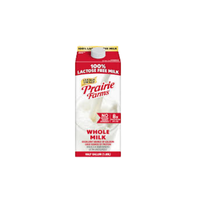
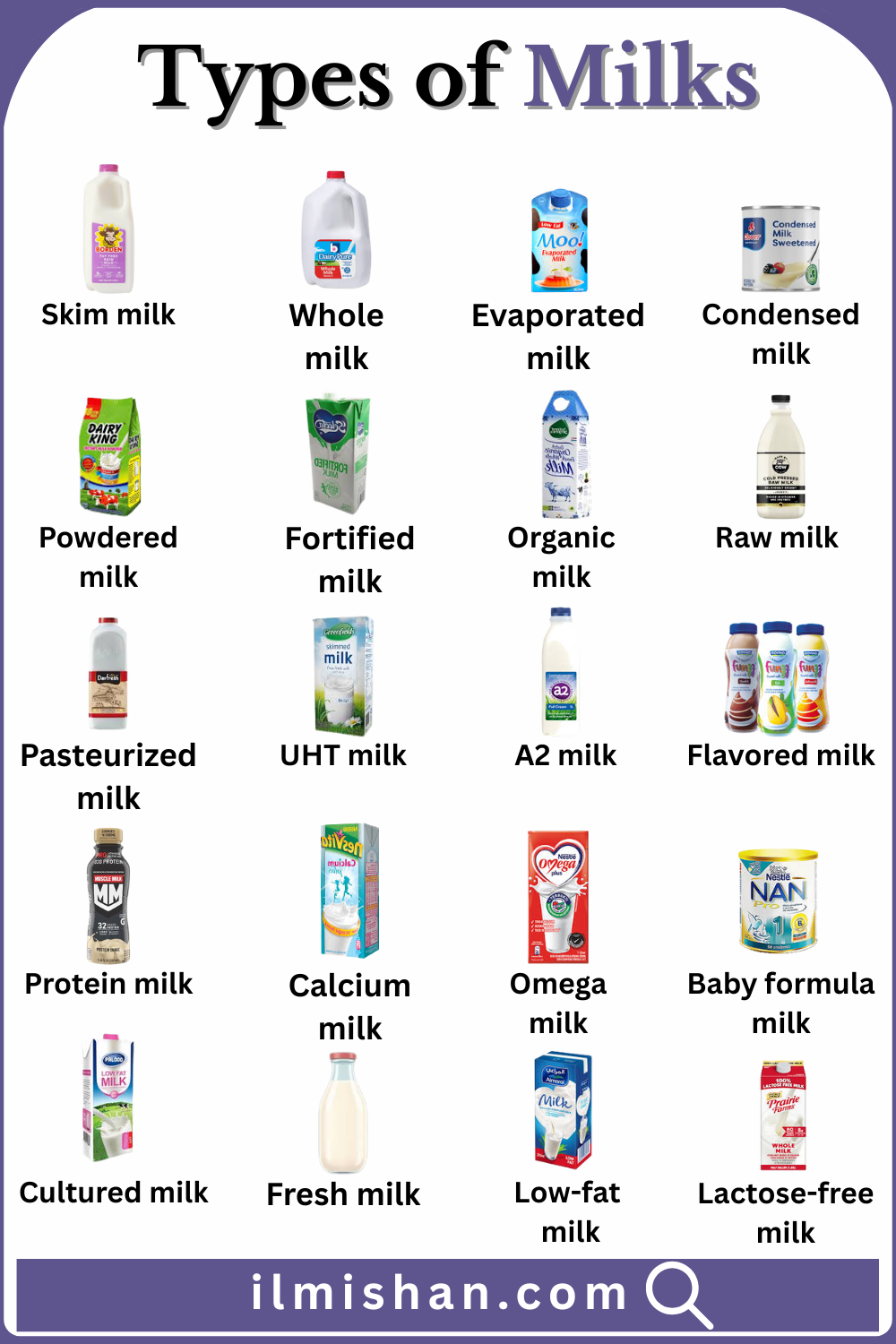
Regular dairy milk treated with lactase enzyme to break down lactose, making it easier to digest for people who are lactose intolerant, while keeping normal milk taste.
- Skim milk
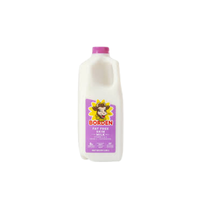
Milk with almost all fat removed, light in texture and calories, commonly consumed by people seeking lower-fat dairy without losing protein and calcium content.
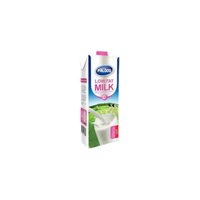
- Low-fat milk
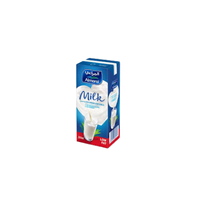
Milk containing reduced fat compared to whole milk, offering balanced nutrition with fewer calories, commonly used for daily drinking and light cooking.
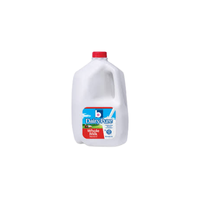
- Whole milk
Milk containing natural milk fat, creamy in texture and rich in flavor, providing energy, vitamins, and nutrients important for growth and overall health.
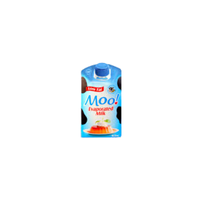
- Evaporated milk
Milk with about sixty percent water removed through heating, thick and creamy, often used in cooking, baking, and savory or sweet recipes.
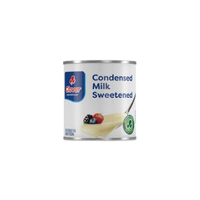
- Condensed milk
Sweetened milk with water removed, thick and syrupy, commonly used in desserts, sweets, and beverages for rich sweetness and creamy texture.
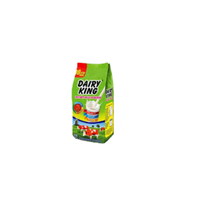
- Powdered milk
Milk dried into powder form for long storage, easily reconstituted with water, widely used in homes, travel, emergencies, and food preparation.
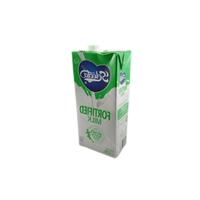
- Fortified milk
Milk enhanced with added vitamins and minerals, such as vitamin D or iron, to improve nutritional value and support better health.
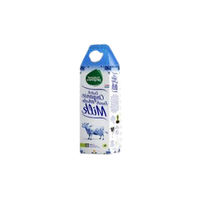
- Organic milk
Milk produced from cows raised without synthetic hormones, antibiotics, or chemical feed, following organic farming standards and natural feeding practices.
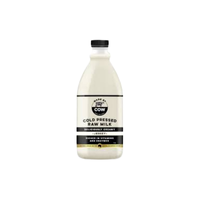
- Raw milk
Unpasteurized milk taken directly from animals, containing natural enzymes and bacteria, requiring careful handling due to potential health risks.
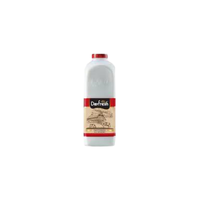
- Pasteurized milk
Milk heated to a specific temperature to kill harmful bacteria, improving safety and shelf life while keeping most nutrients intact.
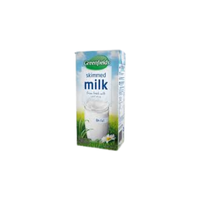
- UHT milk
Milk processed at ultra-high temperature for short time, allowing long shelf life without refrigeration until opened, commonly used in packaged dairy products.
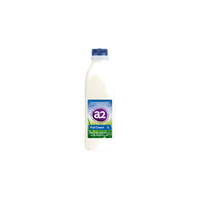
- A2 milk
Milk containing only A2 beta-casein protein, believed by some people to be easier to digest compared to regular milk containing A1 protein.
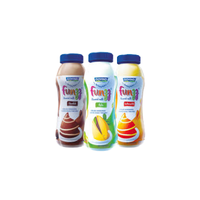
- Flavored milk
Milk mixed with natural or artificial flavors like chocolate or strawberry, sweetened for taste, popular among children and as a ready-to-drink beverage.
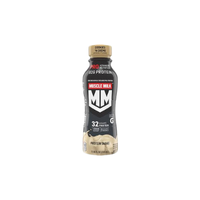
- Protein milk
Milk enriched with extra protein, designed to support muscle growth, recovery, and higher nutritional needs for active individuals.
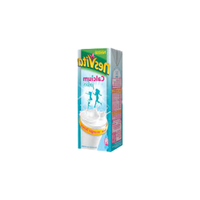
- Calcium milk
Milk fortified with additional calcium to support strong bones and teeth, commonly consumed by growing children and older adults.
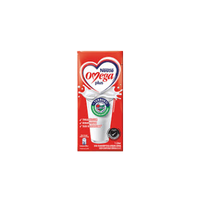
- Omega milk
Milk enriched with omega fatty acids, usually from cow feed, supporting heart and brain health while maintaining regular milk taste.
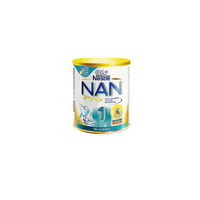
- Baby formula milk
Specially prepared milk designed to meet infants’ nutritional needs when breastfeeding is not possible, closely mimicking nutrients found in human milk.
- Cultured milk
Milk fermented with beneficial bacteria, giving a slightly tangy taste, commonly used for digestive health and traditional dairy products.
- Fresh milk
Milk that is recently produced and minimally processed, offering natural taste and nutrients, usually consumed within a short period after processing.
Common Types of Milks with their Names and Pictures