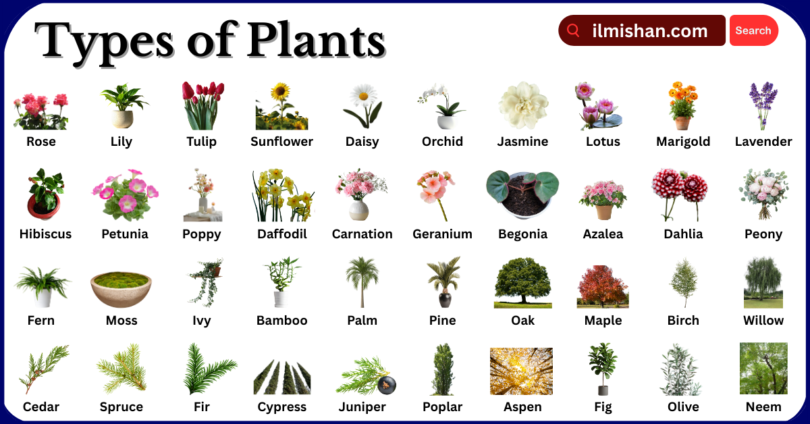

Plants are an important part of our world. They give us oxygen to breathe, food to eat, medicine to heal, and beauty to enjoy. From tiny grass growing on roadsides to tall trees in forests, plants come in many different shapes, sizes, and types. Understanding the different types of plants helps us appreciate nature better and learn how each plant plays a special role in our environment. In this article, you will learn the main types of plants along with their names in English, explained in a simple and clear way. Whether you are a student, a teacher, or just someone curious about nature, this guide will make it easy to recognize plants around you and understand how they grow, survive, and support life on Earth.
List of Plants Names in English
- Rose
- Lily
- Tulip
- Sunflower
- Daisy
- Orchid
- Jasmine
- Lotus
- Marigold
- Lavender
- Hibiscus
- Petunia
- Poppy
- Daffodil
- Carnation
- Geranium
- Begonia
- Azalea
- Dahlia
- Peony
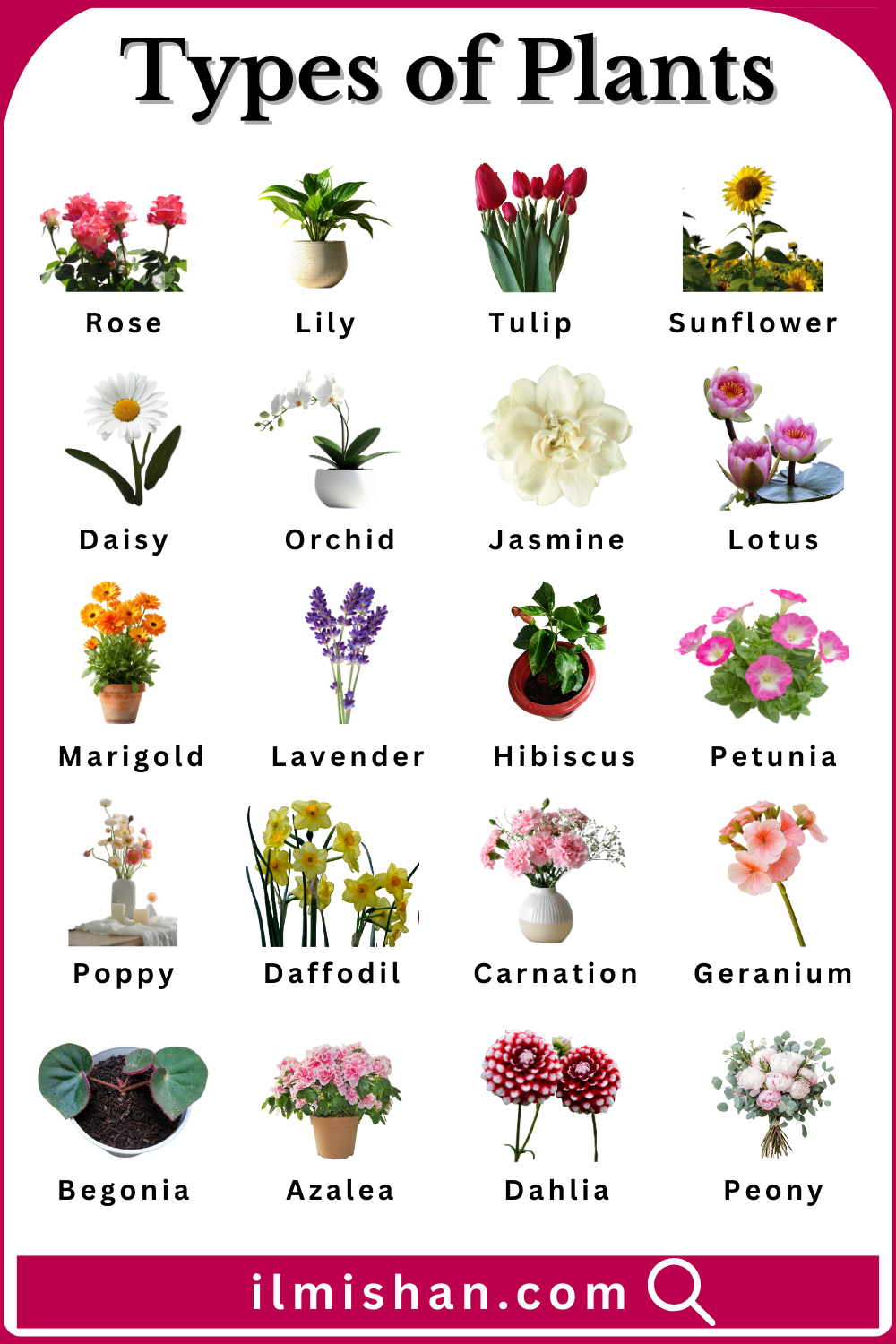
Types of Plants with Names in English and Pictures
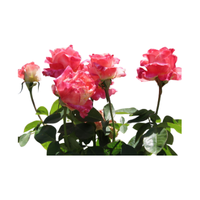
- Rose
A popular flowering plant known for its layered petals, pleasant fragrance, and thorny stems, widely grown in gardens for decoration, gifts, perfume making, and symbolizing love, beauty, and emotion.
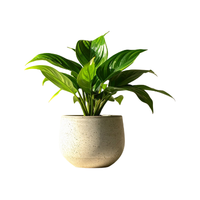
- Lily
A graceful flowering plant with large, trumpet-shaped blooms, often fragrant, commonly grown in gardens and bouquets, symbolizing purity and renewal, and thriving in well-drained soil and sunlight.
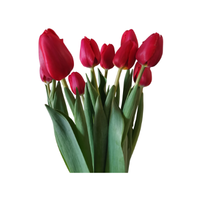
- Tulip
A spring-blooming plant with smooth petals shaped like a cup, grown from bulbs, known for bright colors, simple beauty, and widespread cultivation in gardens and floral displays worldwide.
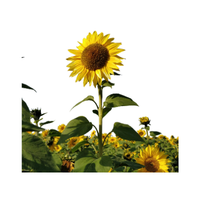
- Sunflower
A tall plant with a large yellow flower head that follows sunlight, grown for seeds and oil, valued for nutrition, beauty, wildlife support, and strong symbolic association with positivity.
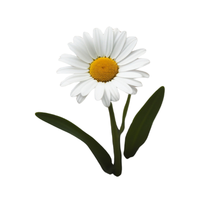
- Daisy
A small flowering plant with white petals and a yellow center, commonly found in fields and gardens, symbolizing innocence, simplicity, and freshness, and easy to grow in sunlight.
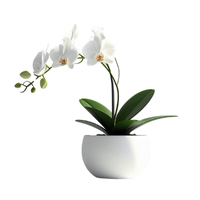
- Orchid
A diverse flowering plant family known for exotic shapes, vibrant colors, and long-lasting blooms, often grown indoors, thriving in humid conditions, and admired for elegance and uniqueness.
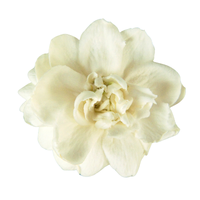
- Jasmine
A climbing or shrub plant producing small white or yellow fragrant flowers, widely used for perfumes, teas, and decoration, especially valued for its strong sweet scent.
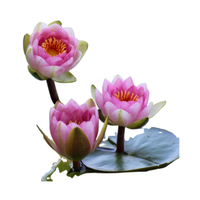
- Lotus
An aquatic plant with large round leaves and beautiful flowers, growing in ponds, symbolizing purity and rebirth, and valued for spiritual significance, food uses, and ornamental beauty.
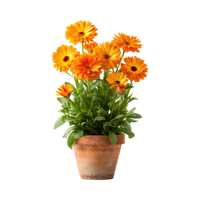
- Marigold
A hardy flowering plant with bright orange or yellow blooms, easy to grow, commonly used in gardens, festivals, and pest control, known for long flowering seasons.
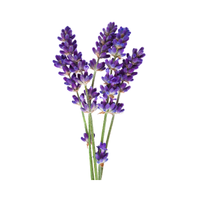
- Lavender
An aromatic herb with purple flowers, grown for fragrance, oils, and calming effects, widely used in perfumes, medicine, and gardens, preferring sunny locations and well-drained soil.
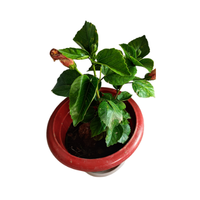
- Hibiscus
A tropical flowering plant with large colorful blooms, commonly used for decoration, teas, and herbal uses, thriving in warm climates and admired for its bold appearance.
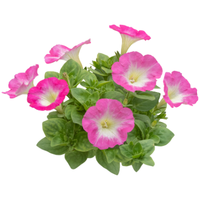
- Petunia
A colorful flowering plant often grown in hanging baskets and gardens, producing trumpet-shaped flowers, blooming generously, and valued for easy care and long flowering periods.
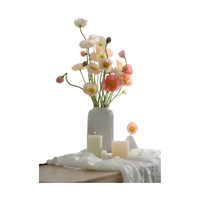
- Poppy
A flowering plant with delicate, colorful petals, known for its seeds and medicinal uses, commonly grown in fields and gardens, symbolizing remembrance and peace.
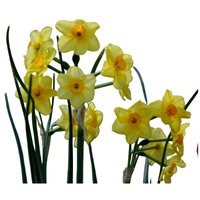
- Daffodil
A spring flower with a trumpet-shaped center and yellow or white petals, grown from bulbs, symbolizing renewal and hope, and among the earliest blooms after winter.
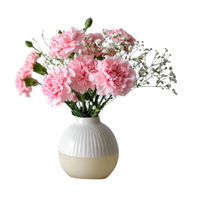
- Carnation
A flowering plant with ruffled petals and spicy fragrance, widely used in bouquets, available in many colors, symbolizing love, admiration, and resilience, and easy to cultivate.
- Geranium
A garden plant with rounded leaves and colorful clustered flowers, commonly grown in pots and borders, valued for long blooms, pleasant scent, and pest-repelling qualities.
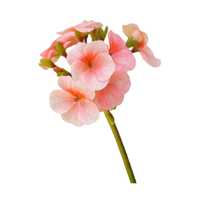
- Begonia
An ornamental plant with attractive leaves and bright flowers, often grown indoors or in shade gardens, appreciated for decorative foliage and long-lasting colorful blooms.
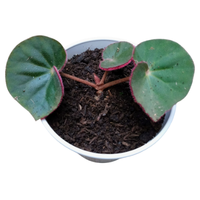
- Azalea
A flowering shrub producing clusters of colorful blooms in spring, thriving in acidic soil, commonly grown in gardens, and admired for vibrant seasonal displays.
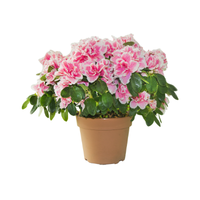
- Dahlia
A tuber-grown flowering plant with large, decorative blooms in many shapes and colors, widely used in gardens and floral arrangements for dramatic visual appeal.
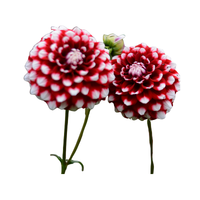
- Peony
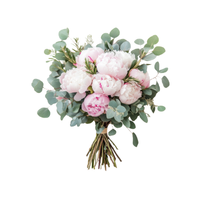
A perennial flowering plant with large, fragrant blooms, long lifespan, and lush petals, commonly grown in gardens and valued for elegance and seasonal beauty.
Types of Plants with Names in English and Pictures
Names List of Plant in English
- Magnolia
- Gardenia
- Chrysanthemum
- Aster
- Zinnia
- Snapdragon
- Bluebell
- Buttercup
- Camellia
- Foxglove
- Hydrangea
- Iris
- Oleander
- Phlox
- Primrose
- Verbena
- Wisteria
- Yucca
- Aloe
- Cactus
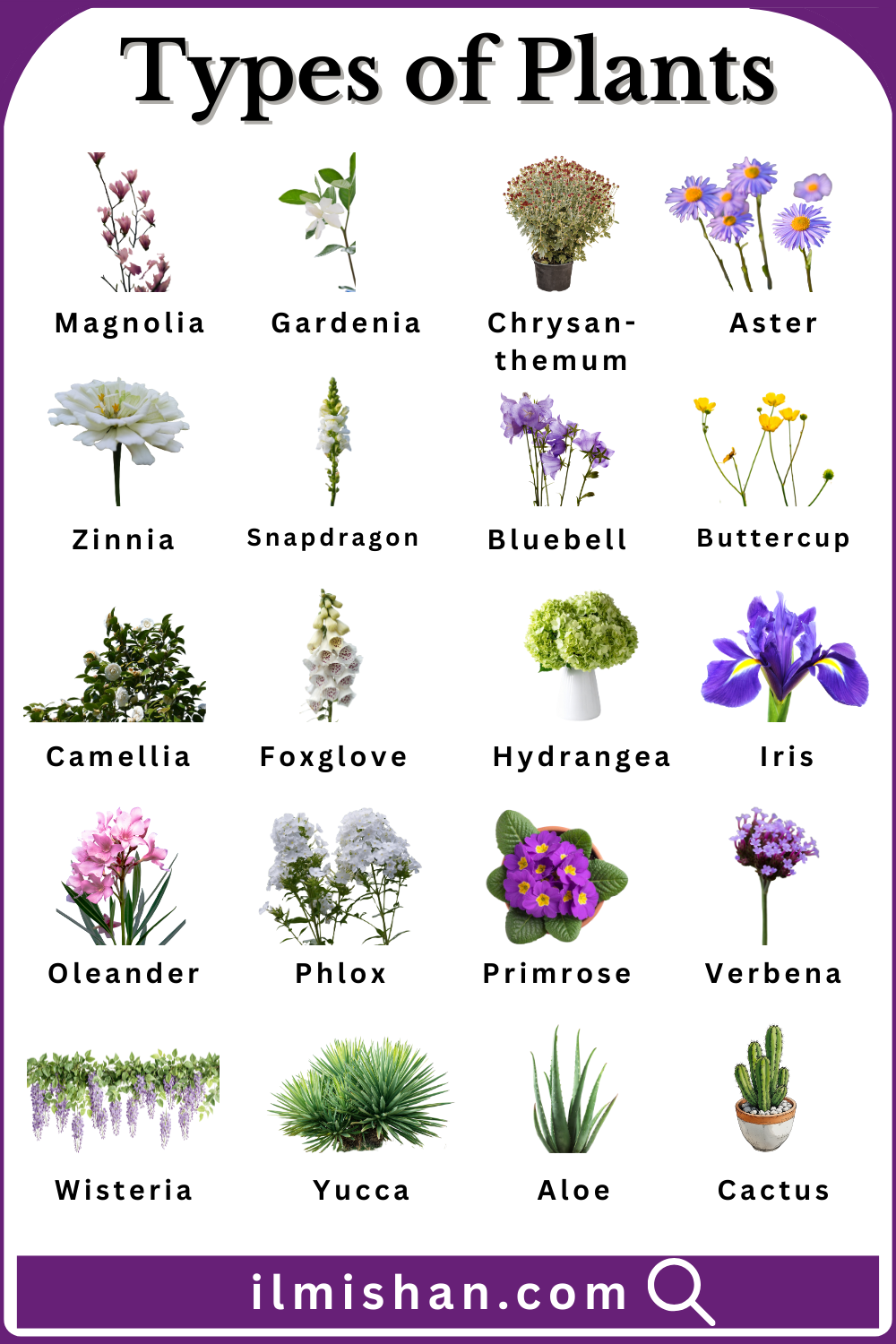
Different Types of Plants with Name and Pictures
- Magnolia
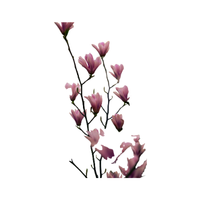
A tree or shrub with large glossy leaves and fragrant flowers, often blooming early spring, admired for beauty, shade, and ornamental value in landscapes.
- Gardenia
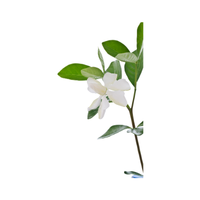
A shrub with dark green leaves and creamy white fragrant flowers, grown in warm climates, valued for strong scent and decorative appeal in gardens.
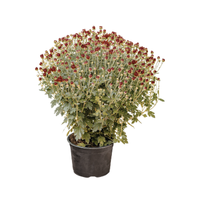
- Chrysanthemum
A flowering plant producing dense, colorful blooms in autumn, widely used in gardens and decoration, symbolizing longevity and cheerfulness in many cultures.
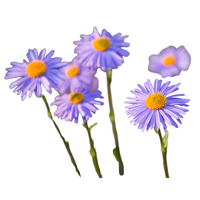
- Aster
A daisy-like flowering plant blooming in late summer and autumn, attracting pollinators, grown in gardens for colorful seasonal interest and easy maintenance.
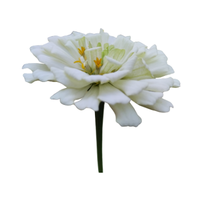
- Zinnia
A fast-growing flowering plant with bright, bold blooms, popular in gardens for attracting butterflies, tolerance to heat, and long-lasting cut flowers.
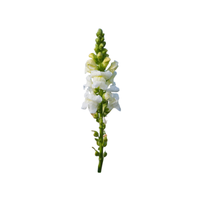
- Snapdragon
A flowering plant with tall spikes of colorful, mouth-shaped blooms, commonly grown in gardens, known for unique shape and preference for cooler temperatures.
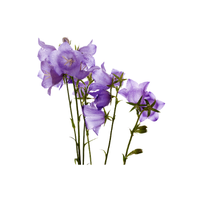
- Bluebell
A woodland flowering plant with drooping blue bell-shaped flowers, blooming in spring, creating scenic carpets and supporting pollinators.
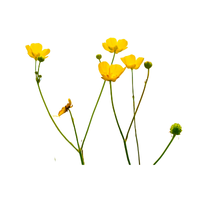
- Buttercup
A small flowering plant with shiny yellow petals, commonly found in meadows, symbolizing cheerfulness and thriving in moist soil and sunlight.
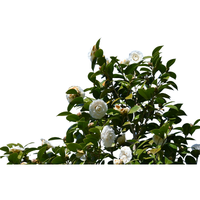
- Camellia
An evergreen shrub with glossy leaves and rose-like flowers, blooming in cooler months, admired for elegance and long-lasting blooms.
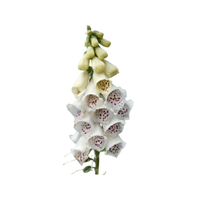
- Foxglove
A tall flowering plant with bell-shaped blooms arranged on spikes, grown ornamentally, important medicinally, but toxic if misused.
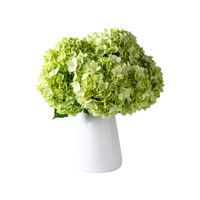
- Hydrangea
A shrub producing large round flower clusters, changing color based on soil, widely grown for decorative garden displays.
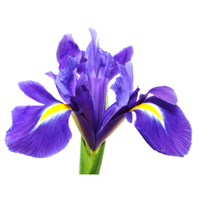
- Iris
A flowering plant with sword-like leaves and colorful blooms, often grown near water, symbolizing faith, wisdom, and beauty.
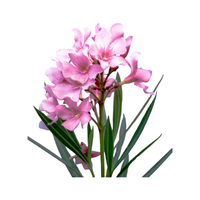
- Oleander
An evergreen shrub with narrow leaves and colorful flowers, hardy and drought-tolerant, commonly used in landscaping but poisonous if ingested.
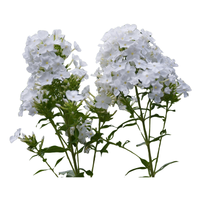
- Phlox
A flowering plant producing clusters of fragrant blooms, grown in gardens for summer color and attracting butterflies and bees.
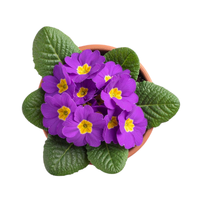
- Primrose
An early spring flowering plant with colorful blooms, symbolizing youth and renewal, commonly grown in gardens and pots.
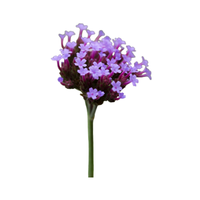
- Verbena
A flowering plant with small clustered blooms, grown in gardens for long flowering periods and attraction to pollinators.
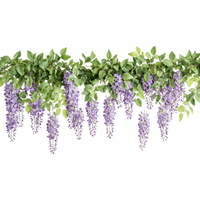
- Wisteria
A climbing plant with cascading clusters of fragrant purple or white flowers, grown on supports for dramatic spring displays.
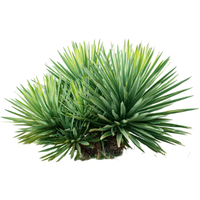
- Yucca
A hardy plant with sword-like leaves and tall flower spikes, adapted to dry climates and commonly used in landscaping.
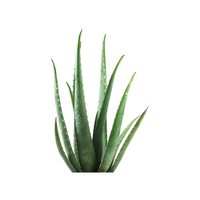
- Aloe
A succulent plant with thick fleshy leaves, widely used for skin care and medicinal purposes, thriving in dry, sunny conditions.
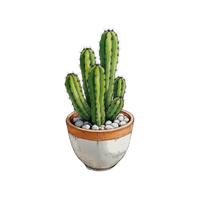
- Cactus
A desert plant with thick stems storing water and spines instead of leaves, adapted to survive extreme dry environments.
Different Types of Plants with Name and Pictures
20 Common Plant Names List in English
- Fern
- Moss
- Ivy
- Bamboo
- Palm
- Pine
- Oak
- Maple
- Birch
- Willow
- Cedar
- Spruce
- Fir
- Cypress
- Juniper
- Poplar
- Aspen
- Fig
- Olive
- Neem
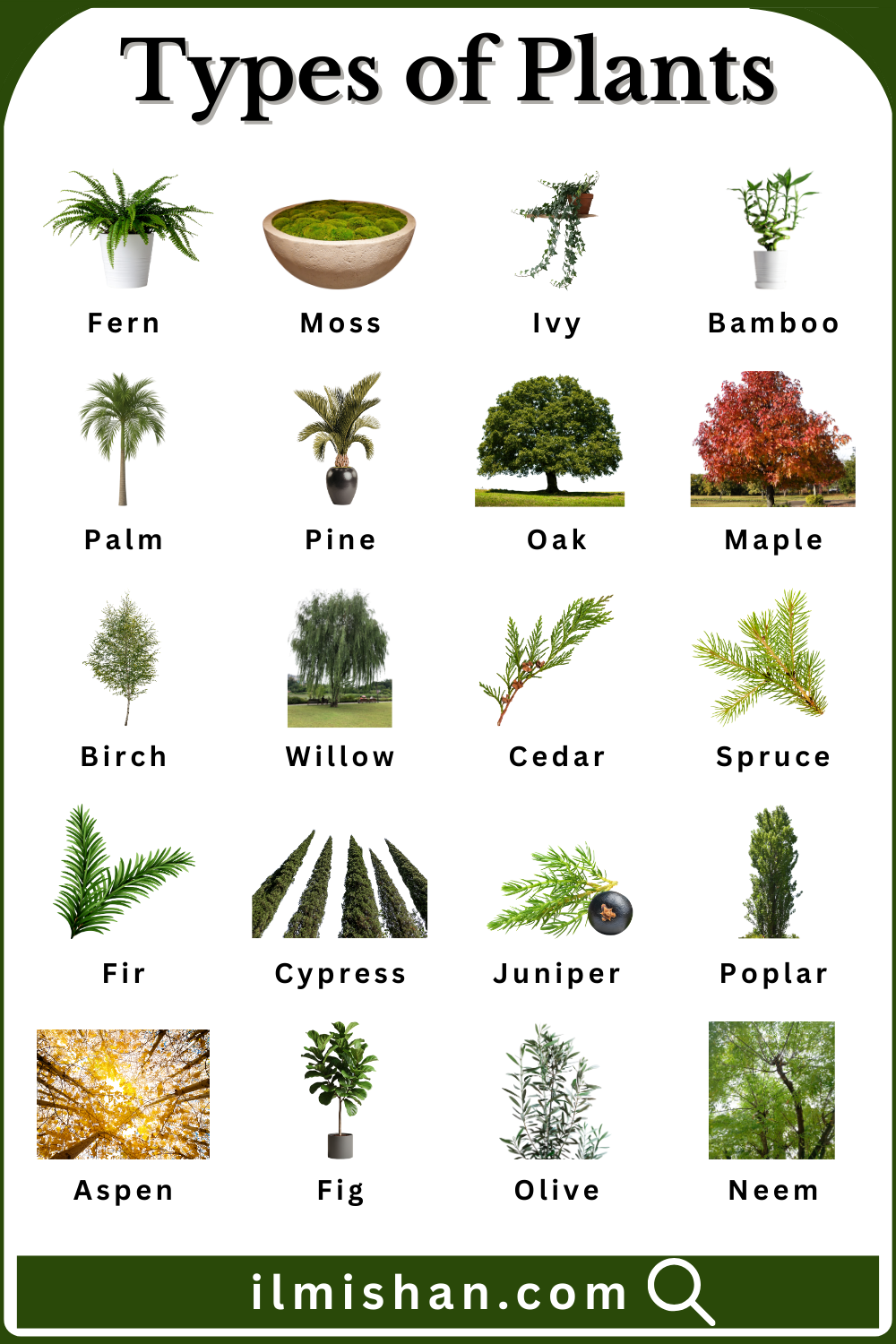
Names of Plants in English with Images
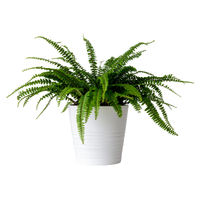
- Fern
A non-flowering plant with feathery fronds, reproducing by spores, commonly grown indoors and in shaded garden areas.
- Moss
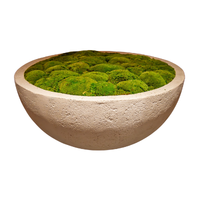
A small non-flowering plant growing in damp, shaded areas, forming green carpets and helping retain moisture in ecosystems.
- Ivy
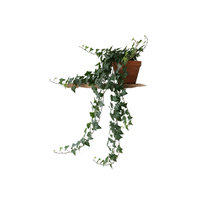
A climbing or ground-cover plant with evergreen leaves, grown for decoration and wall coverage, known for strong growth.
- Bamboo
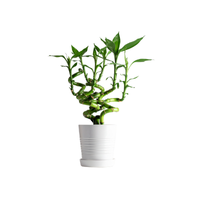
A fast-growing grass with woody stems, widely used for construction, furniture, and decoration, valued for strength and sustainability.
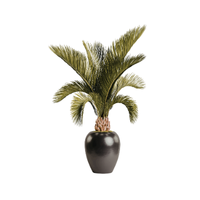
- Palm
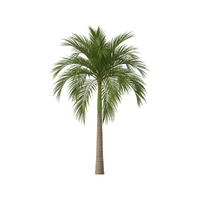
A tree with a tall trunk and large fan-shaped leaves, common in tropical regions, providing food, shade, and ornamental beauty.
- Pine
An evergreen coniferous tree with needle-like leaves, producing cones, widely used for timber, paper, and landscaping.
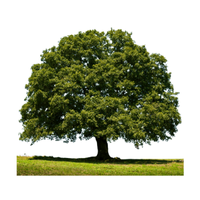
- Oak
A strong hardwood tree with lobed leaves and acorns, known for longevity, shade, and valuable timber.
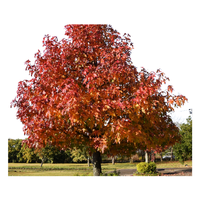
- Maple
A deciduous tree with distinctive leaves, valued for shade, timber, and sweet maple syrup production.
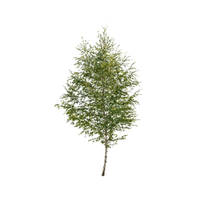
- Birch
A tree with white bark and slender branches, growing in cool climates, valued for wood and ornamental beauty.
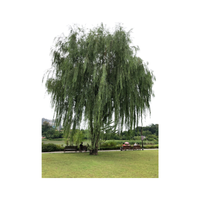
- Willow
A tree with long flexible branches, growing near water, used for shade, baskets, and erosion control.
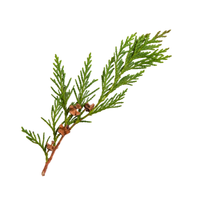
- Cedar
An evergreen tree with aromatic wood, valued for construction, furniture, and natural insect resistance.
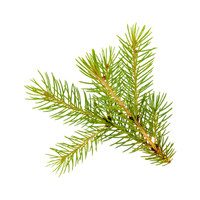
- Spruce
A coniferous tree with needle-like leaves, commonly used for timber and as Christmas trees.
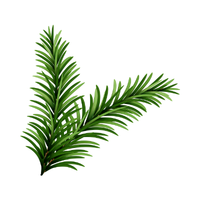
- Fir
An evergreen conifer with soft needles, valued for timber and ornamental uses.
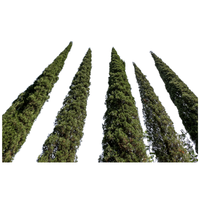
- Cypress
An evergreen tree with dense foliage, often planted for windbreaks, decoration, and durable timber.
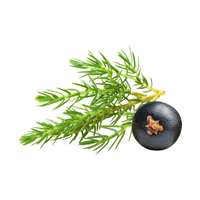
- Juniper
A coniferous plant producing berries, used for flavoring, medicine, and ornamental landscaping.
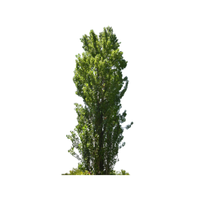
- Poplar
A fast-growing tree with tall straight trunk, commonly used for timber and paper production.
- Aspen
A deciduous tree with trembling leaves, growing in cool regions, valued for timber and scenic beauty.

- Fig
A fruit-bearing tree producing sweet figs, grown in warm climates and valued for nutrition.
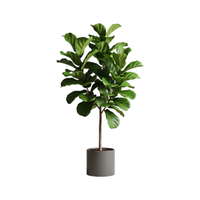
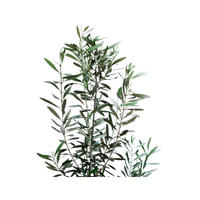
- Olive
A tree producing olives, used for oil and food, widely grown in Mediterranean regions.
- Neem
A medicinal tree known for antibacterial properties, widely used in traditional medicine and agriculture.

Names of Plants in English with Images
Popular Plants Names List in English
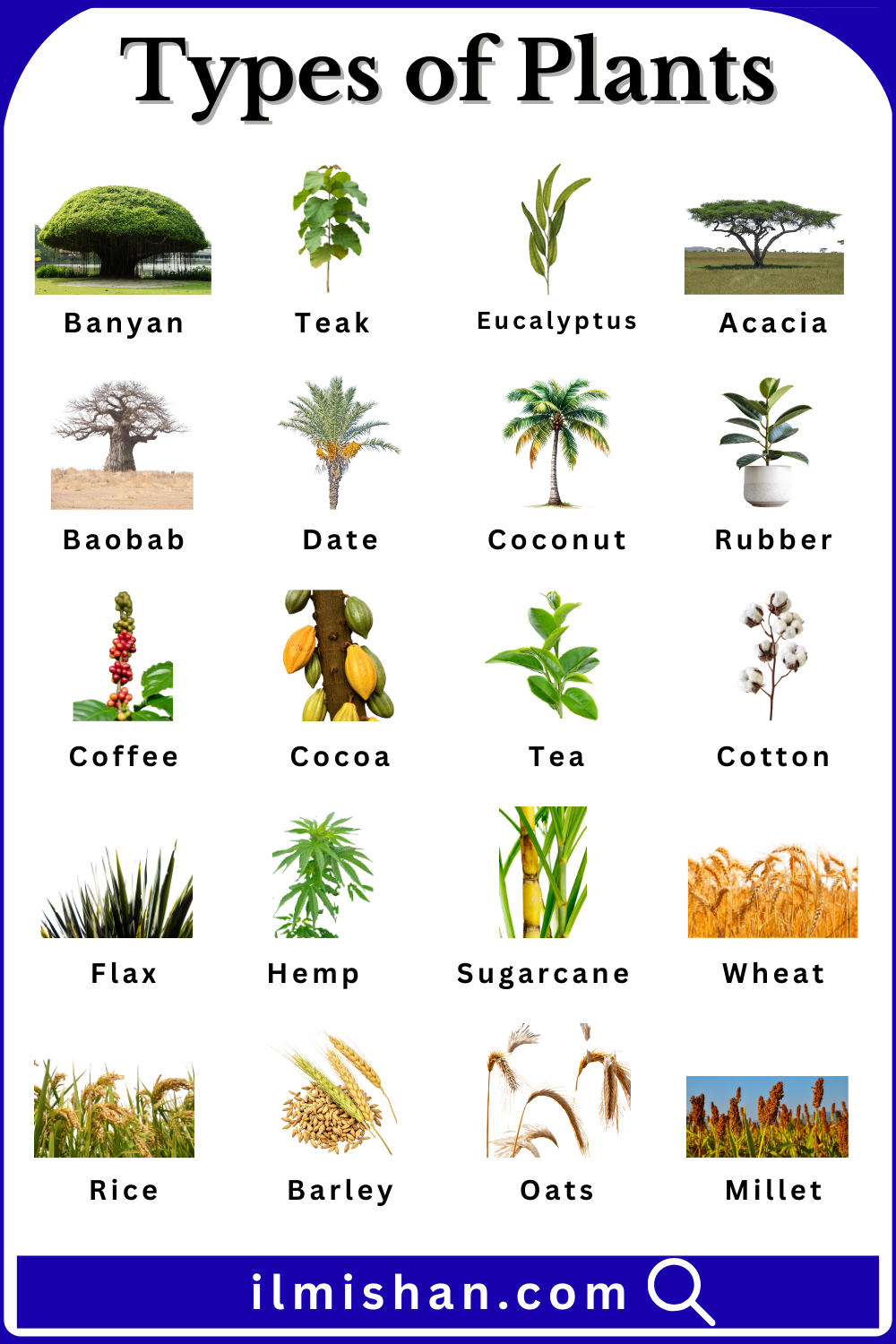
- Banyan
- Teak
- Eucalyptus
- Acacia
- Baobab
- Date
- Coconut
- Rubber
- Coffee
- Cocoa
- Tea
- Cotton
- Flax
- Hemp
- Sugarcane
- Wheat
- Rice
- Barley
- Oats
- Millet
Most Common Types of Plants Names in English
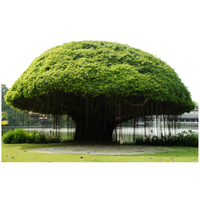
- Banyan
A large tree with aerial roots forming multiple trunks, providing shade and cultural significance.
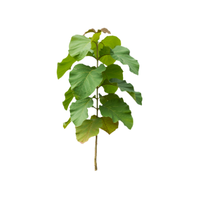
- Teak
A hardwood tree valued for durable, water-resistant timber used in furniture and construction.
- Eucalyptus
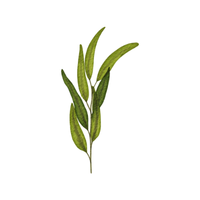
A fast-growing tree with aromatic leaves, used for oil, medicine, and timber.
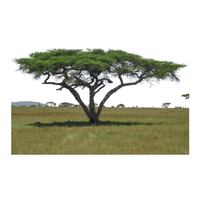
- Acacia
A thorny tree or shrub, adapted to dry climates, providing shade, gum, and timber.
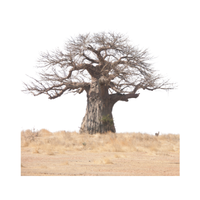
- Baobab
A massive tree with thick trunk, storing water, native to Africa, known for longevity.
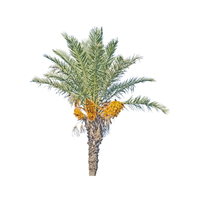
- Date
A palm tree producing sweet edible dates, grown in dry regions and valued for nutrition.
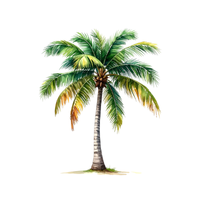
- Coconut
A palm tree producing coconuts, providing food, oil, fiber, and building materials.
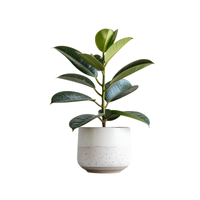
- Rubber
A tree producing latex sap, used to make natural rubber for industrial products.
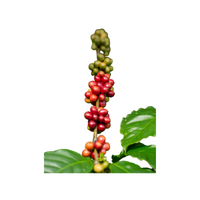
- Coffee
A plant producing coffee beans, grown in tropical regions, used worldwide for beverages.
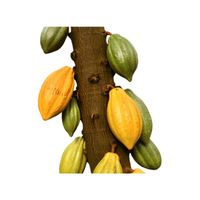
- Cocoa
A tropical plant producing cocoa beans, used to make chocolate and related products.
- Tea
A shrub whose leaves are used to prepare tea, widely consumed worldwide as a beverage.
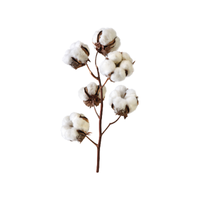
- Cotton
A plant producing soft fibers, used for making textiles and clothing.
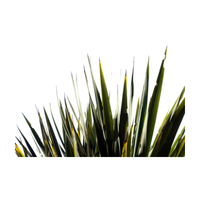
- Flax
A plant grown for fibers and seeds, used to make linen and oil.
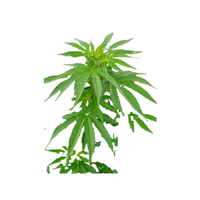
- Hemp
A fast-growing plant used for fiber, oil, and eco-friendly products.
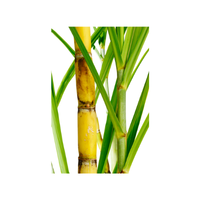
- Sugarcane
A tall grass producing sugar-rich juice, widely grown for sugar and ethanol.
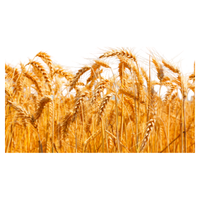
- Wheat
A cereal crop producing grains, used as a staple food worldwide.
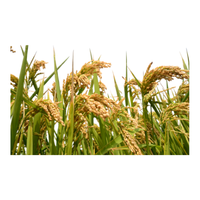
- Rice
A staple grain crop grown in flooded fields, feeding billions globally.
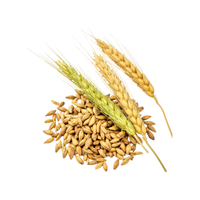
- Barley
A cereal grain used for food, animal feed, and brewing.
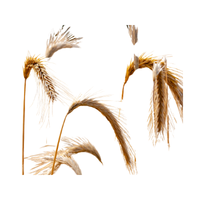
- Oats
A cereal crop used for food and animal feed, known for nutrition.
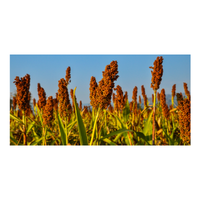
- Millet
A drought-resistant cereal crop, grown for food in dry regions.
Most Common Types of Plants Names in English
List of Plant by Common Names in English
- Basil
- Mint
- Thyme
- Rosemary
- Sage
- Parsley
- Cilantro
- Spinach
- Lettuce
- Cabbage
- Broccoli
- Cauliflower
- Tomato
- Pepper
- Cucumber
- Pumpkin
- Squash
- Zucchini
- Okra
- Corn
20 Types of Plants Names in English
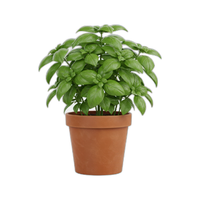
- Basil
An aromatic herb used in cooking, especially Italian dishes.
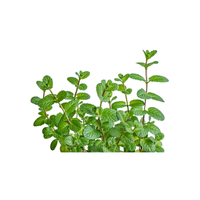
- Mint
A fast-growing herb with a cooling flavor, used in food and medicine.
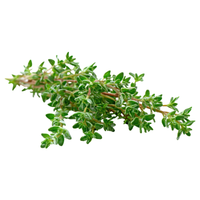
- Thyme
A fragrant herb used in cooking and medicinal remedies.
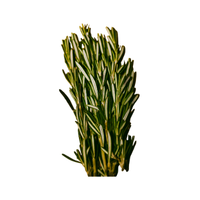
- Rosemary
A woody herb with needle-like leaves, used for seasoning and fragrance.
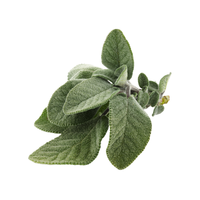
- Sage
A medicinal and culinary herb with soft leaves.
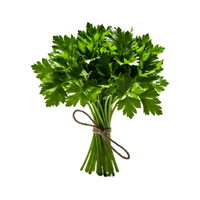
- Parsley
A leafy herb used for flavoring and garnish.
- Cilantro
An herb used in cooking, known for fresh flavor.
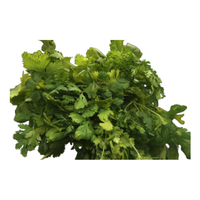
- Spinach
A leafy vegetable rich in nutrients.
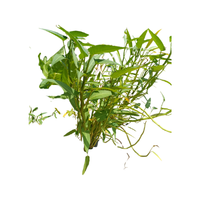
- Lettuce
A leafy vegetable used in salads.
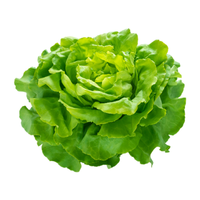
- Cabbage
A leafy vegetable grown for food.
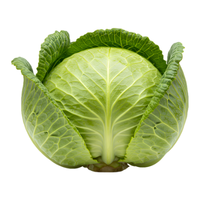
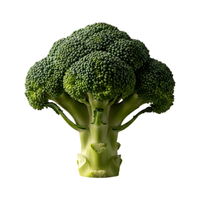
- Broccoli
A green vegetable with flower heads.
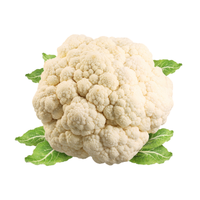
- Cauliflower
A vegetable with dense white flower heads.
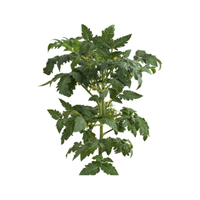
- Tomato
A juicy fruit used as a vegetable.
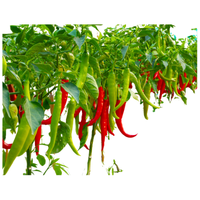
- Pepper
A plant producing spicy or sweet pods.
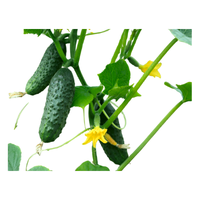
- Cucumber
A vine producing refreshing fruits.
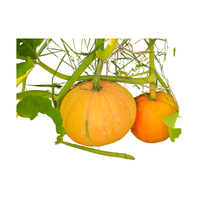
- Pumpkin
A large vine fruit used in food.
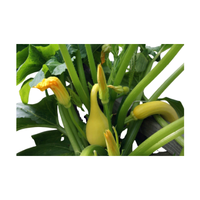
- Squash
A group of edible vine plants.
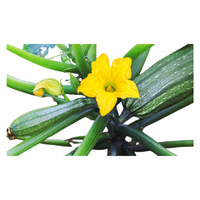
- Zucchini
A tender summer squash variety.
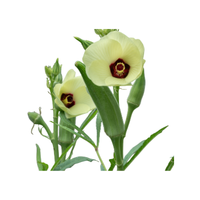
- Okra
A vegetable with edible green pods.
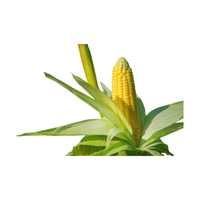
- Corn
A tall cereal crop producing edible kernels.
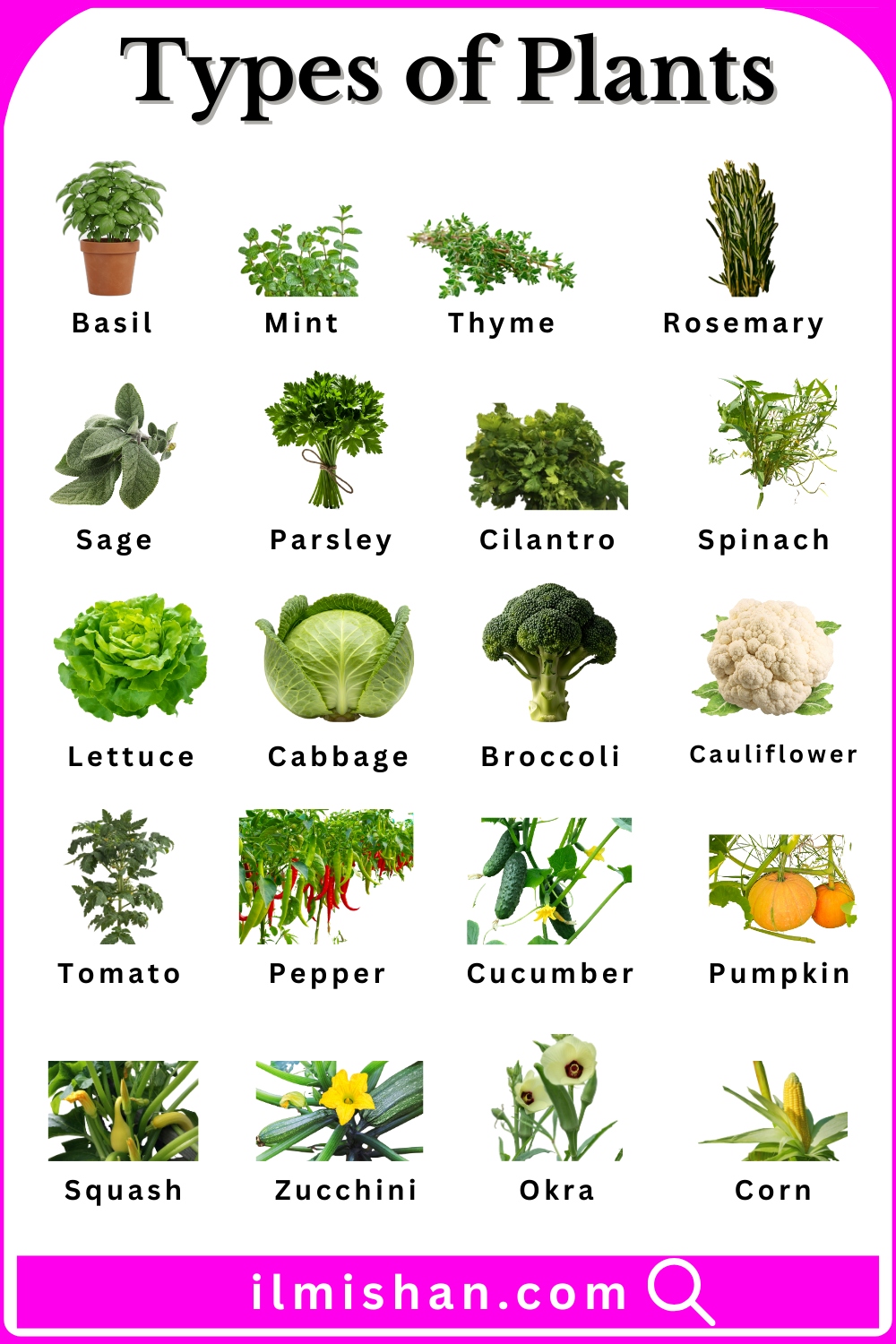
20 Types of Plants Names in English
Learn more helpful articles