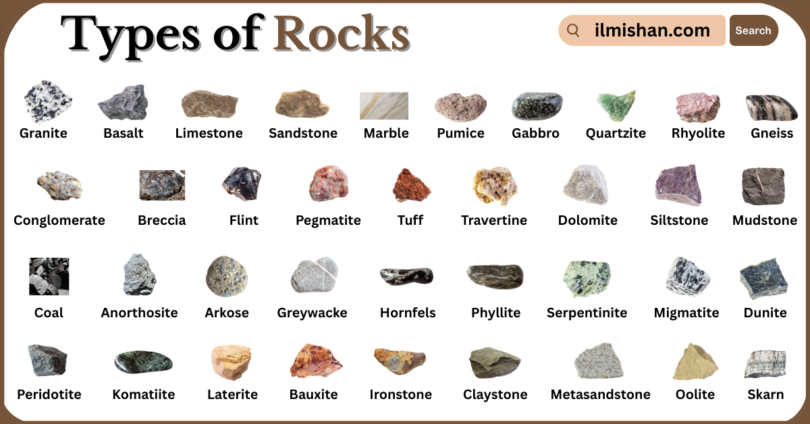

List of Rocks with Names in English
- Granite
- Basalt
- Limestone
- Sandstone
- Marble
- Slate
- Obsidian
- Pumice
- Gabbro
- Diorite
- Rhyolite
- Andesite
- Quartzite
- Schist
- Gneiss
- Conglomerate
- Breccia
- Chalk
- Flint
- Shale
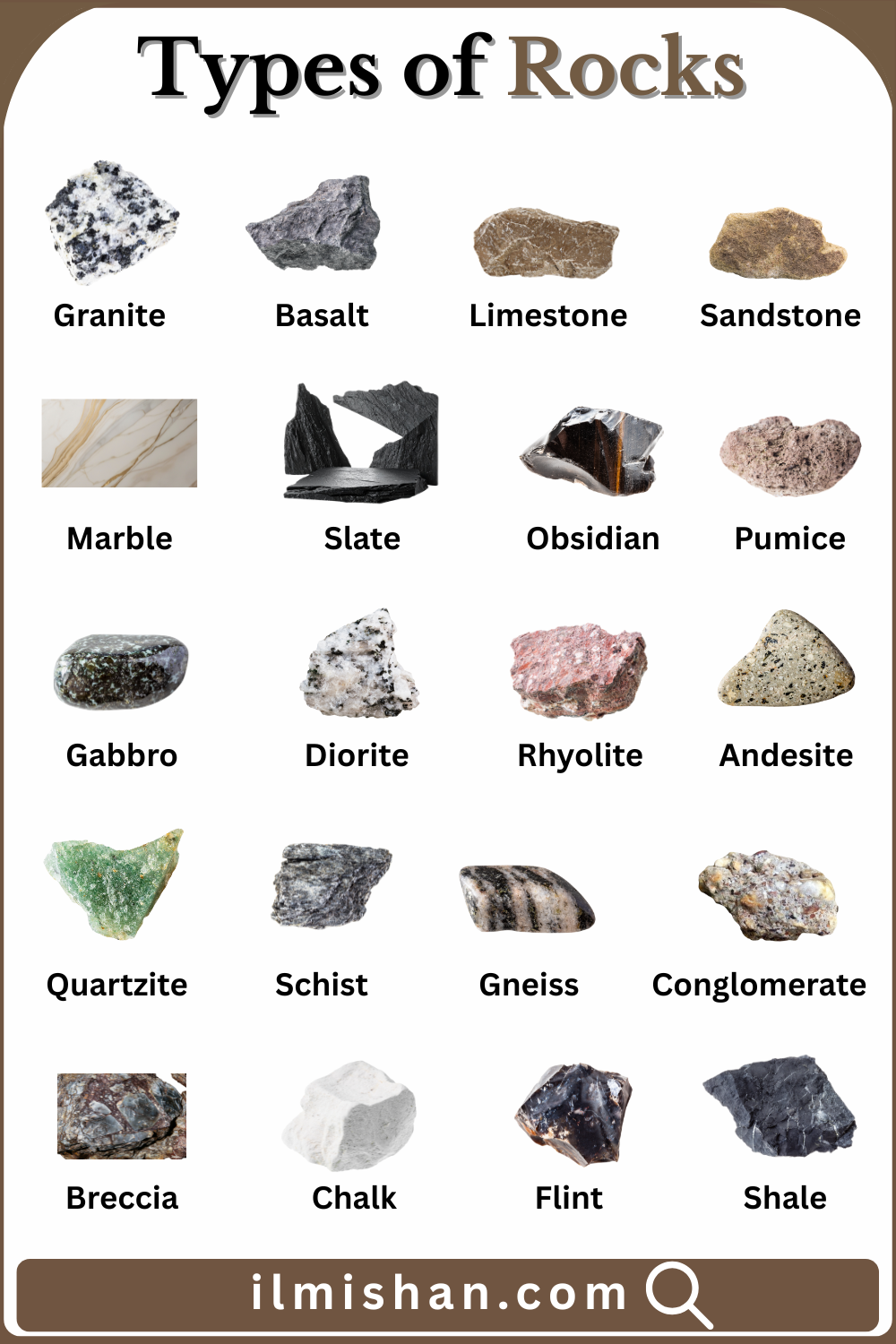
Types of Rocks With Names in English and Pictures
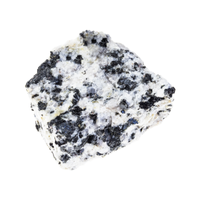
- Granite
A hard igneous rock formed from cooled magma. It is strong, durable, and widely used for buildings, kitchen countertops, and monuments.
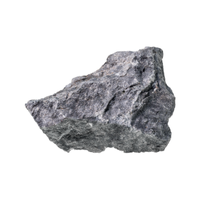
- Basalt
A dark, fine-grained igneous rock formed from lava. It is commonly found in volcanic areas and used in road construction and building materials.
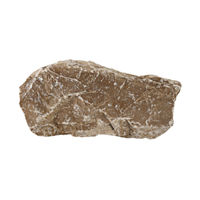
- Limestone
A sedimentary rock made mainly from calcium carbonate. It forms from shells and marine life and is used in cement, lime, and building stone.
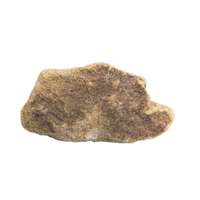
- Sandstone
A sedimentary rock formed from sand particles pressed together. It is commonly used in construction, paving, and decorative stonework.
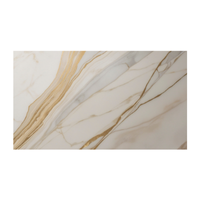
- Marble
A metamorphic rock formed from limestone. It is smooth, strong, and used for statues, flooring, and decorative building purposes.
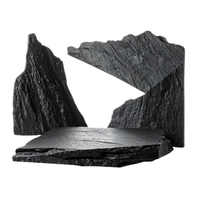
- Slate
A fine-grained metamorphic rock that splits into flat sheets. It is used for roofing, flooring, and writing slates.
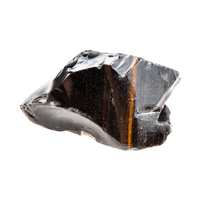
- Obsidian
A natural volcanic glass formed from rapidly cooled lava. It is sharp-edged and historically used for tools and decorative objects.
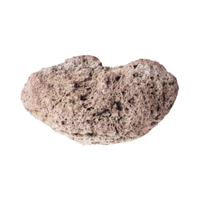
- Pumice
A light volcanic rock full of air holes. It floats on water and is used for cleaning, polishing, and lightweight construction.
- Gabbro
A coarse-grained igneous rock formed deep underground. It is dark-colored and used as crushed stone and decorative material.
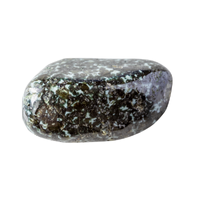
- Diorite
An igneous rock with mixed light and dark minerals. It is strong and used in construction and decorative stonework.
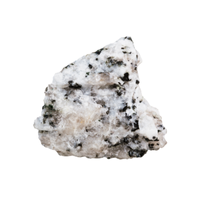
- Rhyolite
A light-colored volcanic rock with fine texture. It forms from silica-rich lava and is found in volcanic regions.
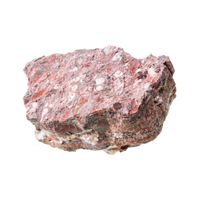
- Andesite
A volcanic rock with fine grains. It forms from intermediate lava and is commonly found near volcanoes.
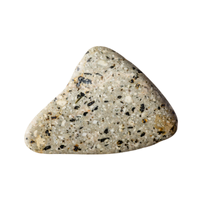
- Quartzite
A hard metamorphic rock formed from sandstone. It is durable and used for flooring, countertops, and decorative stone.

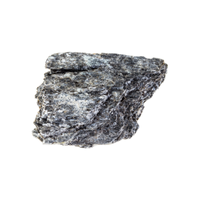
- Schist
A metamorphic rock with visible layers of minerals. It splits easily and is used as decorative stone.
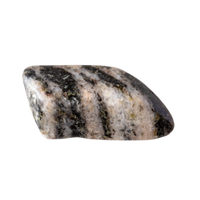
- Gneiss
A banded metamorphic rock formed under high heat and pressure. It is strong and used in construction and landscaping.
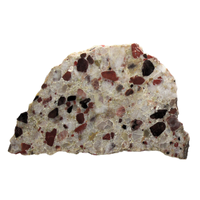
- Conglomerate
A sedimentary rock made of rounded stones cemented together. It forms in riverbeds and is used as decorative stone.
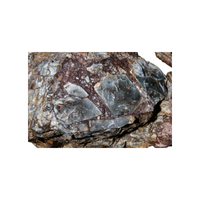
- Breccia
A sedimentary rock made of sharp, broken rock fragments. It is used mainly for decoration and building stone.
- Chalk
A soft, white limestone made from tiny marine fossils. It is used for writing, farming, and cement production.

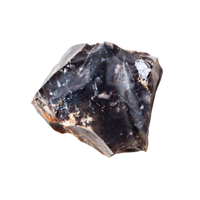
- Flint
A hard sedimentary rock made of silica. It produces sparks when struck and was used for tools and fire-starting.
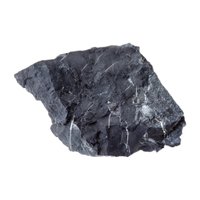
- Shale
A fine-grained sedimentary rock formed from clay. It breaks into thin layers and is used in brick and cement making.
Types of Rocks With Names in English and Pictures
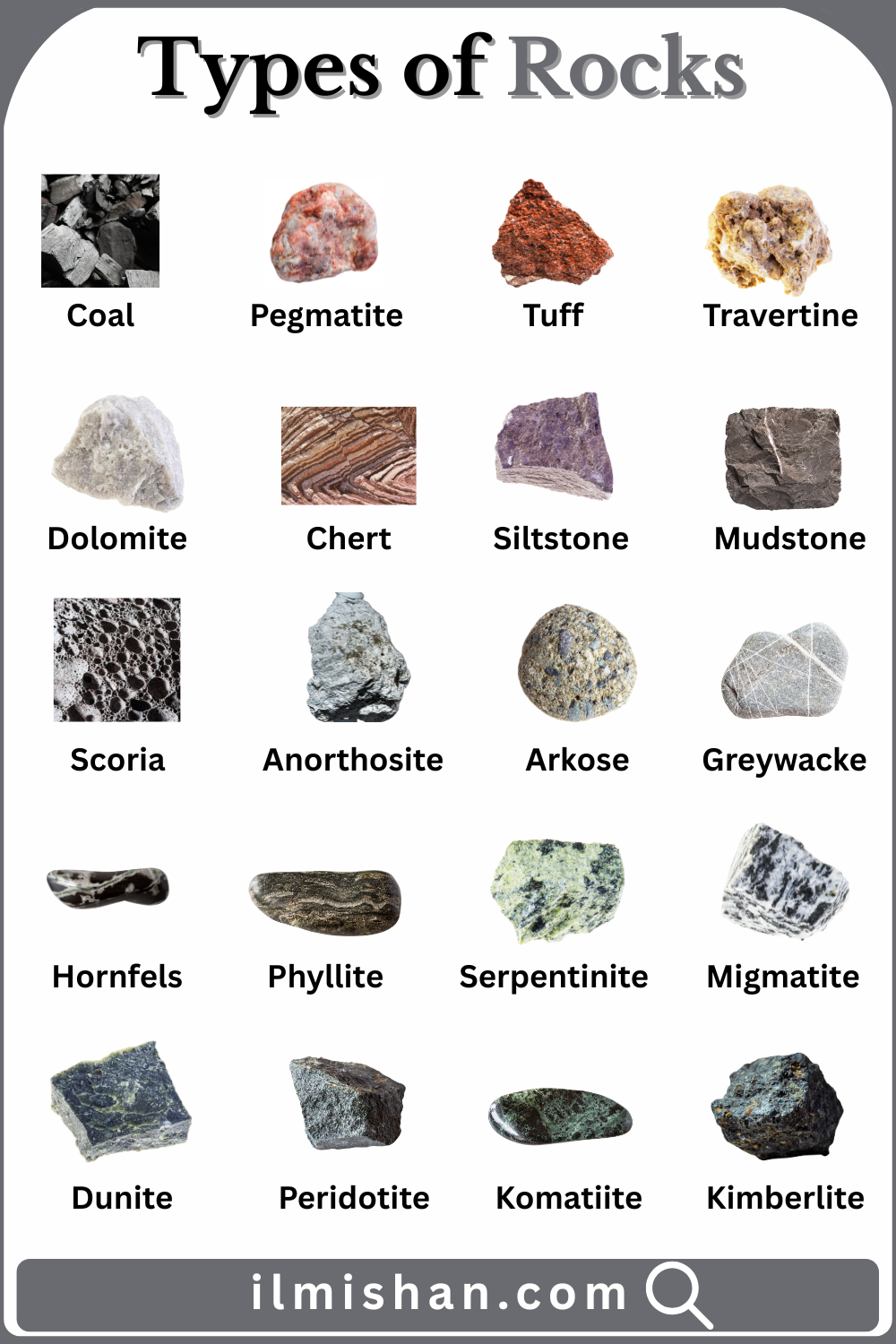
Common Rocks Names in English
- Coal
- Tuff
- Pegmatite
- Travertine
- Dolomite
- Chert
- Siltstone
- Mudstone
- Scoria
- Anorthosite
- Arkose
- Greywacke
- Hornfels
- Phyllite
- Serpentinite
- Migmatite
- Dunite
- Peridotite
- Komatiite
- Kimberlite
Different Types of Rocks Names in English and Their Images
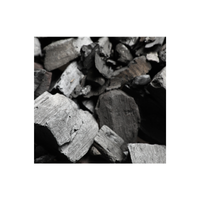
- Coal
A black sedimentary rock formed from ancient plant remains. It is mainly used as a fuel for electricity, heating, and industrial processes.
- Tuff
A volcanic rock made from ash and small fragments. It forms after volcanic eruptions and is used as a building stone.
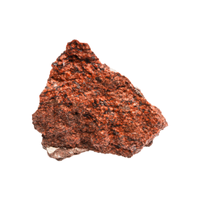
- Pegmatite
An igneous rock with very large crystals. It forms from slowly cooled magma and often contains valuable minerals.
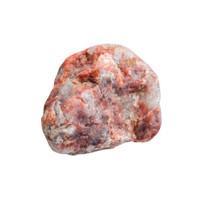
- Travertine
A sedimentary rock formed from mineral-rich water. It is commonly used for flooring, tiles, and decorative stone.
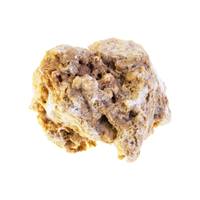
- Dolomite
A sedimentary rock made of calcium magnesium carbonate. It is used in construction, cement, and as a soil conditioner.
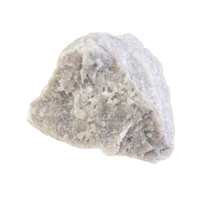
- Chert
A hard sedimentary rock made of silica. It has a smooth texture and was used for tools in ancient times.
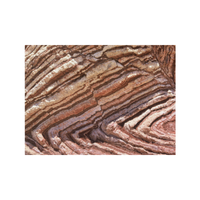
- Siltstone
A sedimentary rock formed from fine silt particles. It is smoother than sandstone and harder than shale.
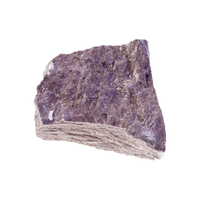
- Mudstone
A fine-grained sedimentary rock formed from mud. It is soft and breaks easily into smooth pieces.
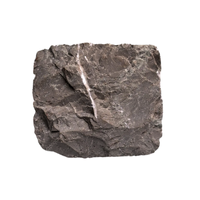
- Scoria
A dark volcanic rock with many air holes. It forms from lava and is used in landscaping and construction.
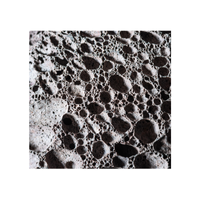
- Anorthosite
An igneous rock rich in feldspar. It is light-colored and found in large rock formations.
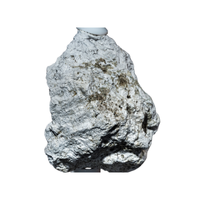
- Arkose
A coarse sandstone rich in feldspar. It forms from quickly deposited sediments near granite sources.
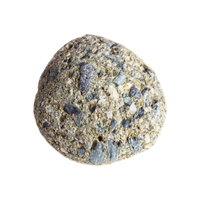
- Greywacke
A dark, hard sandstone with mixed minerals. It forms from underwater landslides and is used as building stone.
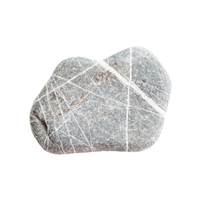
- Hornfels
A hard metamorphic rock formed by heat. It develops when rocks are changed by nearby molten magma.
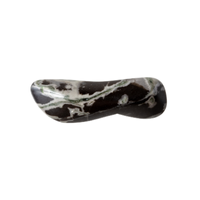
- Phyllite
A metamorphic rock with fine layers and shine. It forms from shale under heat and pressure.
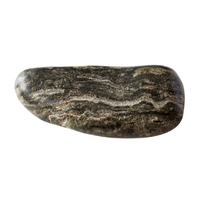
- Serpentinite
A metamorphic rock formed from altered mantle rocks. It is greenish and smooth in appearance.
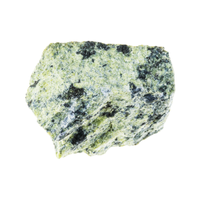
- Migmatite
A mixed rock showing both igneous and metamorphic features. It forms under extreme heat and pressure.
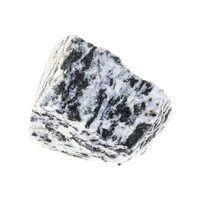
- Dunite
An igneous rock rich in olivine. It forms deep in the Earth’s mantle.
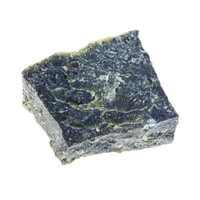
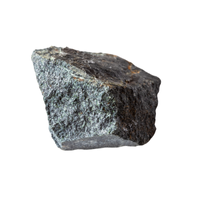
- Peridotite
A dense igneous rock from Earth’s mantle. It is rich in olivine and pyroxene minerals.
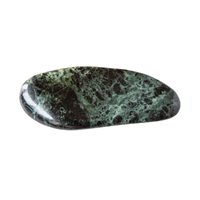
- Komatiite
An ancient volcanic rock formed from very hot lava. It is rare and found mainly in old geological areas.
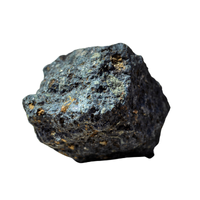
- Kimberlite
A volcanic rock formed deep underground. It is important because it sometimes carries diamonds to the surface.
Common Rocks Names in English
Explore Rock Name in English
- Laterite
- Bauxite
- Ironstone
- Claystone
- Tillite
- Lignite
- Marl
- Coquina
- Oolite
- Evaporite
- Lapilli
- Ignimbrite
- Porphyry
- Diabase
- Skarn
- Novaculite
- Cataclasite
- Mylonite
- Metaconglomerate
- Metasandstone
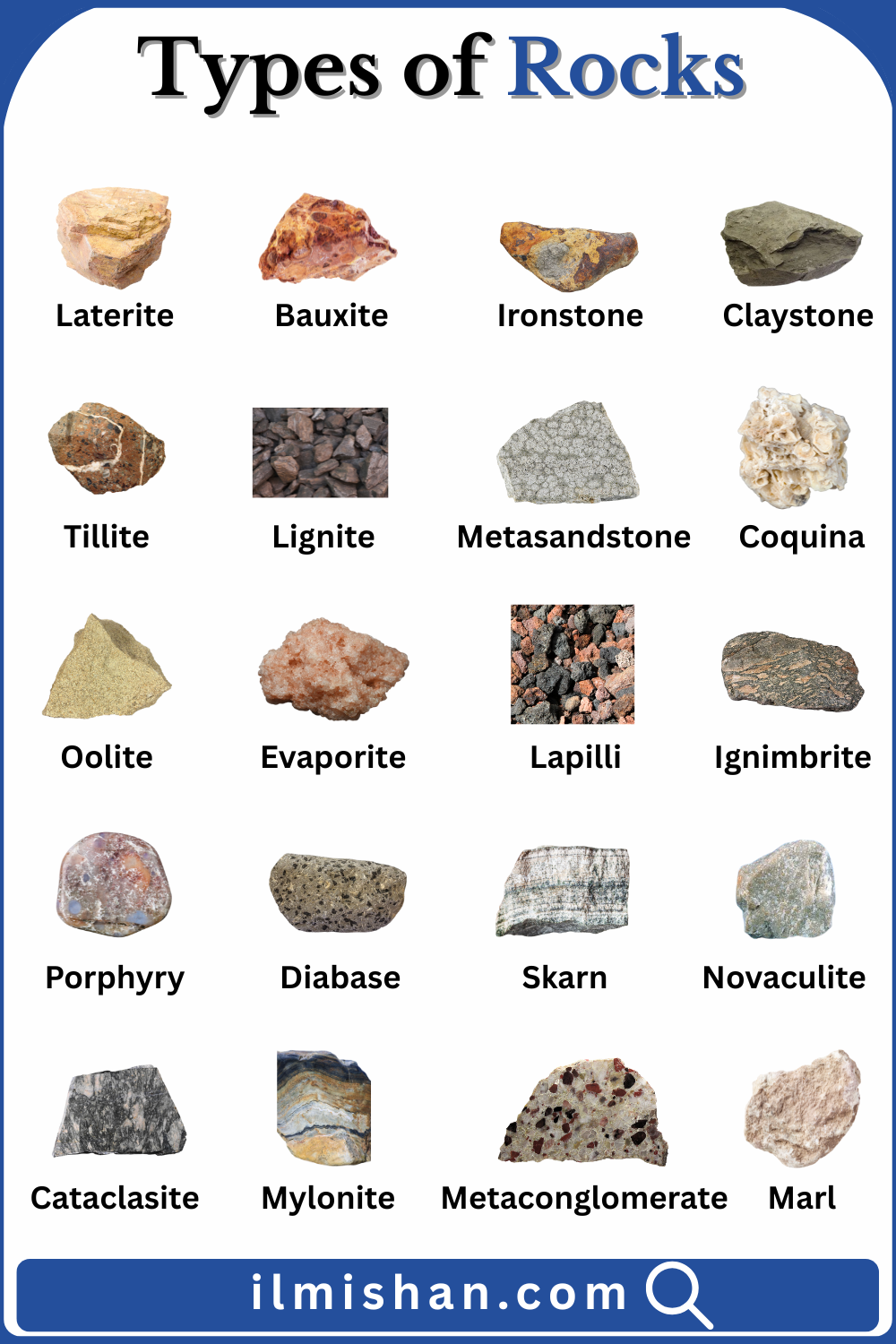
Learn Name of Rock in English With Their Pictures
- Laterite
A reddish soil-like rock formed in hot, wet climates. It is rich in iron and aluminum and used in construction and road building.

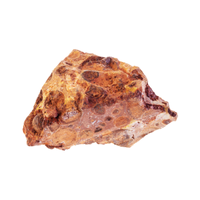
- Bauxite
A sedimentary rock rich in aluminum minerals. It is the main source of aluminum metal and forms through intense weathering.
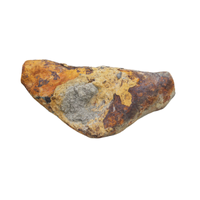
- Ironstone
A sedimentary rock containing high iron content. It is used as an iron ore and found in layered rock formations.
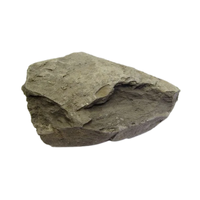
- Claystone
A fine-grained sedimentary rock made from clay particles. It is smooth, compact, and used in bricks and ceramics.
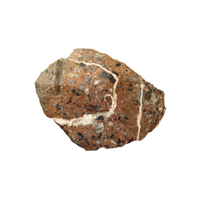
- Tillite
A sedimentary rock formed from glacial deposits. It contains mixed rock fragments left behind by ancient glaciers.
- Lignite
A soft, brown type of coal formed from compressed plant material. It is used as a low-grade fuel.
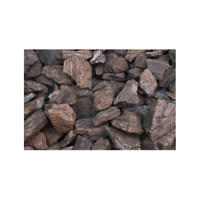
- Marl
A soft sedimentary rock made of clay and limestone. It is used in cement making and soil improvement.
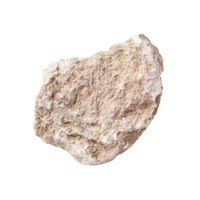
- Coquina
A limestone made from broken shell fragments. It forms in shallow marine environments and is used as building stone.
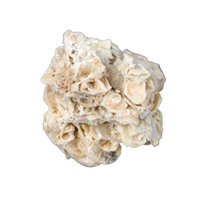
- Oolite
A limestone made of small rounded grains. It forms in warm, shallow seas and is used in construction.
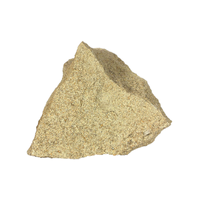
- Evaporite
A sedimentary rock formed when water evaporates. It includes minerals like salt and gypsum.
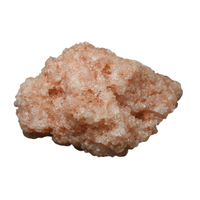
- Lapilli
Small volcanic rock fragments formed during eruptions. They are larger than ash and smaller than volcanic bombs.
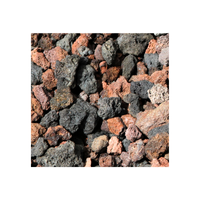
- Ignimbrite
A volcanic rock formed from hot ash flows. It is created during explosive volcanic eruptions.
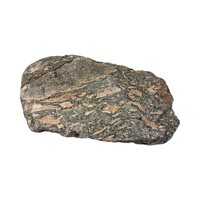
- Porphyry
An igneous rock with large crystals in fine groundmass. It forms from magma cooling at different speeds.
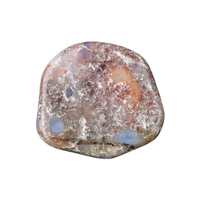
- Diabase
A dark igneous rock with medium grain size. It forms from magma cooling near the Earth’s surface.
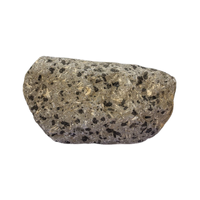
- Skarn
A metamorphic rock formed by chemical reactions between magma and limestone. It often contains valuable minerals.
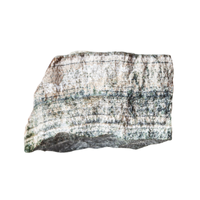
- Novaculite
A hard, fine-grained sedimentary rock made of silica. It is used for sharpening stones and tools.

- Cataclasite
A metamorphic rock formed by intense crushing during fault movement. It has broken and angular grains.
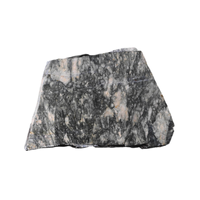
- Mylonite
A fine-grained metamorphic rock formed by extreme pressure along faults. It shows stretched mineral textures.
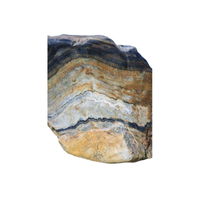
- Metaconglomerate
A metamorphic rock formed from conglomerate. Rounded pebbles become flattened under heat and pressure.
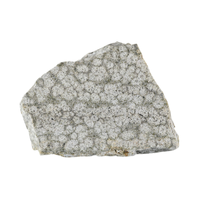
- Metasandstone
A metamorphic rock formed from sandstone. It becomes harder and more compact due to heat and pressure.
Learn Types of Rocks with Names in English With Their Pictures
Learn more helpful Articles