

List of Sushi with Names in English
- Nigiri
- Maki
- Hosomaki
- Futomaki
- Uramaki
- Temaki
- Chirashi
- Oshizushi
- Inari
- Gunkan
- Sashimi
- Narezushi
- Kazari Sushi
- Bozushi
- Battera
- Kakinoha Sushi
- Sasazushi
- Tekkamaki
- Kappamaki
- California Roll
Types of Sushi with Name in English and their Images
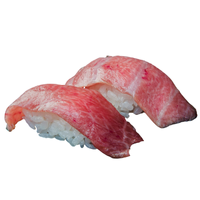
- Nigiri
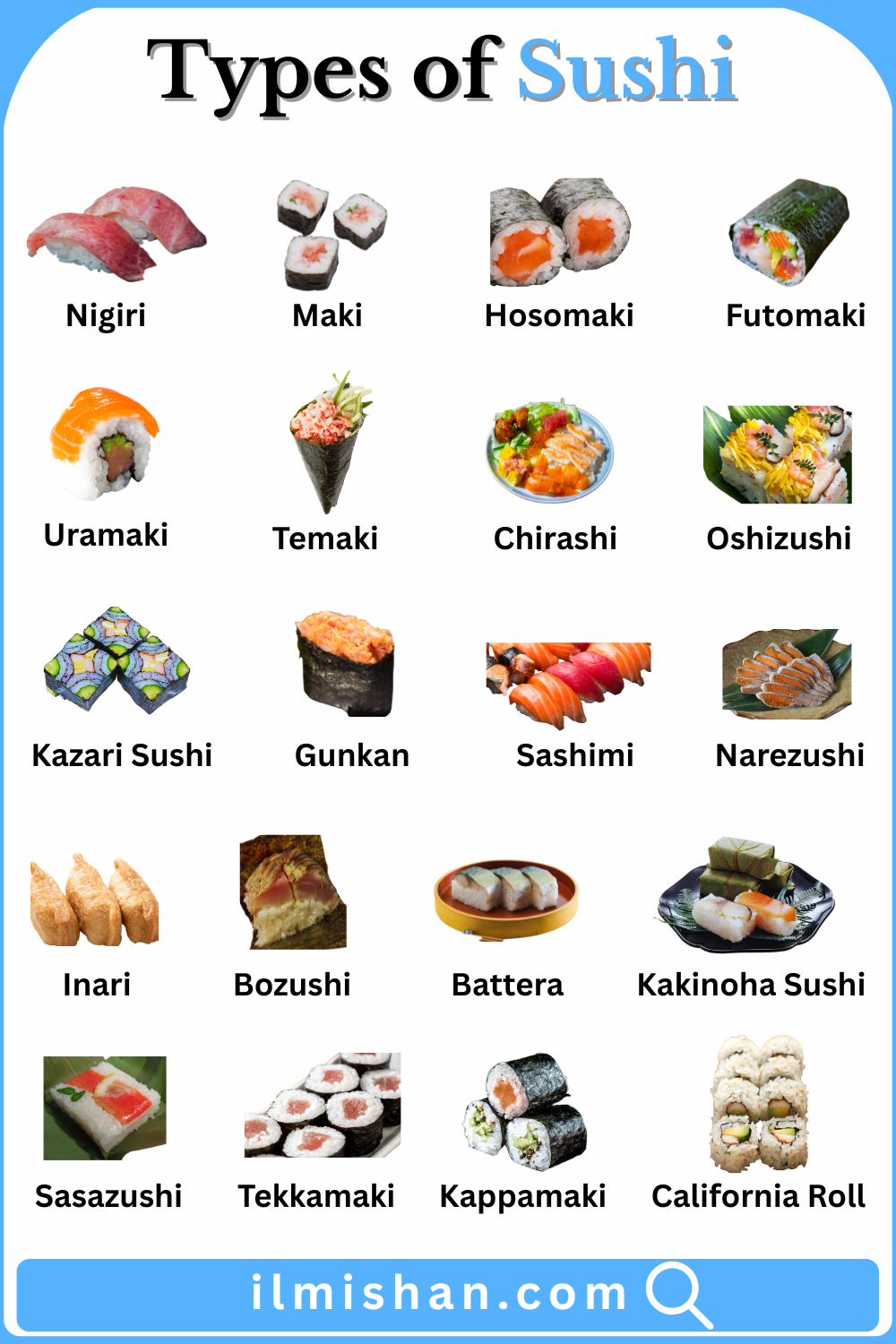
Hand-pressed sushi made with a small mound of vinegared rice topped with fresh fish or seafood, sometimes brushed with soy sauce or held together by a thin strip.
- Maki
Rolled sushi prepared by wrapping rice and fillings in seaweed, then slicing into bite-sized pieces, offering balanced flavors of rice, vegetables, and seafood.
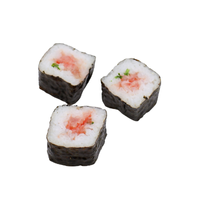
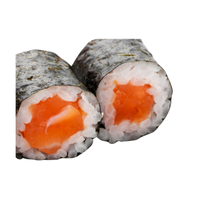
- Hosomaki
Thin sushi rolls containing rice, seaweed, and a single filling such as tuna or cucumber, known for simple taste and clean presentation.
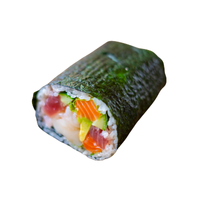
- Futomaki
Thick sushi rolls filled with multiple ingredients like vegetables, egg, and seafood, popular for their colorful appearance and rich combination of flavors.
- Uramaki
Inside-out sushi roll where rice covers the outside and seaweed wraps the filling, often coated with sesame seeds or fish roe.

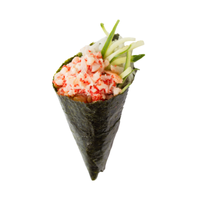
- Temaki
Hand-rolled sushi shaped like a cone, filled with rice, fish, and vegetables, designed to be eaten easily without slicing.
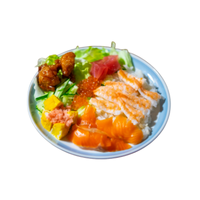
- Chirashi
A bowl of sushi rice topped with assorted raw fish and garnishes, offering a fresh, unrolled presentation with varied textures.
- Oshizushi
Pressed sushi formed using a wooden mold, layering rice and fish into compact blocks, then sliced neatly for serving.

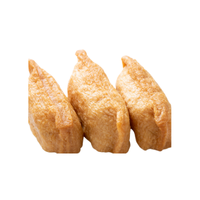
- Inari
Sushi made by filling sweetened tofu pouches with vinegared rice, known for its mild flavor and soft, slightly sweet taste.
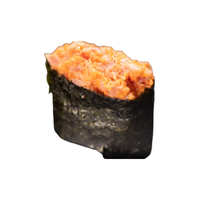
- Gunkan
Boat-shaped sushi where seaweed wraps rice to hold loose toppings like fish roe or chopped seafood securely on top.
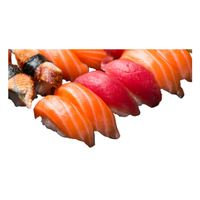
- Sashimi
Thinly sliced raw fish or seafood served without rice, valued for freshness, clean flavor, and precise knife work.
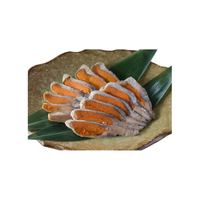
- Narezushi
Traditional fermented sushi made by storing fish with rice for long periods, producing a strong aroma and deep, sour flavor.
- Kazari Sushi
Decorative sushi crafted to resemble flowers, animals, or patterns, focusing on artistic presentation while remaining fully edible.
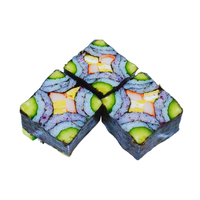
- Bozushi
Long, cylindrical sushi associated with regional styles, typically wrapped in fish and rice, then sliced into even portions.
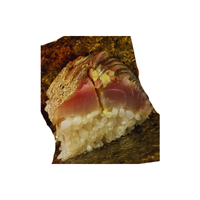
- Battera
A type of pressed sushi from Osaka, usually made with marinated mackerel layered over rice and shaped into rectangular pieces.
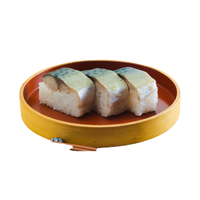
- Kakinoha Sushi
Sushi wrapped in persimmon leaves, which preserve flavor and add aroma, traditionally prepared with fish and compact rice.
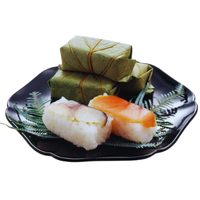
- Sasazushi
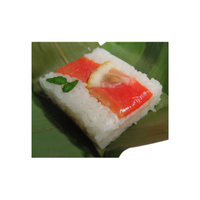
Regional sushi served on bamboo leaves, topped with fish, vegetables, or egg, often enjoyed during festivals or special occasions.
- Tekkamaki
Thin sushi roll filled with raw tuna, combining vinegared rice and seaweed to highlight the clean taste of the fish.

- Kappamaki
Simple sushi roll made with cucumber, rice, and seaweed, appreciated for its light, refreshing flavor and crisp texture.

- California Roll
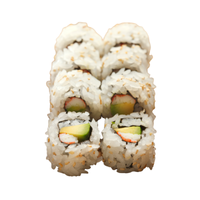
Modern sushi roll featuring crab, avocado, and cucumber, usually inside-out, created to suit international tastes and widely popular worldwide.
Types of Sushi with Names and Pictures
20 Types of Sushi in English
- Dragon Roll
- Rainbow Roll
- Spider Roll
- Volcano Roll
- Philadelphia Roll
- Alaska Roll
- Boston Roll
- Crunchy Roll
- Dynamite Roll
- Tiger Roll
- Rock and Roll
- Tempura Roll
- Hand Roll
- Inside-Out Roll
- Pressed Sushi
- Rolled Sushi
- Box Sushi
- Vinegared Rice Sushi
- Bamboo Sushi
- Leaf-Wrapped Sushi
Different Types of Sushi Names in English and Pictures
- Dragon Roll
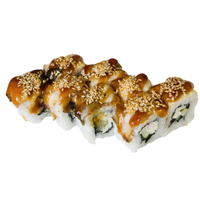
Inside-out sushi roll topped with avocado slices resembling scales, filled with eel and cucumber, lightly sweet sauce added, popular for rich flavor and dramatic presentation in modern sushi restaurants worldwide.
- Rainbow Roll
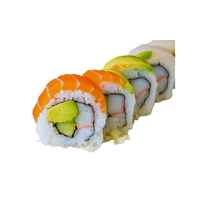
Inside-out sushi roll layered with assorted raw fish on top of a California roll base, offering colorful appearance, varied textures, and balanced flavors, popular in many sushi bars worldwide today.
- Spider Roll
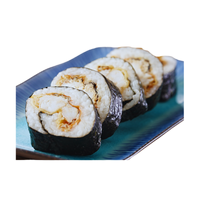
Sushi roll made with crispy fried soft-shell crab, cucumber, and avocado, often inside-out, delivering crunchy texture and rich seafood taste, enjoyed as a hearty specialty roll in Japanese-American cuisine restaurants.
- Volcano Roll
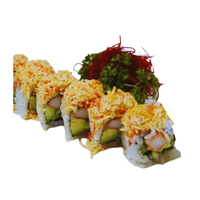
Sushi roll topped with chopped seafood mixed in spicy sauce, warmed slightly, creating a mound resembling a volcano with bold flavor, often served hot, visually dramatic, and filling dish option.
- Philadelphia Roll
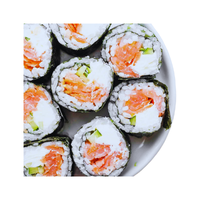
Sushi roll filled with raw or smoked salmon, cream cheese, and cucumber, blending Japanese technique with creamy texture inspired by Western tastes and widely popular in American sushi restaurants today.
- Alaska Roll
Sushi roll featuring salmon, avocado, and cucumber, often inside-out, highlighting fresh fish flavor and smooth texture in a simple, modern style, commonly served chilled in casual sushi dining settings worldwide.
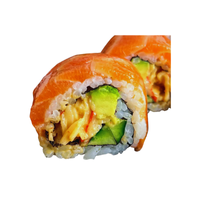
- Boston Roll
Sushi roll made with cooked shrimp, cucumber, and lettuce, offering mild seafood flavor and crunchy texture, popular with beginners seeking lighter non-raw sushi options in restaurants across the United States.
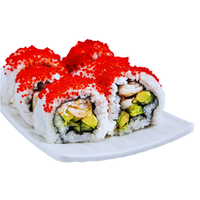
- Crunchy Roll
Sushi roll topped or filled with crispy bits, tempura flakes, or fried coating, providing strong crunch alongside soft rice and fillings for added texture contrast and satisfying bite experience overall.
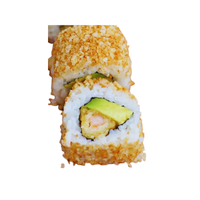
- Dynamite Roll
Sushi roll containing tempura shrimp or seafood with spicy sauce, delivering explosive flavor, heat, and crunch in each bite, popular among fans of bold, spicy sushi rolls in modern restaurants.
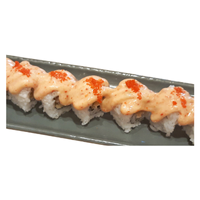
- Tiger Roll
Sushi roll layered with shrimp or eel and avocado, arranged in striped patterns, offering mild sweetness, creamy texture, and attractive presentation, often featured on specialty sushi menus worldwide today prominently.
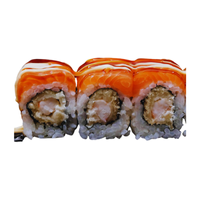
- Rock and Roll
Sushi roll combining eel, avocado, and cucumber, sometimes topped with sauce, known for rich taste and smooth, satisfying mouthfeel, enjoyed as a filling classic roll in many sushi restaurants worldwide.

- Tempura Roll
Sushi roll filled with battered and deep-fried seafood or vegetables, balancing crispy exterior with soft rice and savory fillings, creating warm, comforting texture popular in fusion sushi cuisine globally today.

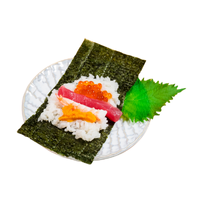
- Hand Roll
Cone-shaped sushi wrapped in seaweed, filled with rice, fish, and vegetables, designed to be eaten by hand immediately for freshness, crispness, and casual dining experience in sushi bars and homes.
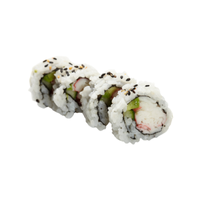
- Inside-Out Roll
Sushi roll with rice on the outside and seaweed inside, often coated with sesame seeds or roe, common in Western-style sushi restaurants and fusion menus worldwide today, especially popular formats.
- Pressed Sushi
Sushi made by pressing rice and fish together using molds, creating compact layers, then sliced into neat portions, commonly found in regional Japanese cuisines with traditional preparation methods and presentation.

- Rolled Sushi
Sushi prepared by rolling rice and fillings in seaweed using a bamboo mat, then cutting into uniform pieces, served widely as maki-style sushi in restaurants worldwide for everyday dining occasions.

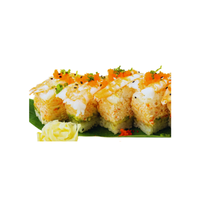
- Box Sushi
Pressed sushi shaped in rectangular boxes, layering fish and rice tightly, producing firm structure and clean slices for serving, associated with Osaka culinary traditions and formal presentation styles in Japan.
- Vinegared Rice Sushi
Sushi based on rice seasoned with vinegar, sugar, and salt, forming the foundation for most sushi styles and toppings across Japanese cuisine, ensuring balance, freshness, and proper texture in dishes.
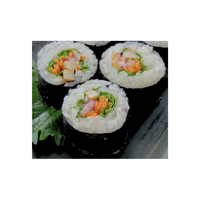
- Bamboo Sushi
Sushi prepared or served using bamboo leaves or mats, adding subtle aroma and traditional presentation while supporting rolling and shaping methods used in classic sushi preparation and regional styles historically.
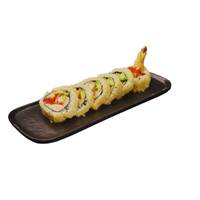
- Leaf-Wrapped Sushi
Sushi wrapped in natural leaves, such as bamboo or persimmon, helping preserve freshness, add aroma, and enhance traditional appearance in regional Japanese dishes, often prepared for travel, storage, and festivals.
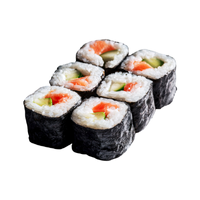

Different Types of Sushi with Names in English and Pictures
List of Sushi in English
- Edomae Sushi
- Hakozushi
- Ichiya-zushi
- Masuzushi
- Sugata-zushi
- Heshiko Sushi
- Kabura-zushi
- Masu-zushi
- Nigiri sushi
- Saba-zushi
- Sanma-zushi
- Ayu-zushi
- Funa-zushi
- Tobiko roll
- Sasa-zushi
- Kizushi
- Anago-zushi
- Tekone-zushi
- Bread sushi
- Kansai Sushi
Sushi Names in English and their Types with Pictures
- Edomae Sushi
Traditional Tokyo-style sushi using fresh seafood treated with vinegar, soy sauce, or curing methods, served mainly as nigiri to enhance flavor, preserve quality, and reflect classic Japanese culinary practices.

- Hakozushi
Pressed sushi made in a wooden box mold, layering vinegared rice and fish tightly, then sliced into neat pieces, commonly associated with Osaka regional cuisine and formal presentation styles.
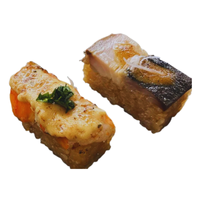
- Ichiya-zushi
Sushi prepared using fish lightly cured overnight with salt or vinegar, improving flavor and shelf life while maintaining freshness, traditionally made before refrigeration became widely available in Japan.
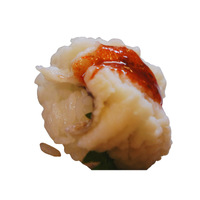
- Masuzushi
Regional pressed sushi made with trout layered over rice, wrapped in bamboo leaves, popular in Toyama, valued for aroma, preservation, and clean, slightly tangy taste.
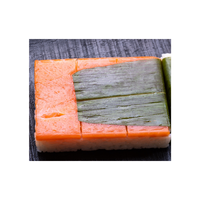
- Sugata-zushi
Whole-fish sushi where fish is cleaned, stuffed with rice, and shaped to resemble its natural form, emphasizing visual appeal and traditional craftsmanship in regional Japanese celebrations.
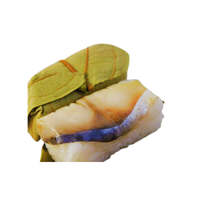
- Heshiko Sushi
Fermented sushi using mackerel aged with salt and rice bran, producing strong aroma and deep umami flavor, traditionally prepared in coastal regions as a preserved food.
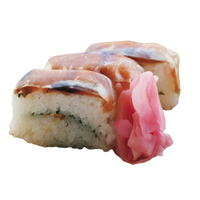
- Kabura-zushi
Winter sushi made by fermenting yellowtail between slices of turnip and rice, creating a mild, slightly sweet flavor, commonly enjoyed during cold seasons in northern Japan.
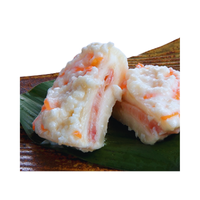
- Masu-zushi
Pressed trout sushi wrapped in bamboo leaves, featuring vinegared rice and lightly cured fish, known for portability, fragrance, and balanced taste, especially popular in Toyama prefecture.
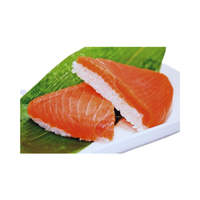
- Nigiri Sushi
Hand-formed sushi consisting of vinegared rice topped with sliced fish or seafood, sometimes brushed with sauce, focusing on balance, freshness, and skilled hand shaping.
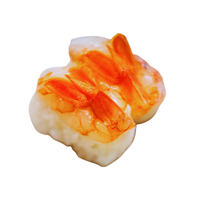
- Saba-zushi
Pressed or rolled sushi made with vinegared mackerel, valued for its rich flavor and preservation qualities, commonly found in Kansai cuisine and traditional Japanese food culture.
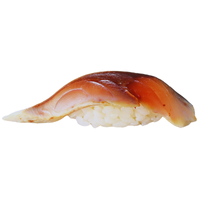
- Sanma-zushi
Sushi prepared with Pacific saury, often lightly cured with vinegar, offering bold flavor and seasonal appeal, traditionally eaten during autumn when the fish is freshest.
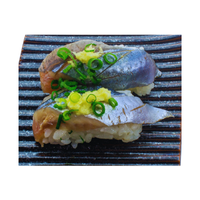
- Ayu-zushi
Traditional sushi using sweetfish, often lightly fermented or cured, reflecting river-based food culture, valued for delicate aroma and regional preparation methods in historic Japanese cuisine.
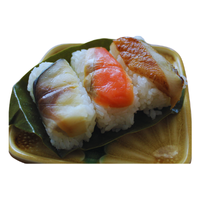
- Funa-zushi
One of the oldest fermented sushi types, made from crucian carp and rice, aged for months or years, producing strong smell and intense sour flavor unique to Lake Biwa.
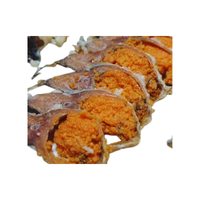
- Tobiko Roll
Modern sushi roll topped or filled with flying fish roe, adding bright color, mild saltiness, and crunchy texture, commonly featured in contemporary sushi menus worldwide.

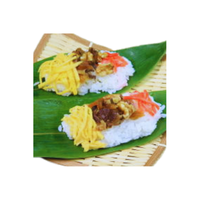
- Sasa-zushi
Regional sushi served on bamboo leaves, topped with fish, vegetables, or egg over rice, offering mild aroma, simple preparation, and festive presentation in mountainous Japanese regions.
- Kizushi
Lightly vinegared raw fish used as sushi topping, enhancing freshness and flavor while reducing fishiness, commonly applied to mackerel and other oily fish in traditional sushi.

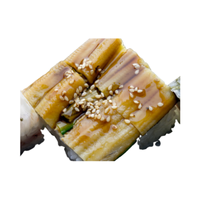
- Anago-zushi
Sushi made with cooked saltwater eel, known for soft texture and mild sweetness, often brushed with sauce, served as nigiri or pressed sushi in classic Japanese cuisine.
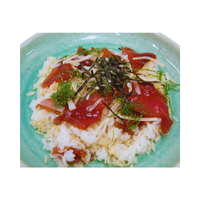
- Tekone-zushi
Local Mie prefecture sushi made by mixing vinegared rice with marinated tuna, creating a simple bowl-style dish originally eaten by fishermen for convenience and nourishment.
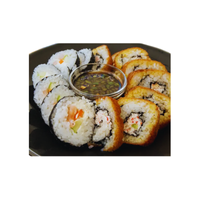
- Bread Sushi
Fusion-style sushi using bread instead of rice, combined with sushi fillings, created for novelty and modern tastes, not traditional but popular in experimental or casual dining settings.
- Kansai Sushi
Regional sushi styles from western Japan, often pressed or fermented, emphasizing preservation, mild seasoning, and structured shapes, differing from fresh nigiri-focused Edo-style sushi traditions.


Common Types of Sushi with Names with Pictures
Learn more helpful Articles